
.jpg)
Knowing the differences between commercial vs theatrical headshots will help determine how casting directors view you as soon as they look at your headshot.
Casting Directors make decisions quickly. Sometimes very quickly, in fact, when looking at your headshot. A headshot is much more than just a photo. It indicates which type of role you are most likely to be able to fill, and which stories you can tell through acting.
Let’s break this down into the two main types of headshots actors use: commercial and theatrical.
What Is a Commercial Headshot?

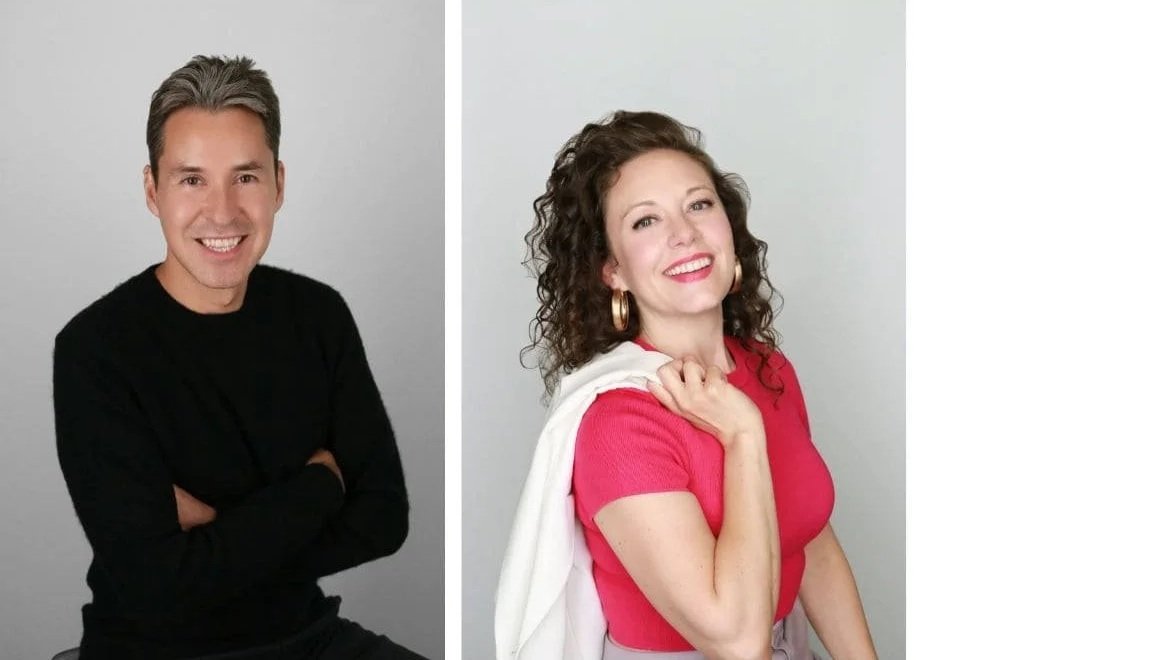
A commercial headshot is all about warmth. You want to look like someone people trust right away. Someone who could be their neighbor, coworker, best friend, or the parent in a back-to-school ad.
These headshots are commonly used for TV commercials, lifestyle ads, brand campaigns, spokesperson roles, and even social media marketing. When you look at strong commercial headshot examples, you’ll notice they immediately feel warm, natural, and relatable.
What Casting Directors Are Looking For
Commercial casting is not about showing emotional depth or dramatic range. It is about connection. Can you sell a product without looking like you are selling it? Can you make an audience feel comfortable in seconds?
Brands want someone who feels natural and relatable. Think friendly barista. Supportive teacher. Tech startup founder. The energy should feel open and easy.
What a Commercial Headshot Usually Includes
You will often see:
A real smile or a soft, inviting expression
Bright, even lighting
Simple or lightly blurred backgrounds
Clean wardrobe with a subtle pop of color
Nothing should feel heavy or intense. The focus is on approachability.
Why Lighting Makes a Big Difference
Lighting is what sets you apart. Commercial head shots are made using light that is very even and has no shadows at all. Evenly lit faces are more inviting than those with deep shadows.
Studio Pod's lighting equipment is also set up to produce photos that have no shadows and are smooth in texture. It is great for producing commercial headshot images as it creates a professional image of an individual without being too serious or somber.
What to Wear for a Commercial Headshot
When dressing for a commercial headshot, your clothing should represent who you are, but not compete with your image.
Colors that work well are jewel tones such as blue, green, soft mid-tone colors, and simple silhouettes. Layering should be kept to a minimum, and lines cleaned up.
Avoid busy patterns, visible logos, and trendy items that will quickly make the photo outdated.
The casting for commercials is about creating an appealing product to the general audience. The goal is to let your personality show through while eliminating anything distracting from your personality.
What Is a Theatrical Headshot?
A theatrical headshot is used when you are going out for film, television, streaming series, or theatre roles. This is where casting directors are looking for depth. They want to see who you are beneath the surface.
What a Theatrical Headshot Should Communicate
The goal is to hint at emotional range and character type. Are you the thoughtful lead? The sharp detective? The complicated best friend?
The energy is more grounded. More focused. There is often a quiet intensity.
That does not mean you can never smile. And it definitely does not mean you should look angry or overly dramatic. Modern theatrical headshots feel subtle. The expression usually looks internal, like you are thinking, not performing.
Lighting Creates Mood
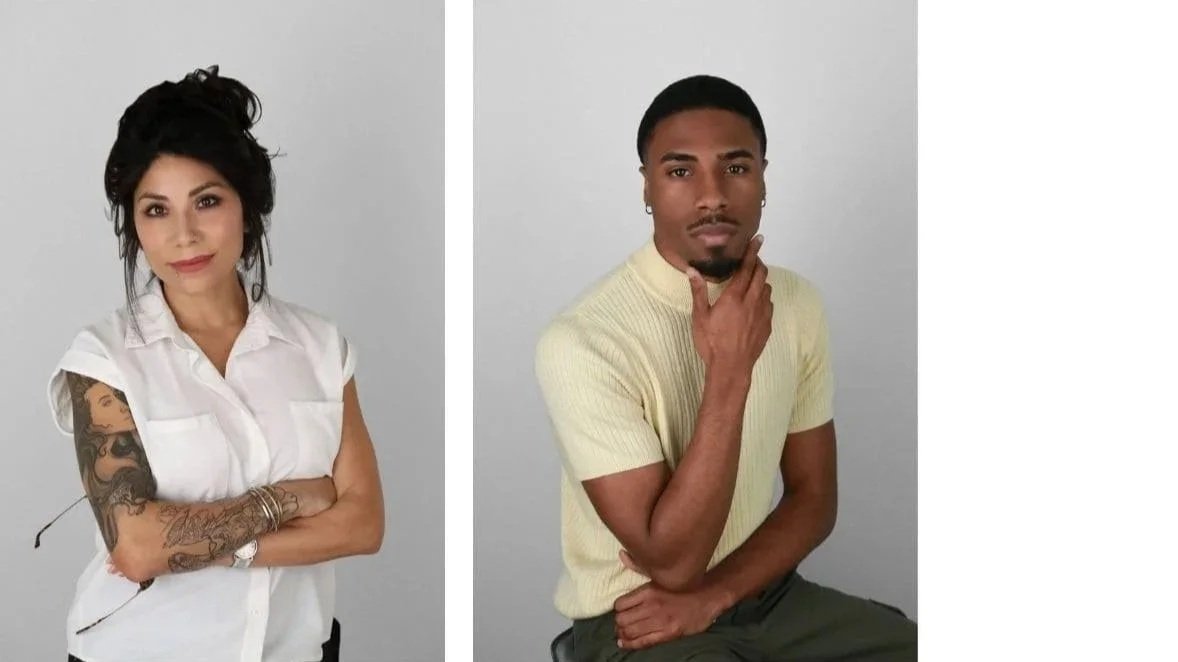
Lighting is an even larger factor in theatrical headshots. Theatrical head shots are typically taken with "sculpted" lighting (more dramatic shadows) and a little higher contrast than other types of photography. If you study strong theater headshot examples, you’ll notice how lighting adds dimension without overpowering the actor’s expression.
Sculpted lighting creates dimension in your facial structure and allows the casting director to see how you would look on camera.
Lighting adds dimension to your facial features. Lighting adds depth to your facial features. Lighting can create a mood without creating too much drama.
What to Wear for a Theatrical Headshot
The wardrobe choice also supports this grounded feel.
Earth tones (olive, navy blue, charcoal gray, rust) are great wardrobe choices because they have a strong presence but do not draw away from your eyes. Adding texture through soft knit tops, etc., can add visual interest to your wardrobe without drawing away from your eyes.
Do not wear neon colored clothing. Do not wear anything with flashiness or bling. Also, try to avoid very elaborate or highly styled clothing. The focus should always be on your eyes and what your eyes tell the casting director.
Commercial vs Theatrical Headshots
Below is a clear breakdown of how the two actor headshot examples differ and why those differences matter when you are submitting to casting.
| Feature | Commercial Headshot | Theatrical Headshot |
|---|---|---|
| Expression | Warm, open, friendly. Often includes a genuine smile or soft eye contact that feels approachable | Grounded, layered, nuanced. Expression feels thoughtful or internal, as if you are in the middle of a moment |
| Energy | Light, positive, easy to connect with. Feels accessible to a wide audience | Focused, contained, emotionally present. Feels specific rather than broad |
| Lighting | Bright, even lighting that minimizes shadows and keeps the face clear and open | More sculpted lighting with subtle shadow and contrast to add depth and mood |
| Wardrobe | Clean lines, mid-tones, jewel tones. Simple pieces that suggest everyday relatability | Muted or earthy tones. Texture and subtle layering to hint at character without distraction |
| Background | Light or softly blurred backgrounds that feel neutral and fresh | Slightly darker or moodier tones that support depth without overpowering the face |
| Casting Use | Ads, lifestyle campaigns, brand partnerships, spokesperson roles, and social media marketing | Film, television, streaming series, theater productions, and dramatic storytelling roles |
| Emotional Tone | Relatable and trustworthy. Designed for quick audience connection | Character-driven and specific. Designed to suggest range and story potential |
| What It Signals | “I fit into everyday life and represent brands naturally” | “I can carry emotional weight and bring complexity to a role” |
One thing to remember. The lines are not strict. Trends shift. Styles evolve.
But the intention behind each look stays consistent. A commercial headshot aims for broad appeal and instant trust. A theatrical headshot aims for depth and story. When you understand that difference, you can choose your images with purpose instead of guesswork.
Do You Need Both Commercial and Theatrical Headshots?
Do you really need two? Probably.
When looking for both commercials and acting roles, you will want a commercial headshot and a headshot that looks like the type of role you’re trying to get.
Casting Directors want to see you in the image of what they are hiring for. A happy, smiling commercial photo may not look great for a drama; a dark, brooding photo may not work for a product commercial. Having both, you show your range and ability to adjust to different types of casting calls. Additionally, having both will allow your agent to know you understand where your target audience is, and you will be able to take advantage of more opportunities.
However, if you're mostly doing dramatic acting or fit into a very small niche (like playing vampires), you may want to focus more on the theatrical side first. Create a headshot that reflects the majority of the types of auditions you are going to, and create additional headshots as you grow as an actor.
Common Mistakes Actors Make
Even though we've been taking pro photos for years now, we see some of the same mistakes over and over again.
1. Use the same headshot for all auditions
Just because a commercial and theatrical submission sends a different signal doesn't mean you can use one headshot for both. Rarely does a single headshot capture the essence of both styles. When your image doesn't match the type of role, the casting director will notice immediately.
2. Over retouching
Polish is okay. Plastic isn't. If you don't look like yourself in person, it's going to cause problems when you're auditioning.
3. Confusing "Serious" with "Blank"
Dramatic doesn't mean emotionless. Your face can be calm, but your eyes should still be engaged and alive.
4. Trendy Wardrobe Choices
Trendy items are trendy, and they go out of style fast. You'll find simple and classic clothing options that keep your headshot current for longer.
5. Poor Lighting
Lighting impacts how you appear. Harsh shadows can make you look serious/intense. A flat, overhead light source can flatten you out. Great lighting enhances your features without drawing attention away from them.
Should You Smile in a Theatrical Headshot?
It depends on the type of roles you are auditioning for.
A soft, knowing smile works well for some. Think: charming lawyer, witty best friend, confident lead. The smile doesn't have to be huge. It can be small, controlled, and intentional.
The real question isn't: Should I smile?
It is: What am I selling?
If you are looking to book commercial work, the focus is on connection. Warmth matters.
If you are looking for theatrical roles, the focus is on who you are portraying. The expression you wear should reflect depth, story, or complexity, whether you are smiling or not.
Final Thoughts
Your headshot is usually your first audition. It speaks for you before you do.
Commercial and theatrical images serve different functions. One establishes immediate trust. The other suggests story and/or complexity. Once you understand this difference, you stop guessing and begin positioning yourself intentionally.
The goal is not to look good. It is to look castable.
Good lighting, focused expression, a wardrobe that represents your type, and a clear headshot that is consistent with the roles you are actively pursuing will attract more opportunities sooner.
If you’re unsure which direction fits you best, a guided session at Studio Pod makes it easy to create both styles in one streamlined shoot.
Book your Studio Pod session and create headshots that match where you’re headed.


