
.jpg)
Professional headshots have changed. The stiff, dated corporate look doesn't cut it anymore. People want photos that show personality while staying professional. But "edgy" means different things depending on your industry, and getting it wrong costs you opportunities.
Edgy modern professional headshots balance standing out with looking credible. You need photos that make people remember you without questioning your professionalism. This guide explains when edgy works, which industries accept it, and how to get modern headshots that actually help your career.
What Makes Professional Headshots Edgy and Modern
Understanding what "edgy" means in professional photography helps you avoid crossing into unprofessional territory.
What Is Considered Edgy in Professional Photography?
Edgy doesn't mean shocking or inappropriate. In professional contexts, edgy means updated, contemporary, and showing personality within business norms. Think modern rather than rebellious.
Subtle edge comes from clean lines, updated clothing, natural expressions, and contemporary composition. Your photo looks current instead of dated. This level works for most industries.
Bold edge adds dramatic lighting, unconventional angles, creative styling, or interesting backgrounds. This approach fits creative fields but alienates conservative industries.
The spectrum runs from traditional corporate to subtle modern to contemporary professional to bold creative. Most professionals benefit from landing somewhere in the middle, leaning modern without pushing into territory that damages credibility.
Why Professionals Want Edgy Headshots Now
Remote work changed how people meet. Your headshot introduces you before video calls, interviews, or client meetings. A dated photo suggests you haven't updated your skills either.
Job markets stay competitive. Hiring managers review hundreds of applications. Generic headshots blend together. Modern photos that show confidence and personality make people pause and actually read your resume.
Personal branding matters more than ever. Freelancers, consultants, and entrepreneurs compete based on how they present themselves digitally. Your headshot appears everywhere: LinkedIn, websites, email signatures, conference materials. Outdated photos undermine your professional image.
Industries shifted toward authenticity. People buy from and hire humans, not corporate robots. Professional photos that show some personality build trust faster than stiff traditional shots. The key is showing personality without losing professional credibility.
Getting Modern Professional Headshots Without A Photographer
Several options exist for getting professional headshots. Each has trade-offs in cost, time, quality, and creative control.
Studio Pod for Clean Modern Aesthetics
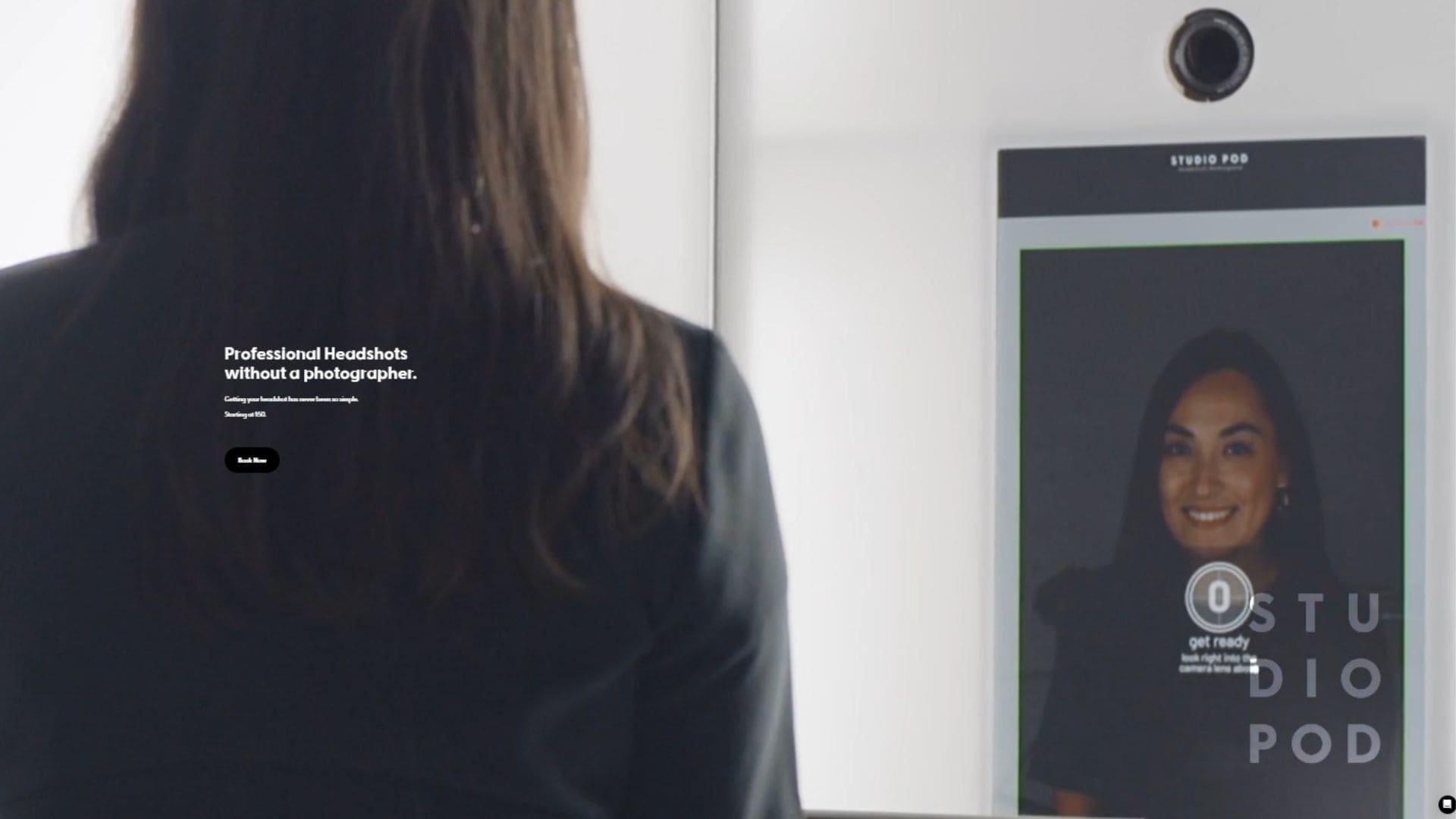
Studio Pod delivers professional headshots through automated photography. Walk into any location, follow on-screen guidance, and leave 15 minutes later with finished photos. The system handles lighting, composition, and framing automatically.
This approach gives you modern, clean professional photos without scheduling photographers weeks out. The automated system uses contemporary lighting and composition that looks current. Photos feel natural and approachable rather than stiff or dated.
The consistency helps corporate teams. Everyone gets photographed with the same lighting and backgrounds, creating unified visual identity across company materials. No worrying about different photographers using different styles.
Studio Pod works well when you need professional quality fast, want predictable results, or prefer avoiding the awkwardness of posing for photographers. The modern aesthetic built into the system keeps photos looking current without requiring photography knowledge.
Book sessions at Studio Pod locations in Houston, Austin, Dallas, San Antonio, Fort Worth, Aliso Viejo, or Chicago when you need professional headshots that look contemporary without complications.
When to Hire Traditional Photographers
Traditional photography sessions make sense for specific situations. You want creative input, multiple distinct looks, or photos with particular artistic vision. Photographers bring expertise in posing, lighting, and capturing the exact mood you want.
Sessions typically last 30 minutes to 2 however with planning beforehand. Photographers scout locations, plan lighting setups, and direct you through poses. You review proofs later and select favorites for editing.
Costs run $200-500 for basic sessions, up to $1,000+ for experienced photographers in major cities. The investment pays off when you need portfolio variety, specific creative direction, or extensive choice in final images.
Creative professionals building comprehensive portfolios benefit most from traditional photography. Actors, models, artists, and anyone needing varied looks across multiple settings get value from photographer expertise and time.
Why AI Headshots Often Miss the Mark
AI headshot generators promise cheap, fast results. Upload selfies, pay $30-50, and receive AI-generated professional photos in hours. The appeal is obvious: no photographer, no scheduling, minimal cost.
The quality remains inconsistent. AI sometimes creates uncanny valley effects where faces look almost right but slightly off. Eyes might not focus correctly. Skin textures sometimes appear too smooth or weirdly artificial. Lighting occasionally defies physics.
Professional credibility suffers when people notice your headshot is AI-generated. The technology keeps improving, but current results often look recognizably artificial to trained eyes. Using obviously fake photos raises questions about your attention to quality and authenticity.
AI works for casual social media or testing different looks privately. For professional use where credibility matters, real photography delivers better results.
Edgy Modern Headshots by Industry
Industries have different standards for what counts as appropriately professional. Understanding your field prevents costly mistakes.
Tech and Startup Professionals
Tech industries embrace modern professional aesthetics. The dress code relaxed years ago, and headshots followed. Traditional suits look out of place at most tech companies.
A blazer over a casual shirt works well. This combination reads professional without feeling corporate. Dark jeans with a nice top photograph fine for many tech roles. Save the full suit unless you're in executive positions at larger companies.
Natural lighting and authentic expressions fit tech culture. Stiff posed shots feel outdated. Photos showing confidence and approachability work better than trying to look authoritative or formal.
Backgrounds stay clean but allow personality. A modern office setting, simple outdoor background, or minimalist interior all work. Skip overly busy or distracting backgrounds that pull focus from your face.
Tech professionals benefit from photos that look current and approachable. You want people to think "I'd want to work with this person" rather than "this person takes themselves too seriously."
Creative Fields (Design, Marketing, Content)
Creative professionals have the most freedom with headshots. Your photo demonstrates visual sensibility and personal brand. Playing it too safe suggests lack of creativity.
Bolder styling works here. Interesting clothing choices, creative backgrounds, and distinctive looks all fit. You want photos that show personality and visual awareness without crossing into unprofessional territory.
Environmental portraits add context. A designer photographed in a studio space, a writer surrounded by books, or a marketer in an interesting urban setting all tell stories about who you are professionally.
Lighting choices carry more flexibility. Dramatic shadows, interesting natural light, or creative studio setups all work when executed well. The key is intentional choices that look skilled rather than accidental.
Color palettes become part of your brand. Some creative professionals stick with specific color schemes across all their materials. Your headshot fits into this broader visual identity.
Creative fields reward risk-taking with headshots more than other industries. Just make sure your risks look intentional and skilled rather than amateur or inappropriate.
Modern Corporate (Finance, Consulting, Sales)
Corporate industries still value professionalism but accept more personality than they used to. The key is subtle modernization rather than dramatic changes.
Updated traditional looks work best. Well-fitted suits in contemporary cuts photograph better than outdated styles. Modern colors and fabrics refresh the traditional corporate aesthetic without abandoning it.
Lighting stays flattering and professional but feels less rigid. Soft natural light or well-executed studio lighting both work. Skip dramatic shadows or creative effects that read as trying too hard.
Expressions show warmth and confidence. The old stern corporate look feels outdated. Slight smiles and approachable energy photograph better while maintaining professional credibility.
Backgrounds stay neutral but contemporary. Clean gray, soft blues, or simple office settings all work. Skip anything too creative or distracting. The focus stays on presenting yourself as competent and trustworthy.
Sales professionals lean slightly more casual than finance. Consultants fall somewhere between. Know your specific industry norms and stay within them while incorporating subtle contemporary touches.
When to Skip Edgy Headshots Entirely
Some fields still prefer traditional professional headshots. Trying to look edgy or modern damages your credibility in these industries.
Law and legal services maintain conservative standards. Clients want attorneys who look serious, trustworthy, and traditional. Classic professional headshots serve you better than anything trying to look contemporary or creative.
Healthcare and medicine prioritize competence and trust over personality. Doctors, nurses, and medical professionals benefit from straightforward professional photos. Patients want to feel confident in your abilities, not impressed by your creative headshot.
Government positions at local, state, and federal levels expect traditional professional presentation. These roles serve the public and maintain certain image standards. Standard professional headshots fit better than modern or edgy approaches.
Traditional finance (investment banking, wealth management) still skews conservative. While corporate finance opened up to modern aesthetics, certain finance sectors maintain strict professional standards.
Academic institutions vary but tend conservative. Professors, researchers, and academic administrators typically use traditional professional headshots. Creative academics in arts departments have slightly more flexibility.
When in doubt, research professionals at your target companies or in your specific role. Look at headshots on company websites and LinkedIn profiles. Match the prevailing style rather than trying to stand out dramatically.
Elements That Make Headshots Look Modern
Specific technical and stylistic choices determine whether headshots look current or dated.
Contemporary Lighting Techniques
Lighting creates the foundation for modern-looking photos. Dated lighting styles make even good photos look old.
Natural light feels contemporary when used well. Soft window light creates flattering, approachable photos without heavy shadows or harsh highlights. This style works across industries and always looks current.
Studio lighting can look modern or dated depending on execution. Soft, even lighting that flatters your features reads as contemporary. Harsh lighting with strong shadows or overly dramatic setups looks dated unless you're specifically going for that effect.
Avoid the old corporate style with harsh overhead lights creating shadows under eyes and nose. This lighting plagued office headshots for decades and immediately dates photos.
Ring lights create flat, even illumination that photographs well. They became popular because they're easy to use and consistently flattering. The look reads as modern and clean.
The goal is lighting that flatters you without calling attention to itself. People should notice you, not the lighting choices.
Modern Clothing Choices for Professional Photos
What you wear determines whether photos look current or dated. Fashion changes slowly in professional contexts but changes nonetheless.
Fitted clothing photographs better than baggy styles. Well-tailored pieces show you care about professional presentation. Ill-fitting clothes suggest you didn't prepare properly or your style is outdated.
Contemporary cuts and styles matter more than you think. A suit from 20 years ago reads as dated even if it's in good condition. Lapel widths, jacket lengths, and overall silhouettes all change slowly over time.
Solid colors work better than patterns for most headshots. Patterns distract from your face and sometimes create weird effects in photos. Navy, black, gray, and white all photograph well and stay timeless.
Colors should complement your skin tone and hair color without overwhelming the frame. Rich jewel tones add personality while staying professional. Extremely bright colors or neon shades rarely photograph well.
Avoid visible logos, brand names, or busy graphics. Your headshot promotes you, not clothing brands. Simple, clean clothing keeps focus where it belongs.
Accessories stay minimal. Simple jewelry, classic watches, and understated details all work. Large statement pieces pull attention away from your face.
Composition and Framing in Modern Headshots
How photographers frame and compose shots affects whether results look contemporary.
Tight framing focuses on your face and upper shoulders. This composition works well for LinkedIn, company directories, and situations where your photo displays small. Modern headshots often crop fairly tight.
Environmental portraits showing more context became popular in recent years. These wider shots include your surroundings, telling more story about who you are professionally. They work well for personal websites and marketing materials.
The rule of thirds creates more interesting composition than centering everything. Positioning your eyes roughly one-third down from the top of the frame looks more dynamic than dead center.
Negative space adds breathing room and contemporary feel. Leaving some empty space in the frame instead of filling every inch looks more modern and less cluttered.
Background choices affect how contemporary photos look. Blurred backgrounds (bokeh) feel current. Clean, simple backgrounds work. Outdated office settings or obviously cheap paper backdrops date photos immediately.
Expression and Energy in Modern Photos
Your facial expression and overall energy determine how approachable and contemporary you appear.
Authentic expressions photograph better than forced smiles. Think about something genuinely pleasant right before shooting. Real positive emotions create better photos than mechanical grins.
Slight smiles work for most professional contexts. Full grins sometimes read as too casual. Completely serious expressions feel cold. The sweet spot lives in slight, natural smiles with engaged eyes.
Eye contact with the camera creates connection. Your gaze should look direct and confident without seeming aggressive or uncomfortable. This takes practice but makes huge difference in final results.
Relaxed confidence comes across better than tension. Stiff, uncomfortable posing shows clearly in photos. The more comfortable you feel, the better you photograph.
Energy level should match your industry. Sales professionals and marketers benefit from slightly more energy and enthusiasm. Consultants and corporate roles work better with calm confidence. Creative fields allow more personality and variation.
Common Mistakes That Make Edgy Headshots Fail
Learning from common errors prevents wasting time and money on unsuccessful photos.
Trying Too Hard to Stand Out
The biggest mistake is pushing too far into edgy territory. Dramatic lighting, strange angles, creative poses, and bold styling all work in moderation. Combining too many edgy elements makes photos look unprofessional.
You want to stand out by looking confident and modern, not by having the weirdest headshot in the room. Subtle contemporary choices work better than obvious attempts to be different.
Gimmicky backgrounds, overly creative poses, or dramatic styling might get attention, but often for wrong reasons. People should remember you as professional and competent, not as the person with the strange headshot.
Ignoring Industry Norms
What works in tech fails in law. What suits creative fields damages credibility in healthcare. Research your specific industry standards before pushing boundaries.
Look at headshots from successful people in your field. Notice patterns in clothing, backgrounds, and overall presentation. Match those patterns while adding subtle personal touches.
Going against industry norms without good reason hurts more than it helps. Your headshot should fit smoothly into your professional context, not stick out awkwardly.
Choosing Gimmicks Over Quality
Interesting backgrounds, creative angles, or unusual lighting only work when executed well. Poor execution makes everything look amateur.
Basic fundamentals matter more than creative elements. Good lighting, proper focus, flattering angles, and appropriate clothing beat creative gimmicks every time.
Technical quality comes first. Your photo should be sharp, well-lit, and professionally composed before adding any edgy elements. A technically perfect traditional headshot beats a poorly executed creative one.
Letting Style Overpower Professionalism
Your clothing, background, or styling should enhance your presentation, not distract from it. The goal is making people notice you, not your fashion choices or the creative background.
Bold outfit choices work only when they support rather than compete with your face. Statement pieces should enhance rather than overwhelm.
Creative backgrounds stay interesting without pulling focus. Your face should remain the clear focal point. If people talk more about your background than about you, the photo failed.
Remember the photo's purpose. You need people to think about your professional capabilities, not analyze your artistic choices. Style should support your professional message, not replace it.
Practical Steps to Get Your Edgy Modern Headshot
Taking specific actions prevents wasted time and leads to photos you actually use.
Evaluating If Edgy Fits Your Professional Goals
Start by honestly assessing your industry and career stage. Entry-level professionals benefit from playing it safer than established experts with proven track records.
Research your target companies or clients. Look at headshots from people in similar roles. Notice whether they use traditional professional photos or allow more personality.
Consider your personal brand. Consultants and freelancers building personal brands have more flexibility than corporate employees representing larger organizations.
Think about where you'll use these photos. LinkedIn and company websites require more professional credibility than personal blogs or creative portfolios.
Ask trusted colleagues or mentors in your field. They understand industry norms better than general advice and give you honest feedback about what works.
Choosing Your Level of Edge
Decide where you fall on the spectrum from traditional to bold. Most professionals benefit from landing in the subtle-to-moderate modern range.
Subtle modern means updated clothing, contemporary lighting, and natural expressions. This level works for conservative industries that accept some modernization.
Moderate modern adds personality through styling choices, interesting but professional backgrounds, and confident energy. This works for most corporate and business roles.
Bold modern pushes into creative territory with dramatic lighting, distinctive styling, or unconventional compositions. This fits creative industries and personal branding focused on standing out.
Match your choice to your specific situation. You can always start moderate and push bolder if your industry accepts it. Going too bold initially is harder to walk back.
What to Wear for Modern Professional Photos
Choose clothing one step more formal than your daily work attire. If you wear casual clothes daily, dress business casual for photos. If you wear business casual normally, go business formal for headshots.
Solid colors photograph better than patterns. Navy, black, charcoal gray, and white all work well. These colors look professional and timeless.
Ensure everything fits properly. Ill-fitting clothes make even expensive outfits look cheap. Visit a tailor if needed. The investment in proper fit pays off in better photos.
Bring multiple options to your session. You won't know what photographs best until you see actual images. Having backup choices prevents disappointment.
Iron or steam everything. Wrinkles show clearly in professional photos and look unprofessional. Take this step seriously even though it feels basic.
Finding the Right Background and Setting
Simple backgrounds keep focus on your face. Solid colors, subtle textures, or soft-focus environments all work without pulling attention.
Professional indoor settings like offices or studios give you control over lighting and conditions. These work well for traditional professional shots.
Outdoor locations add natural light and environmental interest. Choose clean backgrounds without visual clutter. Urban settings work for tech and creative fields. Natural settings fit different industries.
Avoid overly busy or distracting backgrounds. People should notice you immediately, not spend time processing your surroundings.
Studio Pod locations provide modern, clean backgrounds automatically. The system selects appropriate settings that photograph well without requiring decisions on your part.
Preparing for Your Session
Schedule sessions for times when you feel most alert and confident. Morning works well for many people before daily stress affects appearance.
Get adequate sleep the night before. Tired eyes and dark circles show clearly in close-up photos. You can edit some issues but prevention works better.
Hydrate well in the days leading up to your session. Well-hydrated skin photographs better and looks healthier. Drink plenty of water but avoid overdoing it right before shooting.
Plan your arrival time with buffer for unexpected delays. Arriving stressed and rushed puts you in poor mental state for photos.
Trust the process and the photographer's guidance. Professionals know how to make you look good. Let go of control and follow direction.
Final Thoughts
Edgy modern professional headshots help you stand out when done appropriately for your industry. The key is balancing contemporary style with professional credibility. Push too far and you damage your professional image. Play it too safe and you blend into the background.
Most professionals benefit from subtle modernization rather than dramatic edge. Updated clothing, contemporary lighting, and authentic expressions create photos that look current without raising questions about your judgment.
Know your industry standards before experimenting. Research successful people in your field and match their general approach while adding personal touches. When unsure, lean slightly more conservative. You can always push further in future sessions once you understand what works in your specific context.
Studio Pod delivers modern professional headshots without requiring photography knowledge or extensive planning. The automated system uses contemporary lighting and composition that looks current across industries. Book your session at locations in Houston, Austin, Dallas, San Antonio, Fort Worth, Aliso Viejo, or Chicago when you need professional quality fast.
Your headshot introduces you before meetings, interviews, and business relationships. Make it count by investing in professional quality that represents you accurately and helps rather than hurts your career goals.

.jpg)
.png)