

When you plan an office party, you want something people remember. You also want something you can run without burning out or overspending.
Most office party themes fail for the same reasons. Some sound exciting but fall apart once you face scheduling, setup, and real team preferences. Others feel so basic that nobody looks forward to them. The strongest themes sit in the middle. They feel intentional, stay manageable, and give people a reason to show up.
This guide covers 25 office party themes based on what matters when you plan: budget, team size, timing, and company culture. Each theme includes practical notes so you can execute it without guessing.
How to Choose the Right Office Party Theme
Before you fall in love with any theme, let's get real about your constraints. I know "constraints" sounds boring, but trust me, once you know what you're actually working with, your decision becomes so much easier.
Consider Your Team Size
Small teams under 20 people: You've got an advantage here. Everyone can actually participate in group activities without it turning chaotic. Murder mysteries, cooking competitions, and decade parties work beautifully because the whole room stays connected. Nobody gets lost in the crowd because there isn't really a crowd.
Large teams over 50 people: Forget anything that requires everyone to do the same thing at once. It won't work, and you'll stress yourself out trying. Casino nights, food truck festivals, and photo booth setups are your friends here. People can move around, choose their own adventure, and still feel like they're part of something bigger.
Mid-sized teams (20-50 people): You're in the sweet spot with the most flexibility. Just remember that some people want to participate actively while others prefer to watch and chat. Build in both options or you'll lose half your room.
Budget Reality Check
Lying to yourself about budget is the fastest way to create a disaster. Here's how I think about it:
Low-budget (under $15 per person): These themes lean heavily on team participation and basic supplies. Potlucks, game nights, DIY photo booths. They work great when executed well, and nobody will judge you for keeping it simple if the vibe is right.
Mid-range ($15-40 per person): This is where you can add catering, some rentals, or light entertainment. You're not going to transform your office into a nightclub, but you can definitely create something special.
High-budget (over $40 per person): Now we're talking venues, professional entertainment, elevated production. These work for milestone celebrations or when leadership is willing to invest in a memorable experience.
Match Your Company Culture
Pay attention to how your team actually behaves every day. If people keep their heads down and work quietly, springing a costume party on them might backfire spectacularly.
Look at what people talk about. What got engagement at past events? That signal is worth more than any trendy article (even this one).
Timing and Season Matter
Some themes only work in the right season. A beach party in December feels forced. A holiday theme in July often misses.
Spring and fall are flexible. Summer fits outdoor formats. Winter naturally leans cozy and festive. Planning gets easier when you let the season help you.
Budget-Friendly Office Party Themes
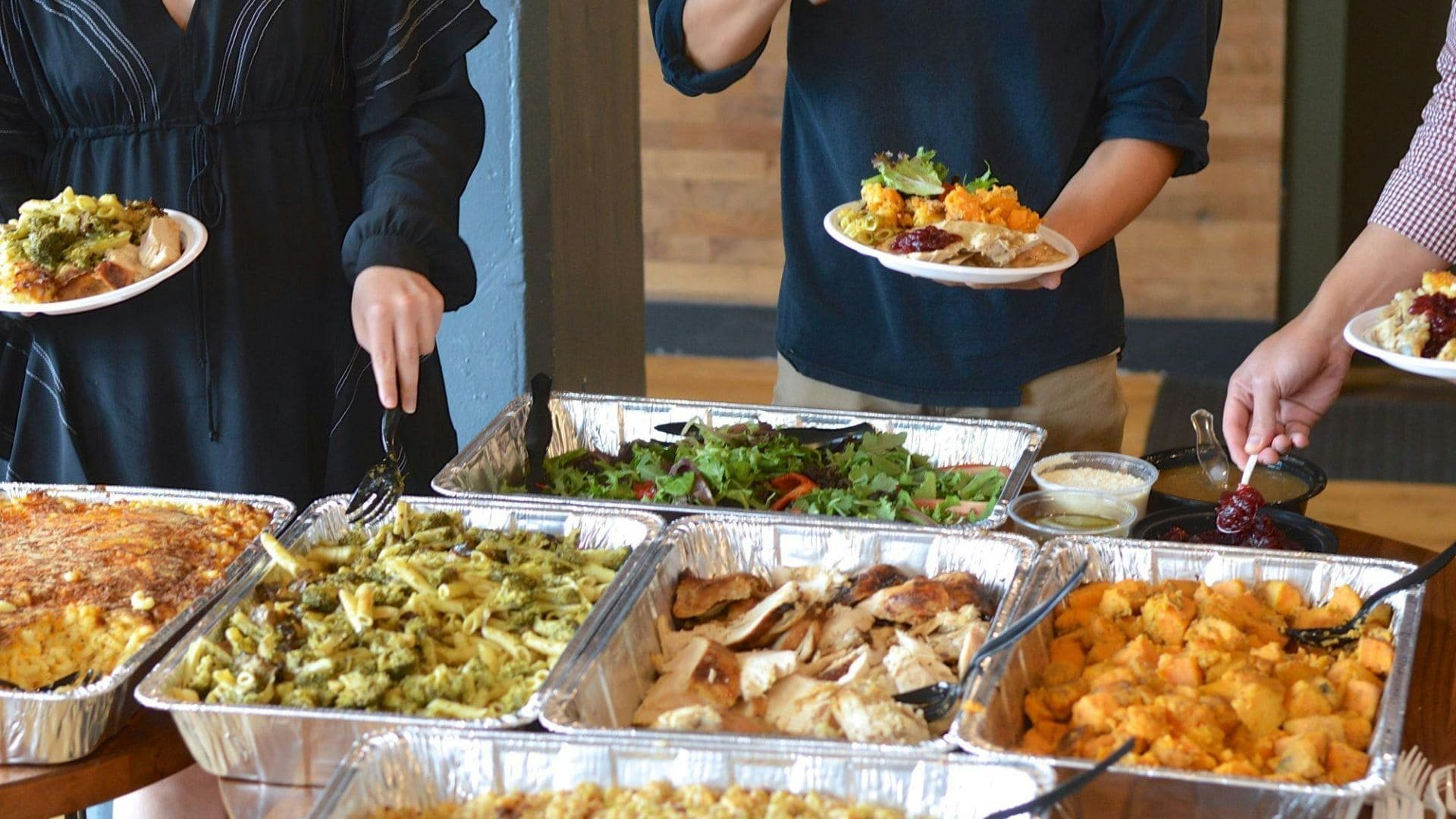
These themes keep costs low while still giving your event a real identity. I've seen all of these work with budgets under $15 per person:
Potluck Around the World
This theme works because the food comes with stories. Ask each person to bring a dish tied to their background or a country they love. People naturally talk about what they brought and why.
You can make setup simple by grouping the table by region. Provide plates, utensils, drinks, and dessert. The food becomes the activity and the meal, which keeps costs low while still feeling special. This works especially well for diverse teams because it lets people share something personal without being put on the spot.
Decade Party
Pick one decade and commit. The '70s, '80s, and '90s work best because everyone gets the vibe without needing elaborate costumes.
Honestly? The playlist does 80% of the work here. Add some printed posters and a few cheap props from the party store, and you're done. People know what to do with "dress like the '90s" without needing a manual, and that's what makes it work.
Game Night Tournament
Game night works when you spread it across stations so people can rotate. Use familiar games so nobody needs training. Trivia, charades, and quick drawing games usually land well.
You can keep it low-cost by asking people to bring games from home and providing snacks. Small prizes add energy, but the real payoff comes from shared laughs and team pairings that do not happen during normal workdays.
DIY Photo Booth
A clean backdrop, some props, and a phone on a tripod with a timer. That's it. That's the whole setup, and it works so well.
People love photo moments because they're optional. Nobody's forcing them to perform or be "on." They just step in when they want, snap some pictures, and leave with something they'll actually keep on their phone.
Ugly Sweater Contest
People bring the sweaters. The sweaters become the décor. You provide voting categories and maybe some recognition.
I cannot emphasize enough how little work this requires from you. The team does the heavy lifting by showing up in ridiculous knitwear, and somehow it's always hilarious. Every. Single. Time.
Seasonal Office Party Themes
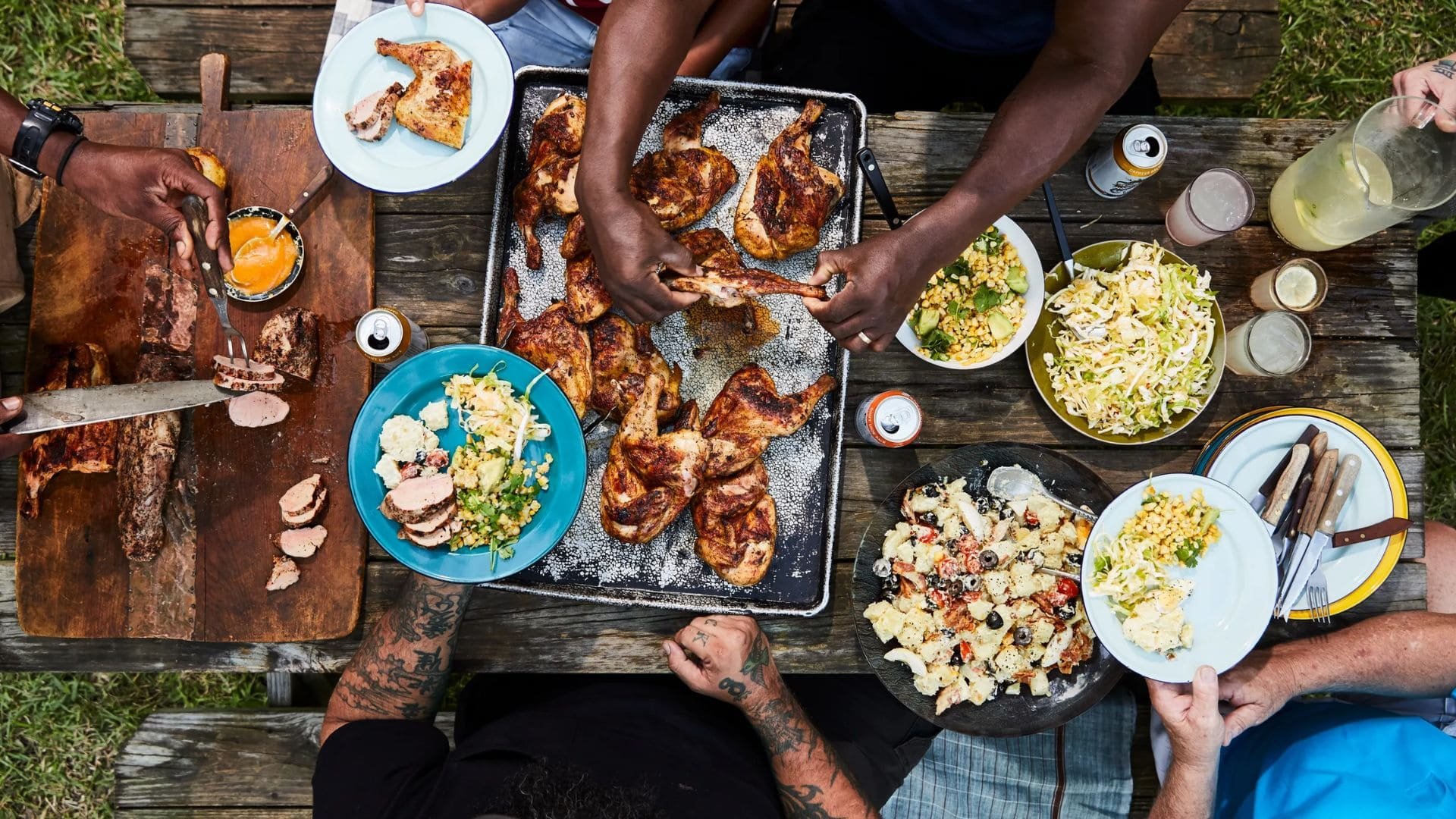
Seasonal themes feel effortless because the decorations and food choices are basically handed to you.
Summer BBQ Cookout
Outdoor parties give people space to breathe, which is huge for reducing that "trapped in a conference room" feeling most office parties have.
Find a park with a pavilion. They're usually cheap or free. Have the company cover mains while people bring sides and desserts. Add lawn games like cornhole or frisbee, and you're done. The relaxed vibe makes better conversations happen naturally.
Fall Harvest Celebration
Fall practically decorates itself. Pumpkins, warm colors, hay bales if you're feeling ambitious. A chili cook-off or pie tasting gives people something to do without it feeling like high-stakes competition.
This works from late September through November and fits both indoor and outdoor spaces. It's also one of those rare themes that feels festive without being tied to a specific holiday.
Winter Wonderland
Winter themes feel festive without needing to center one holiday. Focus on cozy visuals, lights, and warm drinks.
White and silver décor, string lights, and hot chocolate set the tone quickly. This theme works well for teams with mixed backgrounds because it feels seasonal and inclusive.
Spring Garden Party
Spring parties feel lighter and more social. Flowers, pastel tones, and fresh foods match the season without heavy planning.
Parks and green spaces keep costs down and make the event feel different from a typical office gathering. This works well for a Q1 wrap-up or a new-team welcome.
Sophisticated Office Party Themes
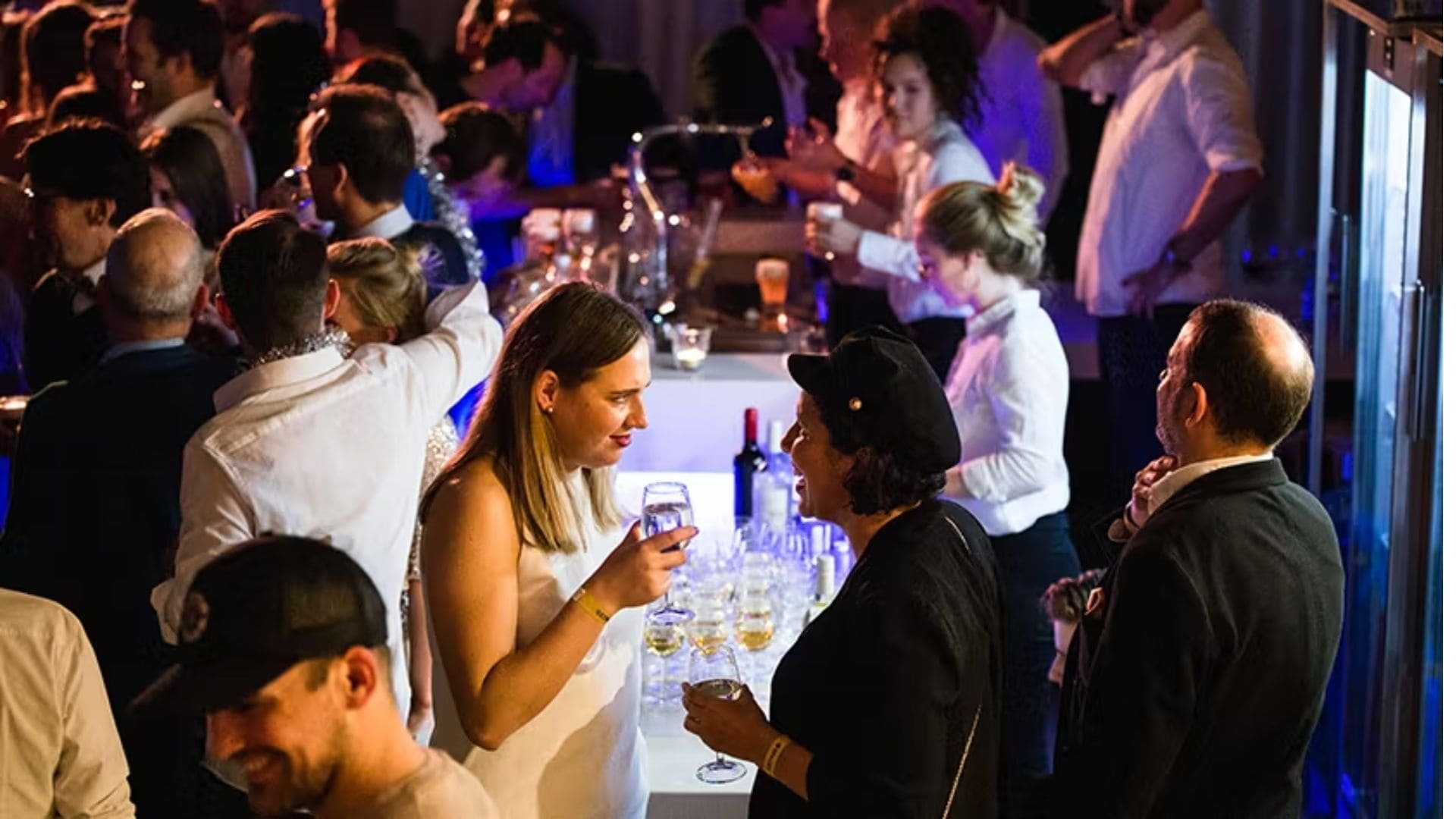
These themes fit milestone events, client-facing gatherings, or those moments when your team deserves something that feels special.
Black Tie Gala
The dress code alone transforms the energy. When people show up in formal wear, they treat the evening differently: better conversations, more photos, elevated mood.
You can rent an actual venue or elevate your best internal space with strategic lighting and clean décor. Save this for moments that genuinely deserve it: anniversaries, major milestones, end-of-year recognition.
Casino Night
Casino nights work because the room is full of built-in activity. People can play, watch, move between tables, or just stand around chatting while holding poker chips.
Use play money so it stays light and nobody risks real cash. You can hire professional dealers or train volunteers from your team. People remember this one because the format keeps everyone engaged all night.
Masquerade Ball
Masks add an element of mystery while keeping things formal. It's fun without demanding full costumes, which is perfect for people who want to participate but don't want to go overboard.
Keep extra masks at the door so nobody feels left out. Your décor can stay elegant and simple, good lighting and music honestly do most of the work here.
Hollywood Premiere Night
This theme combines glam with photo moments, which makes it easy to execute well. A red carpet entrance, movie posters, and a simple “paparazzi” setup create a clear atmosphere.
Studio Pod fits naturally here because the theme already centers photos. Setting up an automated headshot experience gives guests polished images they can actually use. Each session delivers 15 professional photos instantly, with no photographer coordination needed.
You can add a film screening afterward to extend the night without turning it into a complicated program.
Interactive and Games-Based Themes
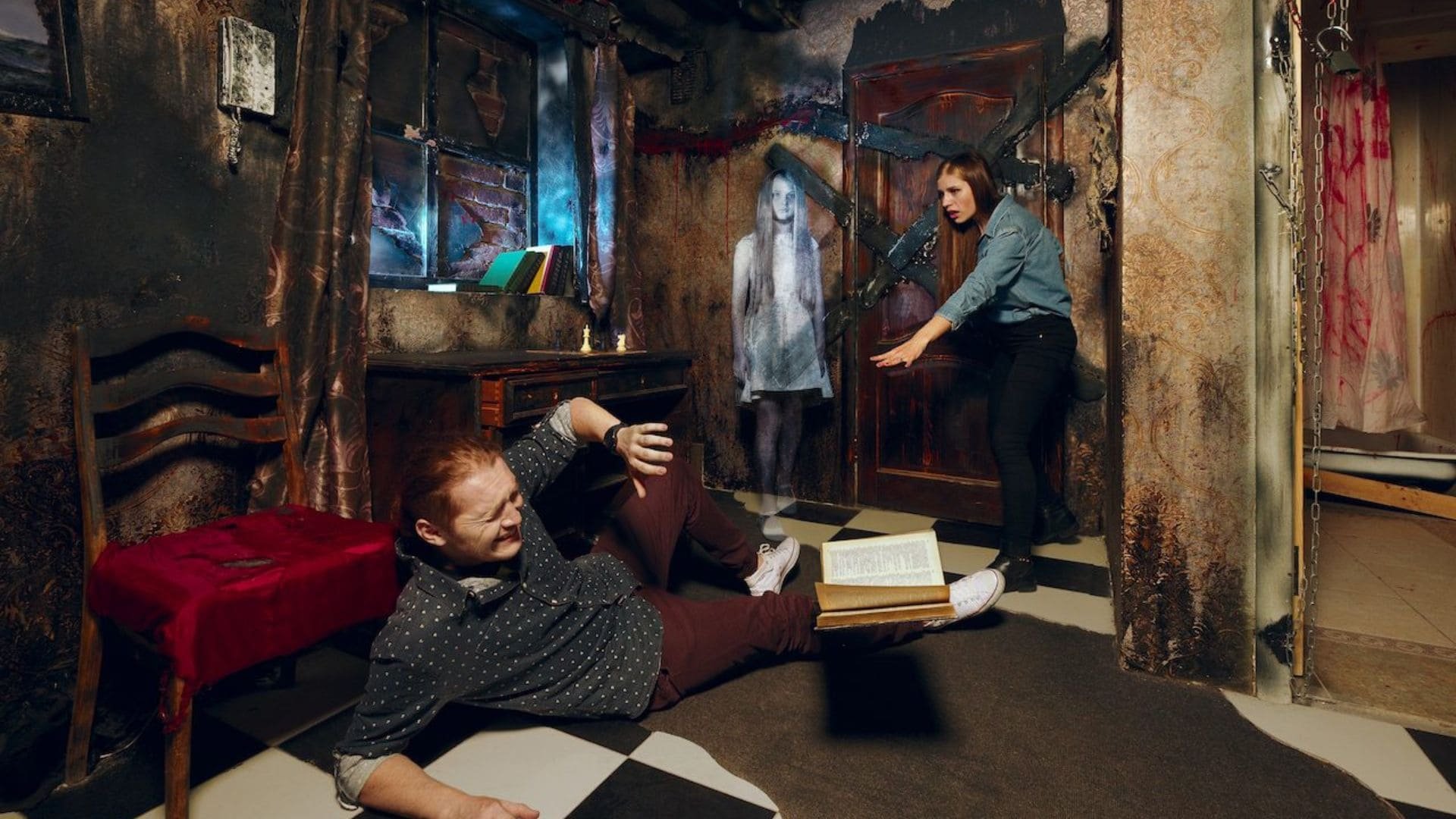
These themes work best when you want participation to happen naturally, not through forced icebreakers.
Murder Mystery Party
Everyone gets a role, which removes that awkward "what do I do with my hands" feeling. The structure keeps people talking and collaborating naturally.
Professional kits make this so much easier: they include characters, scripts, clues, everything. Just know that this works better with smaller groups. For larger teams, you'll need multiple simultaneous games or a simplified format.
Escape Room Challenge
Escape rooms force collaboration in the best way. You see people's different strengths come out - who's good at puzzles, who thinks outside the box, who keeps everyone organized.
Book an external location or bring DIY puzzle kits into your office. Either way works. Team prizes add excitement without making it feel cutthroat.
Trivia Tournament
Trivia requires almost zero setup and creates instant engagement. Mix up categories so different people can shine. Don't make it all pop culture or all sports.
This is perfect for teams that want fun without costumes or physical activity. It also works well for hybrid participation if you have remote folks.
Office Olympics
Office Olympics embrace pure silliness, which is exactly what makes them work. Paper airplane distance contests, chair races, desk basketball: it's ridiculous and everyone knows it.
Set up stations so people participate in short bursts. End with a quick medal ceremony and you've got a clean wrap-up.
Inclusive and Celebration Themes

These work when you want broad participation across different backgrounds and comfort levels.
Around the World Festival
This centers shared culture through food, music, and stories. People contribute dishes, add songs to the playlist, or share something meaningful to them.
I love this for international or diverse teams because it feels like genuine recognition, not a checkbox exercise.
Decades Dance Party
Unlike picking one specific decade, this lets people choose their favorite era and show up in that vibe. Music spans multiple decades, which keeps it inclusive across age groups.
The flexibility makes participation easier. Go big with an outfit or keep it subtle - both work.
Sports Fan Celebration
Sports themes create easy small talk. People wear jerseys, watch a game, play light competitions, eat stadium-style snacks.
Just make sure participation stays optional for anyone who doesn't follow sports. Not everyone cares about the game, and that's fine.
Charity Fundraiser Party
When you tie the party to a cause people care about, the whole event takes on different meaning. A raffle, silent auction, or donation drive gives the night purpose beyond just entertainment.
I've noticed people show up more willingly when there's something bigger at stake, especially if you keep the tone social rather than formal.
How to Make Your Office Party Theme Work
Choosing the theme is maybe 30% of the work. Execution is what separates parties people remember from parties people forget immediately.
Start Planning Early
Give yourself at least six weeks for simple themes. Complex themes need three months minimum, especially anything requiring venue rentals or professional entertainment.
Early planning means better vendor availability, more decoration options, and actual time to handle problems instead of panicking at 10 PM the night before.
Create a Planning Timeline
Work backwards from your party date. Book venues and entertainment first since those have the longest lead times. Invitations go out 3-4 weeks before the event. Decoration shopping happens 2-3 weeks out. Food orders finalize one week before.
The timeline keeps you on track and prevents last-minute scrambling.
Get Team Input
Send a quick survey asking which themes appeal most to your team. Multiple choice options make responding easy and give you data to work with.
People attend more enthusiastically when they helped choose the theme. The input also reveals preferences you might not have guessed.
Assign Clear Responsibilities
Don't try to handle everything yourself. Divide tasks among committee members or volunteers: decorations, food coordination, entertainment, setup, and cleanup.
Clear ownership prevents tasks from falling through cracks. People work better with specific assignments than vague "help out" requests.
Set Realistic Budgets
Know exactly what you can spend before you start planning. Track expenses as you go to avoid surprise overages.
Build in a 10-15% buffer for unexpected costs. Something always runs slightly over budget.
Communicate Details Clearly
Tell people what to expect: dress code, timing, location, whether food will be served, if plus-ones are welcome. The more details you provide upfront, the fewer questions you'll field later.
Send reminder messages one week and one day before the event. People forget, and reminders improve attendance.
Choosing Between These Office Party Themes
Twenty-five options is a lot. Here's how I narrow it down quickly:
First, eliminate anything over budget. Cross off themes requiring venues you can't access. Remove options that clash with your company culture.
You'll narrow down to 3-5 viable choices fast. From there, pick whichever theme excites your planning team most. Your enthusiasm shows through in execution, and that matters more than you'd think.
Trust your instincts about your team. You know what will land better than any article can tell you.
Final Thoughts
The right office party theme gives people something to look forward to and remember afterward. It breaks up routine, builds connections, and shows your team they're valued.
Start with what's actually possible given your budget, space, and team size. Work with those constraints instead of fighting them. The best parties come from doing a few things really well rather than attempting everything.
For themes like Hollywood Premiere Night or Red Carpet Gala, Studio Pod adds a practical element. This professional headshot service gives everyone updated photos for LinkedIn, email signatures, and company directories. Sessions take just 15 minutes, deliver 15 professional images immediately, and require no photographer coordination. Contact Studio Pod to bring one to your next event or book sessions at their locations in Houston, Austin, Aliso Viejo, and Chicago.
Pick a theme, plan it thoroughly, and execute it with energy. Your team will appreciate the effort and the chance to celebrate together.

.jpg)
.jpg)