

A headshot is a professional photograph focusing primarily on your face, typically framed from the shoulders up. These photos serve as your visual introduction in business, job applications, social networks, and personal branding. Unlike casual snapshots, headshots present you in a polished, professional light designed to make strong first impressions.
Remote work means your photo often introduces you before any face-to-face meeting. LinkedIn profiles with professional headshots receive significantly more views. Job applications with quality headshots get noticed. Dating profiles with clear, genuine photos perform better. Your headshot works as your digital handshake across every platform where you show up.
This guide covers everything about getting professional headshots: what they are, why you need them, how to get them quickly or traditionally, what makes them effective, and where to use them.
Headshot vs Portrait: Key Differences
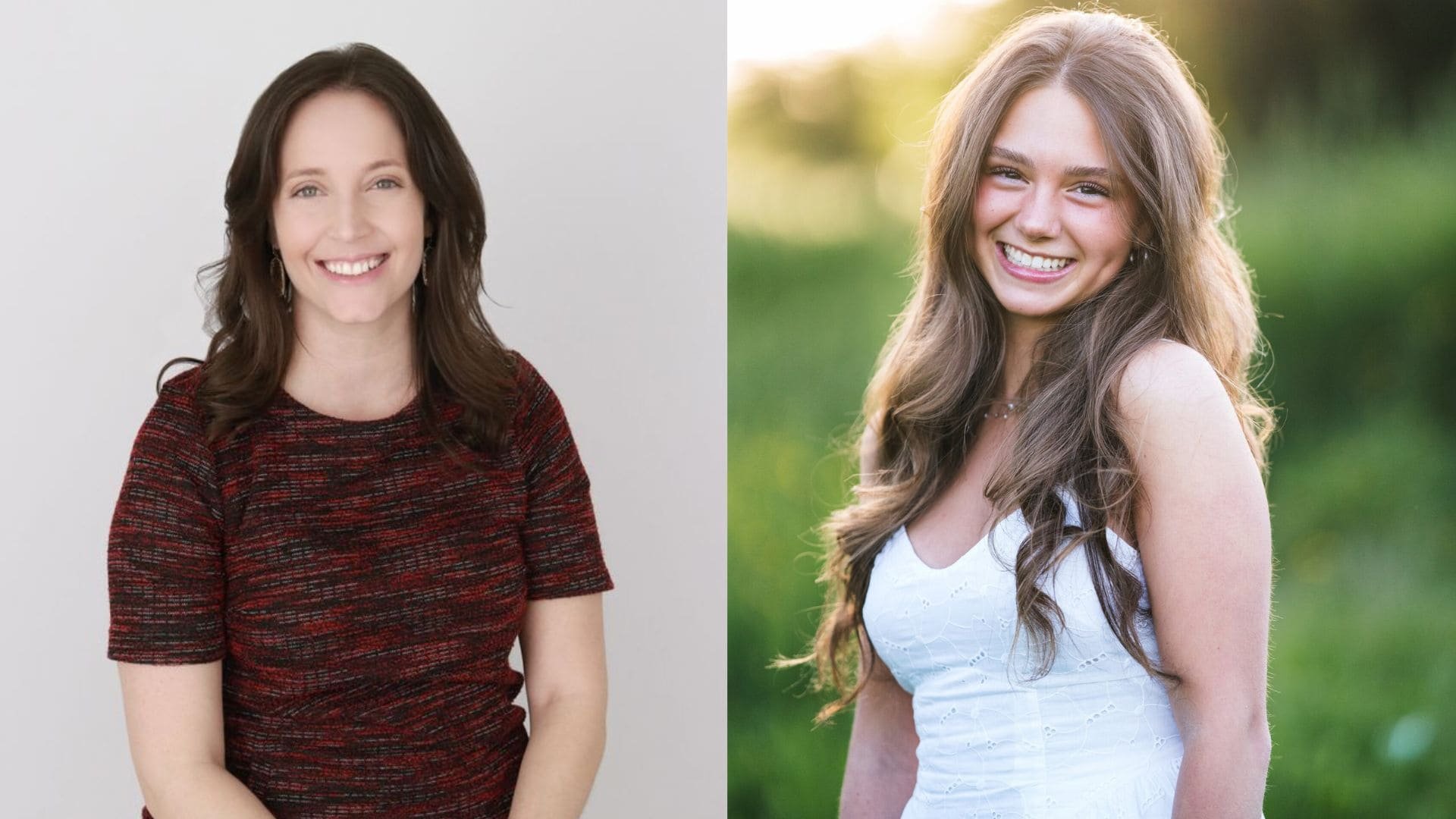
People often confuse headshots with portraits. Both photograph people, but their purposes diverge significantly.
Headshots prioritize clarity and professionalism. They zoom in tight on your face with neutral backgrounds. The goal is presenting you clearly and professionally for business contexts. Think LinkedIn profiles, company directories, conference speaker lists.
Portraits embrace creativity and artistic expression. They include more of your body, feature interesting backgrounds, and explore mood through lighting and composition. Portraits tell stories about personality beyond professional contexts.
Corporate settings prefer headshots for their directness. Creative industries might lean toward portraits for showing artistic sensibility. Many professionals need both types for different uses.
Modern Ways to Get Professional Headshots
Getting professional headshots in 2026 offers more options than ever. You choose based on your timeline, budget, and specific needs.
Studio Pod: Professional Results in 15 Minutes
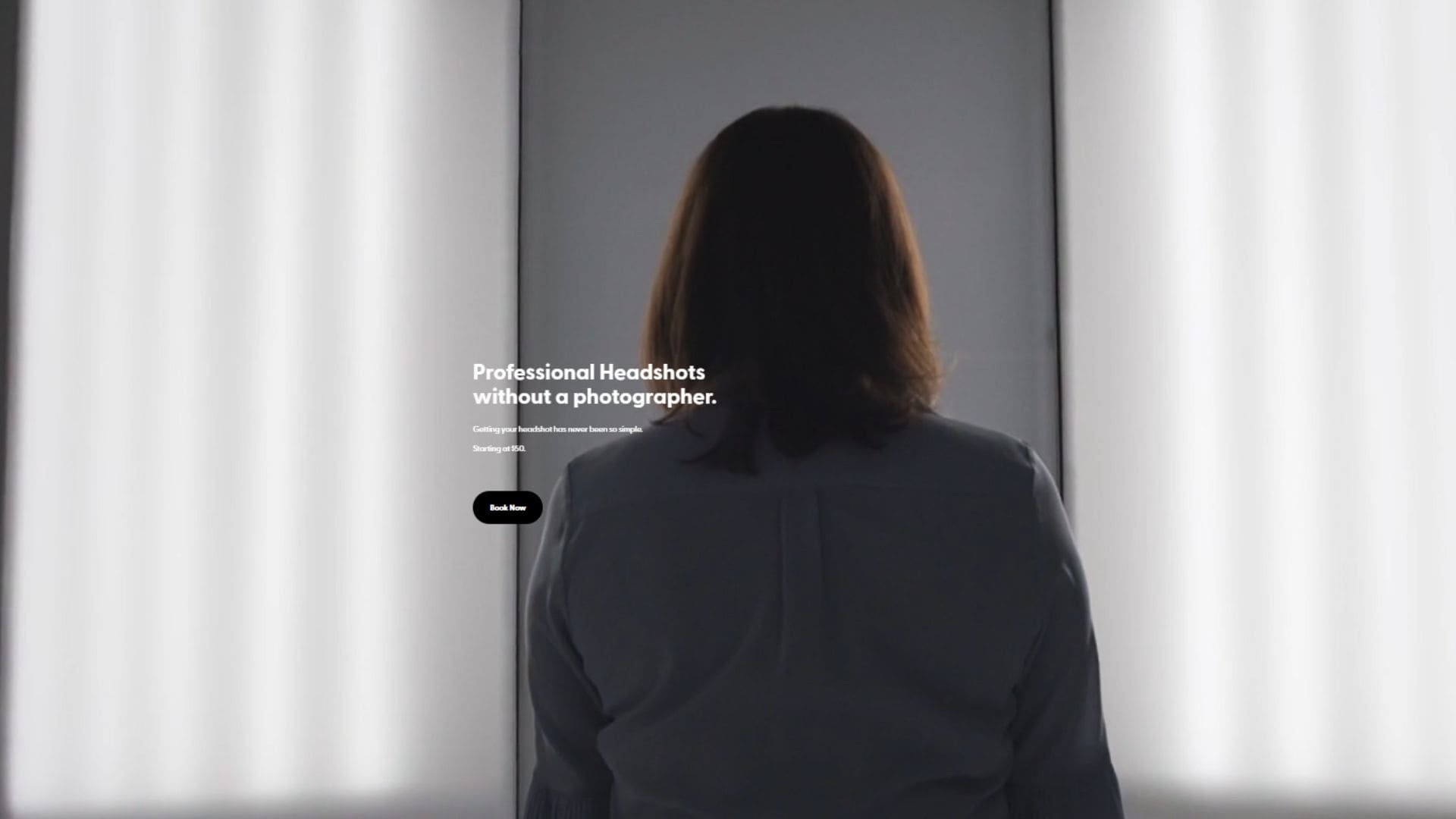
Studio Pod revolutionizes professional headshots through automated photography technology. Walk into any Studio Pod location, follow the on-screen guidance, and leave 15 minutes later with professional photos ready to use immediately.
The system handles everything a traditional photographer would: proper lighting, flattering angles, composition, and instant delivery. You control the process through simple on-screen prompts, choosing your poses and preferences. No waiting weeks for a photographer's schedule or edited photos.
This works perfectly for professionals needing quick updates to LinkedIn profiles, job seekers preparing applications, remote workers building personal brands, or anyone requiring professional photos without complicated scheduling. The cost stays predictable and significantly lower than traditional photography sessions.
Book a Studio Pod session when you need professional headshots without photographer scheduling, extended timelines, or premium traditional costs.
Traditional Headshot Photography Sessions
Traditional photography sessions with professional photographers still serve important purposes. When you want creative input, specific artistic vision, or extensive direction throughout shooting, hiring a photographer makes sense.
A typical session lasts 30 minutes to 90 minutes depending on outfit changes, location variety, and shot complexity. The photographer guides your poses, adjusts lighting continuously, and captures dozens to hundreds of images. You review proofs later and select favorites for professional editing.
Costs vary widely based on photographer experience, location, and package details. Expect $200-400 for standard sessions in most markets. High-demand photographers in major cities charge $500-1,000 or more. The price typically includes shooting time, basic editing, and a set number of final images.
Traditional sessions work best when you need specific creative direction, multiple looks or backgrounds, or extensive variety in final shots. Actors, models, and executives building comprehensive portfolios benefit most from traditional photography.
Finding the right photographer requires reviewing portfolios to match their style with your vision. Book several weeks ahead for popular photographers, especially during busy seasons.
DIY Headshots (Budget Option)
Creating your own headshots works for immediate needs or tight budgets. Modern smartphone cameras capture quality images when you understand basic techniques.
Find a well-lit area near a window with indirect natural light. Avoid direct sunlight creating harsh shadows. Position yourself a few feet from a plain wall serving as your background. White, gray, or neutral colors work best.
Set your phone on a tripod or stable surface at eye level. Use the timer function allowing you to position yourself properly. Take multiple shots with slight variations in expression and angle.
Free editing apps like Snapseed or VSCO help adjust exposure, crop properly, and enhance the final image. Keep edits subtle and natural-looking.
DIY headshots suffice for quick LinkedIn updates, internal company use, or temporary placeholders. They fall short for job applications in competitive markets, executive profiles, or situations where photography quality signals professionalism.
When DIY photos feel inadequate but traditional photography exceeds your budget or timeline, Studio Pod offers the middle ground delivering professional quality without photographer costs or scheduling delays.
Types of Headshots (With Examples)
Different contexts require different headshot approaches. Understanding these types helps you get photos matching your specific needs.
Corporate and Business Headshots
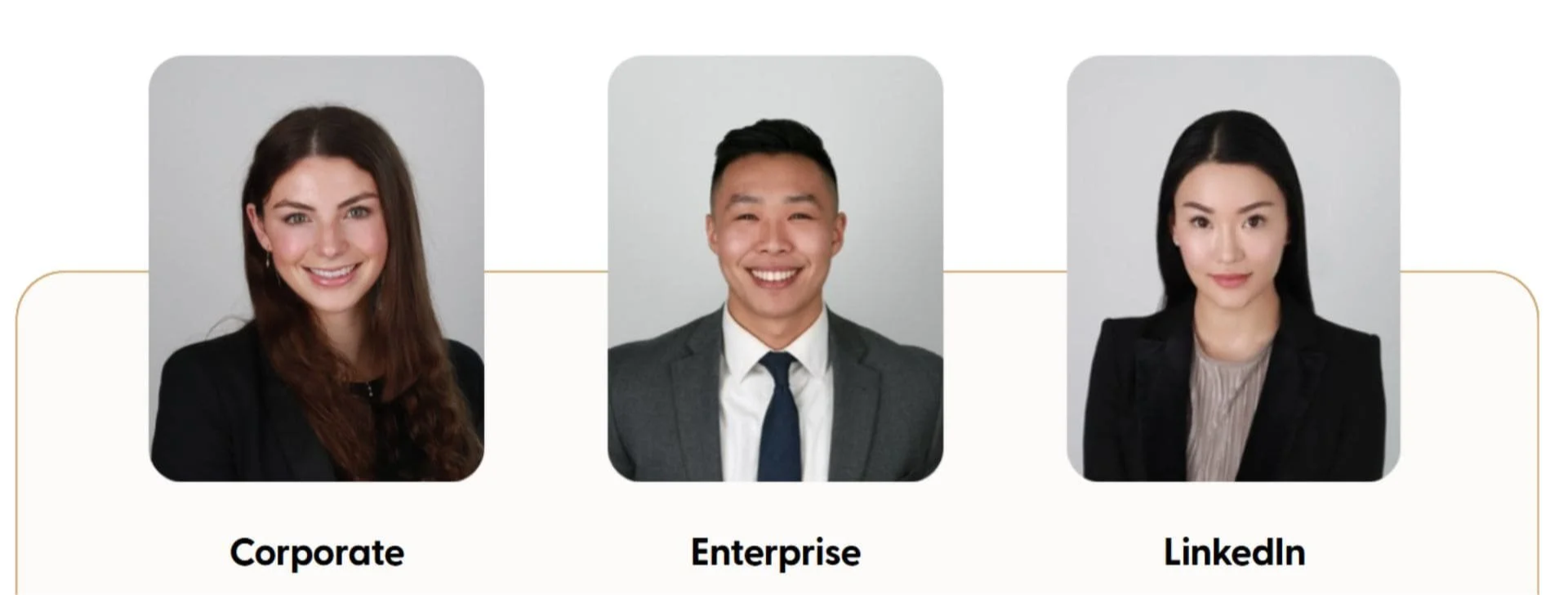
Corporate headshots present employees, executives, and team members on company websites, internal directories, and marketing materials. These photos prioritize professionalism, approachability, and brand consistency.
Subjects typically wear business attire matching company culture. Tech startups might accept business casual while law firms expect full suits. Backgrounds stay neutral, often white, gray, or subtle blue. Expressions remain friendly but professional rather than overly casual.
Companies often schedule group sessions ensuring visual consistency across team photos. Studio Pod's corporate on-location service brings professional headshot technology directly to offices, photographing entire teams efficiently.
LinkedIn and Professional Network Headshots
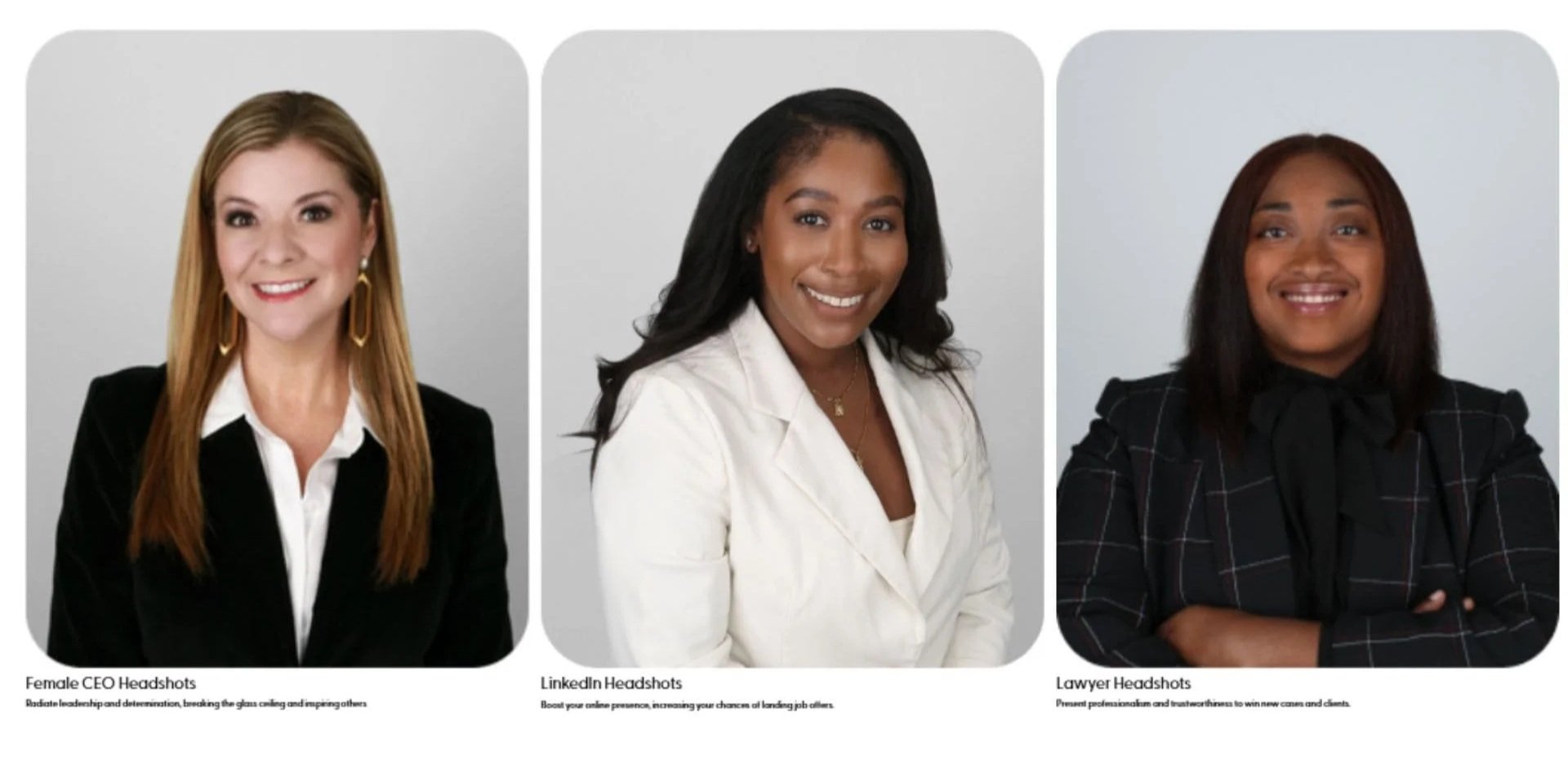
LinkedIn profiles with professional photos receive 21 times more profile views and 9 times more connection requests than profiles without photos. Your LinkedIn headshot serves as your professional identity across the platform.
These headshots need clear facial visibility, professional attire, and appropriate expressions. The photo should look current, matching your actual appearance when meeting people in person.
Update your LinkedIn headshot every 1-2 years or whenever your appearance changes significantly. Career transitions, promotions, or company changes all warrant fresh photos reflecting your current professional status.
Job Application Headshots
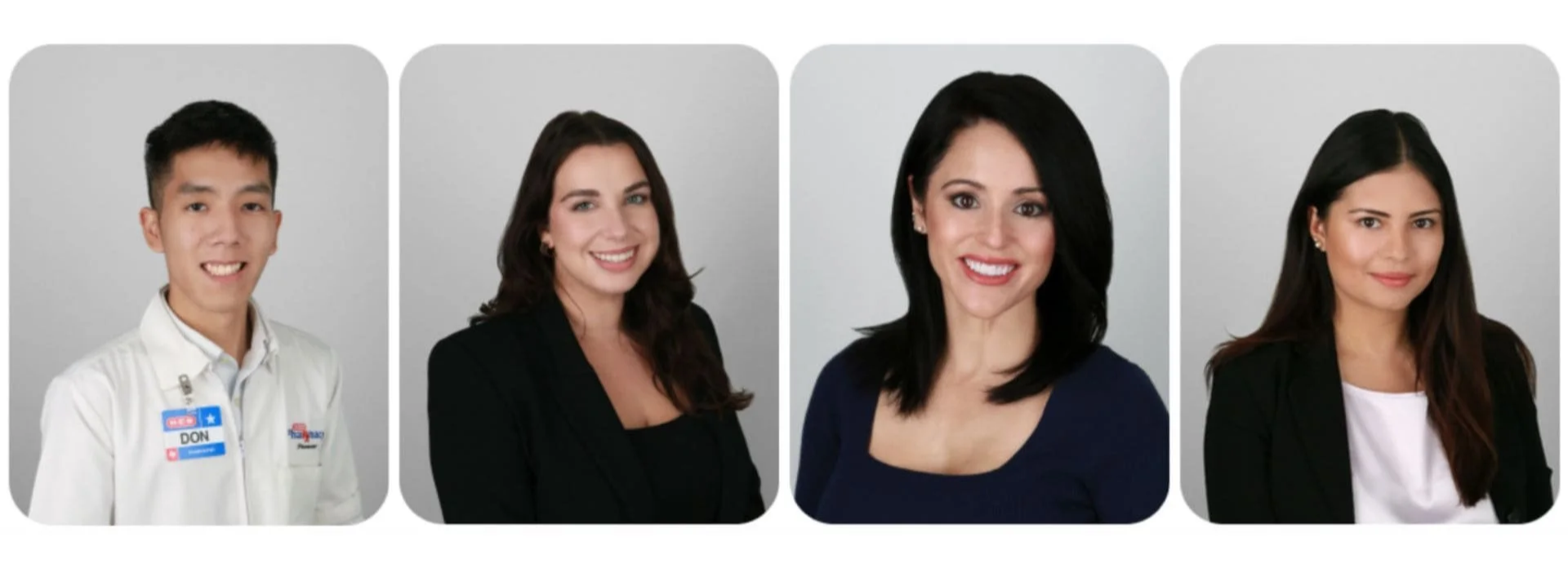
Certain industries expect headshots with job applications. Medical fields, hospitality, customer-facing roles, and international positions often request photos as standard application components.
These headshots require conservative styling, professional attire, and neutral expressions projecting competence and reliability. Avoid creative backgrounds or casual clothing that might signal lack of seriousness about the position.
Studio Pod's quick turnaround helps job seekers needing professional photos immediately when applications require them unexpectedly.
Dating Profile Headshots
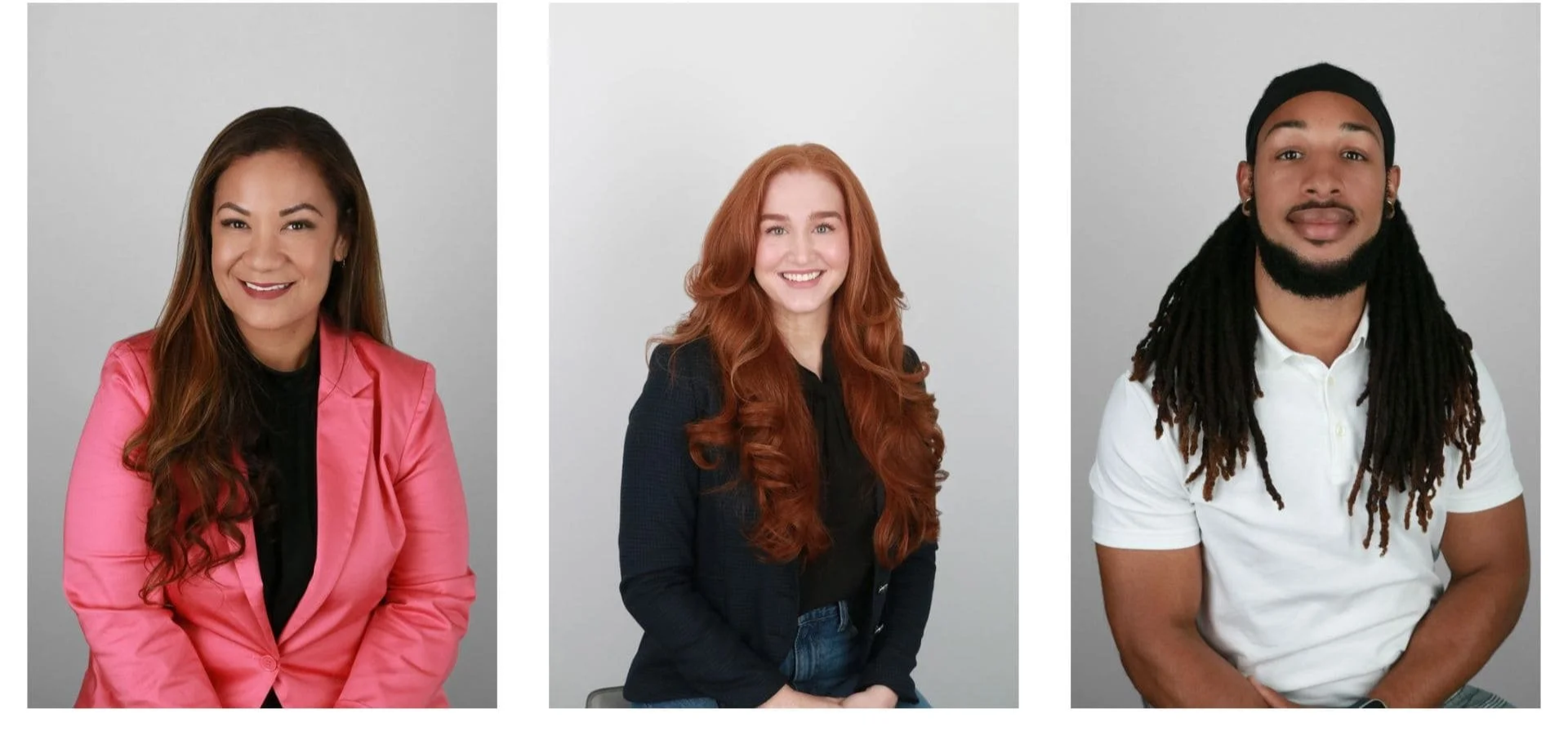
Dating profile photos benefit from professional quality without appearing overly formal. You want clear facial visibility, genuine smiles, and approachable energy.
These photos work best with natural lighting, simple backgrounds, and authentic expressions. Avoid obvious studio setups making photos feel too corporate. The goal is presenting yourself attractively and honestly.
Professional headshots for dating profiles should look like an elevated version of photos friends might take, not like your LinkedIn profile. Some photographers specialize in this niche, understanding the balance between professional quality and casual approachability.
Personal Branding Headshots
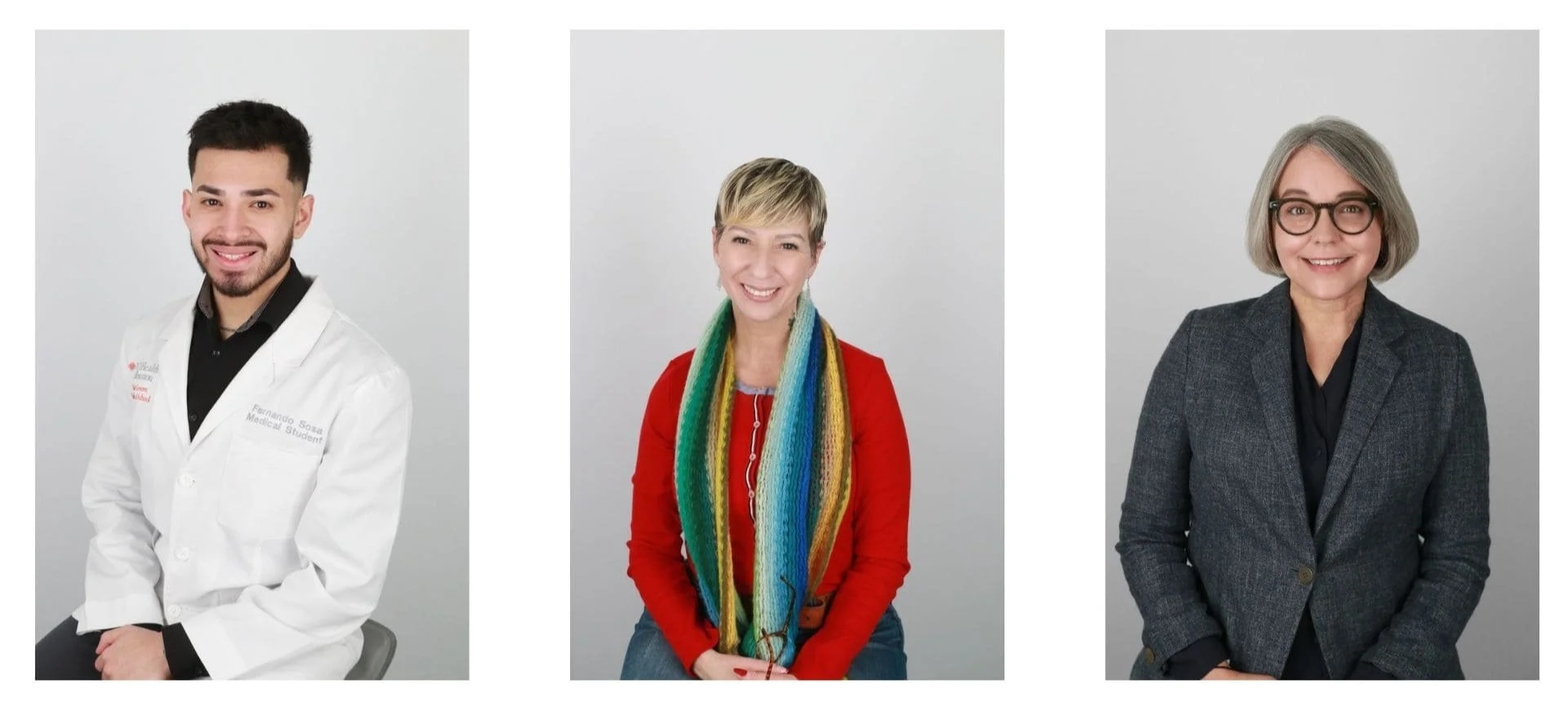
Entrepreneurs, consultants, content creators, and freelancers need headshots establishing their personal brands. These photos appear on websites, social media, marketing materials, and wherever you represent yourself professionally.
Personal branding headshots allow more personality and creativity than strict corporate photos. Your clothing, background, and expression should align with your brand identity and target audience.
A financial consultant might choose conservative attire and neutral backgrounds. A creative consultant might incorporate color, texture, or environmental elements reflecting their innovative approach. For some professionals, lifestyle photos make even more sense when the goal is to show personality, setting, and day-to-day brand presence in the same frame.
What Makes a Good Headshot?
Several technical and stylistic elements separate effective headshots from mediocre ones. Understanding these factors helps whether you're getting photos taken or evaluating results.
Composition and Framing
Professional headshots typically frame from mid-chest to just above the head. This composition provides enough context while keeping clear focus on your face.
Your shoulders should angle slightly rather than facing directly forward, creating more dynamic composition. Your head turns toward the camera while shoulders stay angled, producing natural-looking dimension.
The camera positions at eye level or slightly above, never below. Shooting from below creates unflattering angles while eye-level perspective feels natural and engaging.
Lighting Quality
Proper lighting makes the largest difference in headshot quality. Professional lighting reduces shadows, evens skin tones, and creates dimension across facial features.
Soft, diffused light flatters most faces. Harsh direct light creates strong shadows and highlights that distract from your features. Studio Pod's automated lighting system optimizes for flattering results without technical knowledge required.
Natural window light works for DIY attempts when indirect and soft. Direct sunlight creates the harsh shadows you want to avoid.
Background Choices
Simple backgrounds keep focus on your face. Solid colors, subtle textures, or soft focus environments all work when they don't compete with your presence.
White and gray backgrounds remain professional standards for corporate settings. Darker backgrounds create dramatic contrast for creative industries. Outdoor or environmental backgrounds work when kept out of focus, suggesting context without distraction.
Avoid busy backgrounds with patterns, multiple colors, or recognizable objects drawing attention away from your face.
Expression and Authenticity
Your facial expression carries enormous weight in headshot effectiveness. Forced smiles look awkward and insincere. Completely neutral expressions can appear cold or unapproachable.
The sweet spot lives in genuine, relaxed expressions. Think about something pleasant or amusing right before the photo captures. Slight smiles with engaged eyes project warmth and confidence simultaneously.
Studio Pod's guided process helps you find natural expressions through prompts and timing, avoiding the stiffness that comes from holding poses too long.
Clothing and Styling
Solid colors photograph better than patterns or prints. Patterns can create visual noise or weird effects in photos. Stick with colors complementing your skin tone while matching the professional context.
Business environments call for suits, blazers, or polished business casual. Creative industries allow more flexibility with color and style choices.
Avoid bright whites that can blow out in photos or neon colors that distract. Bring wardrobe options to sessions allowing variety in final shots.
Common Mistakes to Avoid
Poor lighting creates most headshot problems. Harsh shadows, unflattering angles, or inadequate light all undermine otherwise good photos.
Outdated photos misrepresent you when meeting people in person. Update headshots every 1-2 years minimum, more often with significant appearance changes.
Overly casual photos for professional contexts send wrong signals. Your beach vacation selfie doesn't belong on your LinkedIn profile regardless of how much you like the photo.
Heavy editing or filters that alter your appearance create unrealistic expectations. Light retouching of temporary blemishes works fine. Changing your facial structure, skin texture, or coloring crosses into misrepresentation.
Where to Use Your Headshot
Professional headshots serve numerous purposes across business and personal contexts. Maximize your investment by using photos strategically.
LinkedIn and Professional Networks
Your LinkedIn profile photo appears everywhere you interact on the platform. Messages, comments, profile views, and search results all display your headshot.
Upload high-resolution images meeting LinkedIn's requirements. The platform crops photos to square format, so ensure your face stays visible after cropping.
Update your photo every 1-2 years keeping your online presence current. Outdated photos create disconnect when meeting connections in person.
Company Websites and Team Pages
Businesses showcase teams on about pages, team directories, and department listings. Consistent, professional headshots across all team members create polished presentations.
Photos should maintain similar composition, background, and lighting for visual consistency. Studio Pod's automated system naturally creates this consistency across team members.
Job Applications and Resumes
Certain industries and international positions expect headshots with applications. Medical fields, hospitality, customer-facing positions, and many international markets include photos as standard components.
Use current, professional photos matching your actual appearance. Outdated or casual photos raise questions about your professionalism and attention to detail.
Some job coaches recommend omitting photos from US-based applications to avoid unconscious bias. Research norms in your specific field and location.
Speaking Engagements and Conferences
Conference organizers request headshots for speaker listings, promotional materials, and event programs. Having professional photos ready speeds the submission process.
Speaking photos work best showing confidence and approachability. You want audiences to feel excited about hearing you speak based on your photo presence.
Email Signatures and Business Cards
Adding headshots to email signatures creates personal connection in digital communication. Recipients remember faces more easily than names alone.
Business cards with photos stand out from text-only cards. People remember you better when your card includes your face alongside contact information.
Personal Websites and Portfolios
Entrepreneurs, freelancers, and consultants use headshots extensively on personal websites. Your photo humanizes your online presence and builds trust with potential clients.
Place professional headshots prominently on home pages, about sections, and contact pages. Multiple photos showing different angles or expressions add variety throughout your site.
Social Media Profiles
Professional social networks like LinkedIn require professional headshots. Personal networks like Facebook, Instagram, or Twitter benefit from quality profile photos even when you share casual content otherwise.
Consistent headshots across platforms make you recognizable and reinforce your professional identity. Using different photos on different platforms can create confusion about your identity.
How Often Should You Update Your Headshot?
Professional headshots have shelf lives depending on appearance changes and career developments.
Standard Update Timelines
Update headshots every 1-2 years as a general rule. This timeline keeps photos current without excessive spending on new sessions.
Some industries expect more frequent updates. Actors, models, and media personalities might need annual updates. Most business professionals update every 2 years comfortably.
Signs You Need a New Headshot
Significant appearance changes warrant new photos regardless of timeline. Weight changes, different hairstyles or colors, new glasses, or facial hair changes all signal update time.
Career transitions call for fresh headshots. Promotions, company changes, or industry shifts all benefit from photos reflecting your current professional status.
Your photo looks dated compared to current photography trends. Background styles, lighting approaches, and composition preferences shift over time. Photos from 5-10 years ago often look obviously outdated.
Seasonal Considerations
Some professionals update headshots seasonally, using photos in different settings or clothing throughout the year. This approach works well for real estate agents, sales professionals, or anyone whose photo appears frequently in marketing materials.
Most people don't need seasonal updates. One set of professional headshots serves well across 1-2 years for typical business use.
Final Thoughts
Professional headshots no longer require weeks of planning, photographer scheduling, or premium budgets. Studio Pod delivers professional headshots in 15 minutes at accessible prices, serving individuals and companies needing quality headshots efficiently.
Traditional photography still serves specific needs when creative direction, extensive variety, or artistic vision matters most. DIY approaches work for immediate needs on tight budgets when professional quality isn't critical.
Your headshot represents you across every professional platform. It creates first impressions for job applications, client meetings, and networking connections. Investing in quality photos that present you authentically and professionally pays dividends across your career.
Book your Studio Pod session when you need professional headshots without complicated scheduling or premium costs. Walk in, spend 15 minutes, and walk out with professional photos ready to use immediately across all your professional platforms.


