

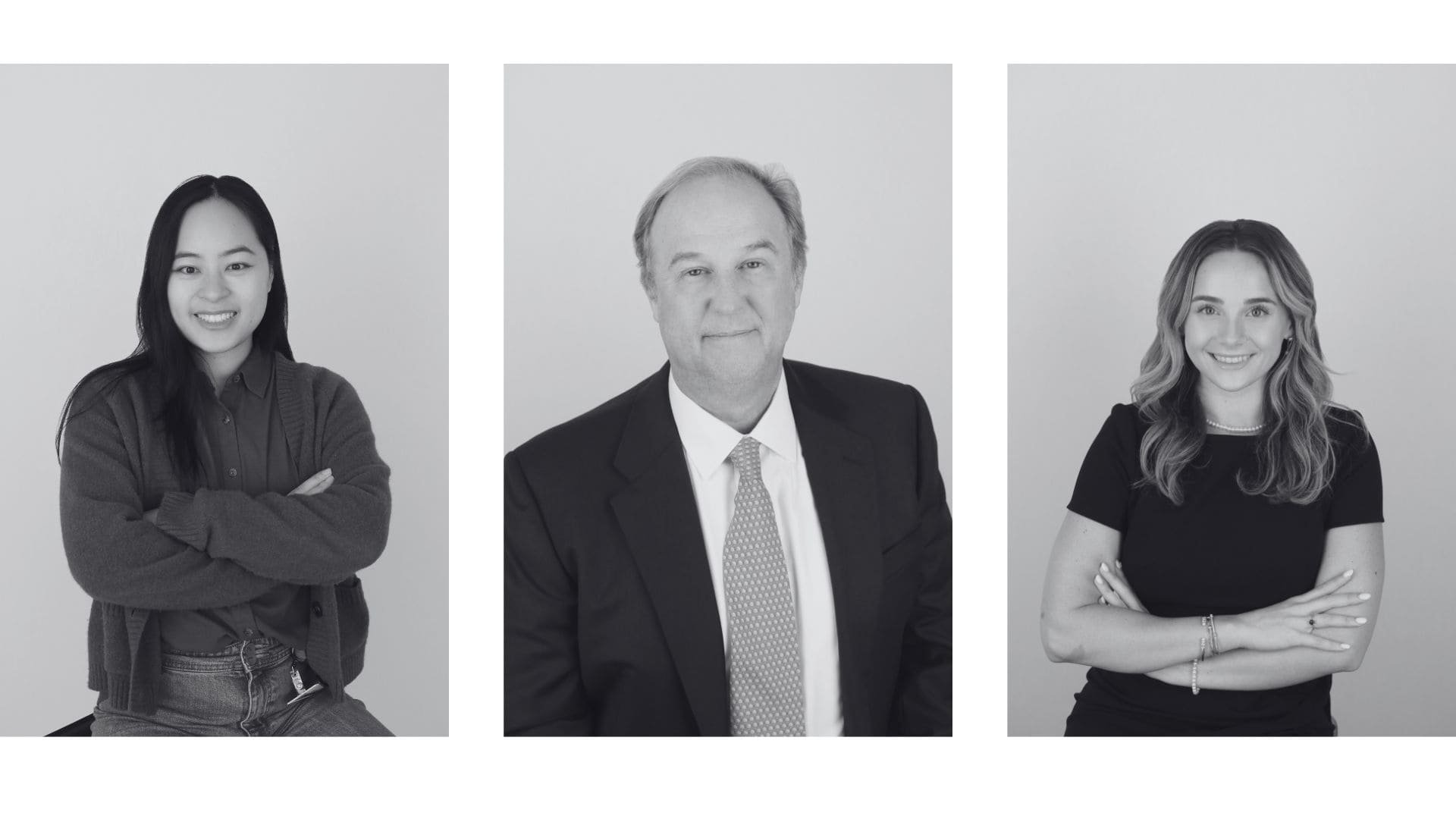
Black and white headshots strip everything down to light, texture, and expression. You see bone structure, shadows, eye detail, and the emotion behind a small shift in your face. That simplicity creates a bold, timeless look you can use across personal branding, acting profiles, corporate sites, and creative work.
We’ll show you how to create black and white headshots with clean lighting, natural poses, strong tones, and easy adjustments you can try at home. You’ll also see how to convert a color portrait to black and white without losing depth.
Why Black and White Headshots Work So Well
Black and white portraits focus attention on expression, shape, and tone. Without color competing for attention, your eyes become the center of the frame. Lines, shadows, and contours define the mood. This makes the photo feel confident, direct, and polished.
These headshots also hold up for years. Trends change, but monochrome portraits rarely feel dated. Many actors, executives, creators, and founders use them because they communicate clarity and confidence in a simple way.
When Black and White Professional Headshots Fit Best
Black and white works in many situations where you want a clean, focused image that shows personality without bright tones or brand colors.
Corporate and Client-Facing Roles
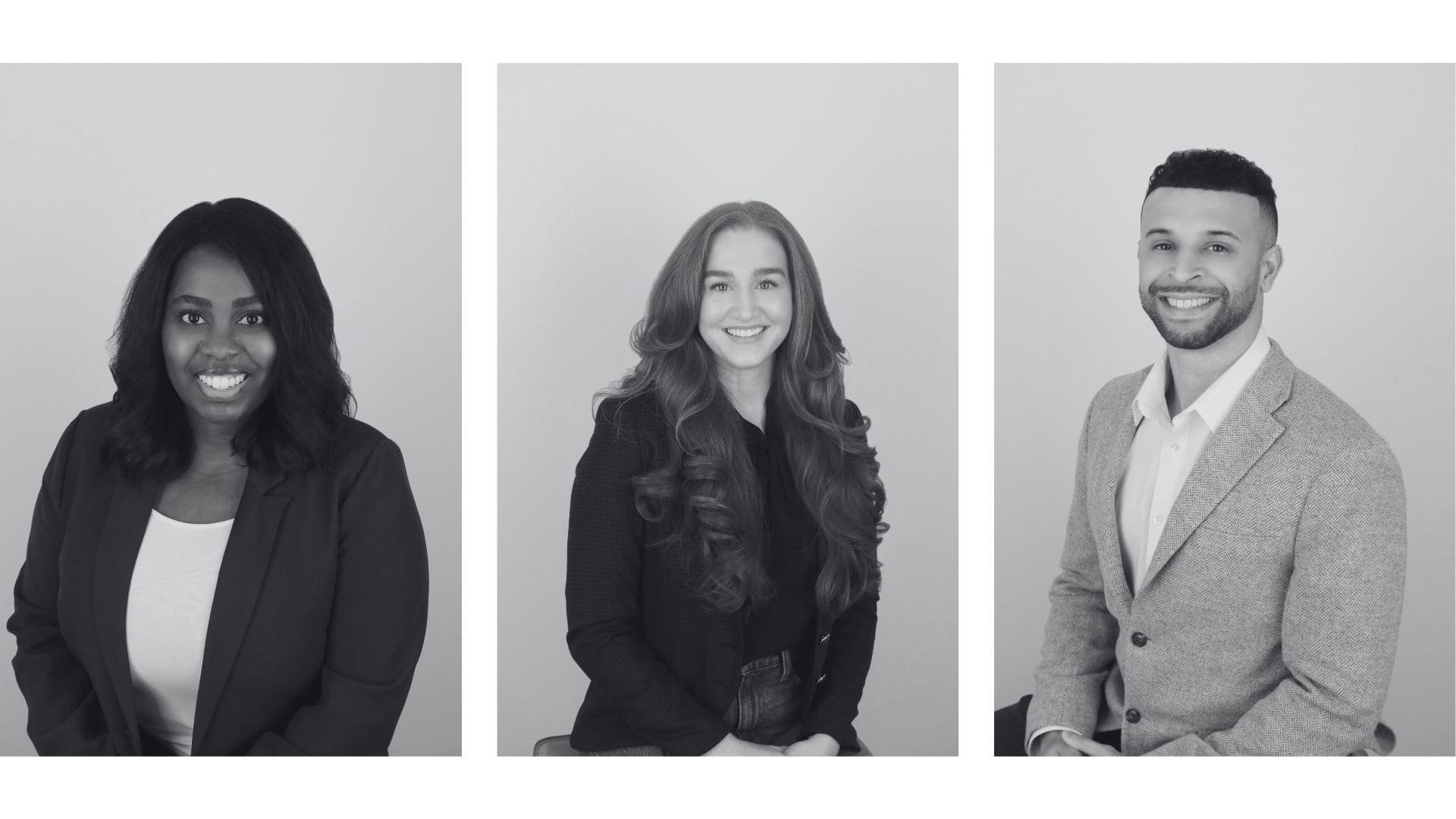
A black and white professional headshot fits industries where tone matters more than color. Law, consulting, finance, and executive roles often use these portraits because they look calm and refined. The monochrome palette keeps the focus on your eyes and expression.
Acting, Modeling, Dance, and Creative Work
Actors often submit black and white versions because the lighting reveals bone structure and emotional range. Models use them to show detail and facial shape. Dancers use them for expressive portraits with dramatic shadow.
Social Media and Personal Branding
Black and white portraits stand out on busy screens. They cut through a feed full of bright colors, giving your profile a cleaner, more intentional aesthetic. Many creators use monochrome for a consistent grid or a refined brand look.
What Makes Black and White Headshots Look Their Best
Because you lose color, the image depends on light, tone, and shape. Small lighting shifts create huge changes in shadow depth. Texture becomes more visible. Contrast defines mood.
Balanced Light
Soft light gives smooth detail across the face. Harsh light creates deeper shadows and a more dramatic style. Neither is right or wrong. You pick based on the feeling you want.
Clean Backgrounds
Without color separation, busy backgrounds stand out more. Simple backgrounds keep attention on your face. A plain wall, a curtain, a shaded alley, or a textured surface works well.
Strong Eye Detail
Sharp eyes make or break a monochrome portrait. You want your eyes to sit at the brightest part of the frame or at least catch the light in a way that draws attention.
Simple Lighting Setups for Black and White Headshots

Lighting carries more weight in monochrome. You’re shaping dimension, contrast, and mood with a few small adjustments.
Window Light
Face a window for soft, even tones and gentle shadows.
Side Light
Stand with the window or lamp to one side. This creates stronger contrast and defines your jawline and cheekbones.
Back Light With Fill
Place bright light behind you, then use a white wall or reflector in front to bounce light back. This separates your head from the background and creates a soft glow around the edges.
Open Shade Outdoors
Find shade from trees or buildings. Open shade gives flat, even light that works for clean professional portraits.
Outfits That Work Well in Black and White Headshots
Clothing looks different when color disappears. Texture becomes more important. Patterns look bolder. Dark shades deepen shadows. Light shades brighten the frame.
Choose simple pieces with clear shapes. Aim for clean lines near the neckline so your face stays central.
Example Outfit Guide
| Style Goal | Outfit Type | Notes |
|---|---|---|
| Polished business | Dark blazer, simple top | Sharp edges and strong contrast |
| Casual professional | Neutral sweater, smooth fabrics | Soft lines for a calm portrait |
| Creative | Texture-heavy tops | Adds interest without bright color |
Posing Tips That Work Especially Well in Black and White
Poses that shape clean lines look best in black and white. You want angles that create subtle shadows and help define your jaw and cheekbones.
The Soft Turn
Rotate your body slightly away from the camera and turn your head back in. This opens your shoulders and adds shape to your jawline.
Forward Lean
Lean slightly toward the camera from the waist. This brings your eyes closer and sharpens your overall presence.
Chin Position
Lift your chin a little to avoid neck shadows. Lower it slightly for a stronger, intense look. Small changes make big differences.
Eye Direction
Look directly into the camera for a confident expression, or look slightly above it for a calmer feel.
Converting Color Headshots to Black and White
You can turn a color portrait into a black and white headshot that looks intentional and polished with a few small adjustments. The goal is to protect detail, keep the mid-tones balanced, and shape contrast so your features stand out.
Start With a Bright, Clean Base: Increase overall exposure a small amount before converting. This keeps shadows from collapsing into dark blocks once the image loses color.
Adjust Mid-Tones: Your mid-tones carry most facial detail. Move them up slightly to keep your skin looking smooth and even.
Shape Shadows and Highlights: Shadows create structure. Highlights define shape. Adjust these slowly to avoid losing detail along your cheekbones, hairline, or jaw.
Sharpen Eyes: Eyes carry the entire portrait. Add a light amount of sharpening to increase clarity without causing harsh edges.
Simple Conversion Workflow
| Step | Action | Why It Helps |
|---|---|---|
| 1 | Raise exposure slightly | Preserves detail in shadows |
| 2 | Lift mid-tones | Keeps skin tone smooth |
| 3 | Add light contrast | Shapes the face |
| 4 | Sharpen eyes | Enhances expression |
| 5 | Review edges | Prevents harsh transitions |
Common Mistakes That Make Black and White Headshots Look Flat
Black and white portraits lose impact when the tones, textures, or shadows shift too far in one direction. These mistakes are easy to fix once you know what causes them:
Flat eyes come from low contrast, so you need a little brightness and clarity to pull attention back to your expression.
Over-smoothing removes natural texture and makes the portrait feel artificial, so keep skin detail visible.
Cluttered backgrounds pull focus away from your face, especially since there’s no color separation.
Heavy contrast can also hide cheekbones and eye shape, so leave enough tone in the darker areas to show structure.
Common problems to watch for
Eyes without enough contrast
Skin that looks over-edited or overly smooth
Backgrounds with too much detail
Shadows that lose all visible shape
A Quick 60-Second Setup for a Clean Black and White Headshot
When you need a fast, strong portrait, this setup works in almost any room.
Stand near a window with soft light.
Turn your body slightly away from the light.
Angle your face back toward it.
Lift your chin a tiny bit.
Lean forward slightly for eye emphasis.
Take three shots with small expression changes.
Convert to black and white and add light contrast.
Black and White vs. Color Headshots
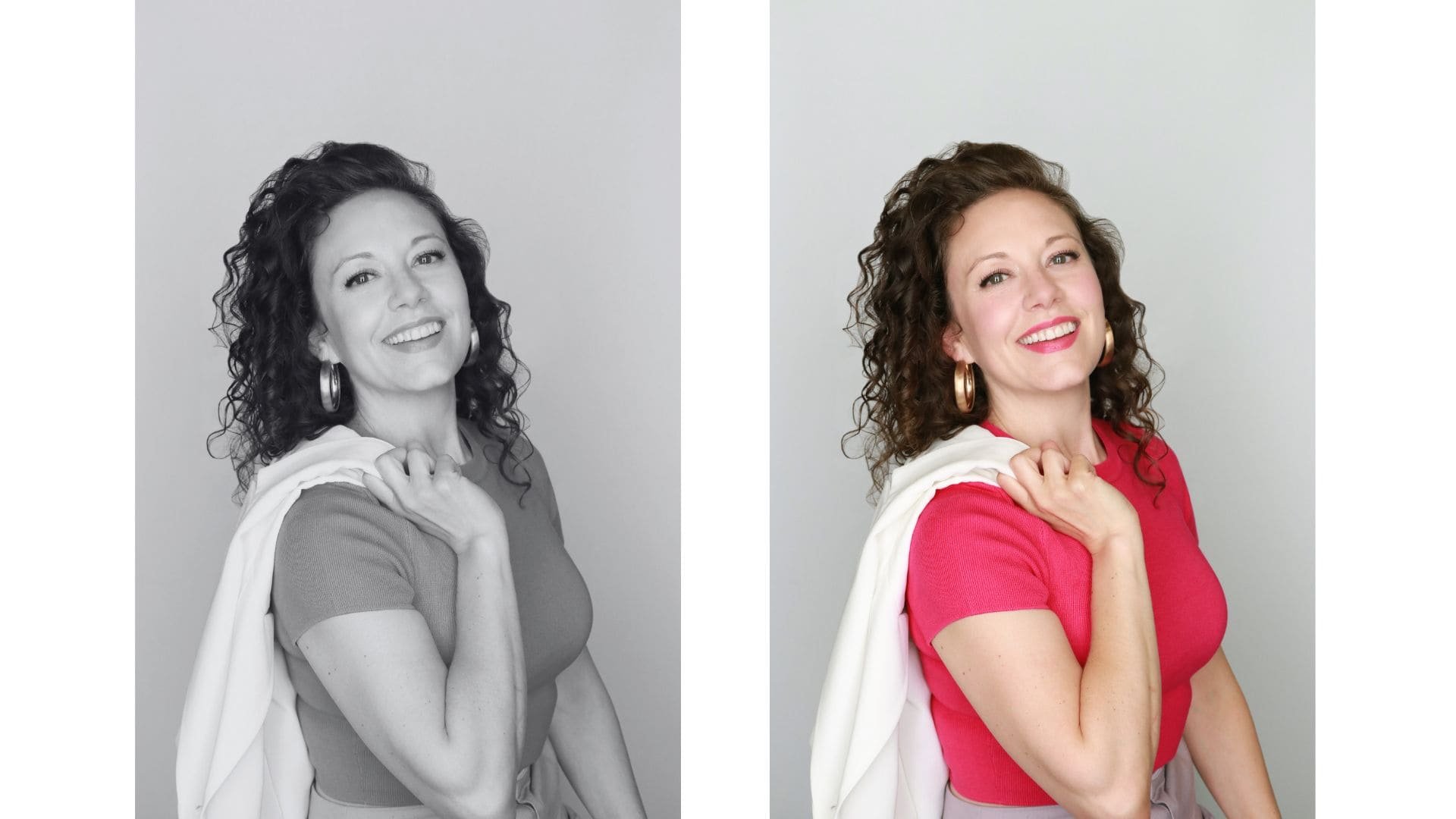
Both styles work well. They just create different impressions. You can use each one for different platforms or audiences.
| Factor | Black and White Headshots | Color Headshots |
|---|---|---|
| Mood | Dramatic, focused | Contemporary, bright |
| Details | Texture and shadows stand out | Skin tone and background colors add context |
| Best For | Acting, law, consulting, creative work | Marketing, lifestyle, brand-related roles |
| Editing Style | Contrast and tonal control | Color correction and exposure |
| Lifespan | Long-lasting and timeless | Reflects current brand colors and trends |
Final Thoughts
Black and white portraits work because they focus on clean lines, natural expression, and simple lighting. Small changes to pose, angle, and tone create big differences in the final result. With the right background, balanced light, and a few easy adjustments during conversion, you can create a portrait that looks timeless and confident.
For a fast way to create a polished black and white headshot without worrying about lighting or editing Studio Pod gives you a simple indoor setup with consistent illumination. You step inside, take your shots in minutes, and pick a black and white style that fits your brand. It’s private, quick, and built for anyone who wants a clean, professional look without hiring a photographer or learning editing tools.
Book your Studio Pod session to capture fresh images you can use for LinkedIn, casting profiles, resumes, and personal branding.


.jpg)