

Most people use the same photo everywhere and assume it works. It usually doesn’t.
A headshot and a full body shot do very different jobs, and choosing the wrong one can quietly weaken how you’re perceived before you ever speak.
Each serves a distinct purpose, communicates different things to viewers, and performs better in specific contexts. Get it right, and your photo works for you. Get it wrong, and you're leaving a first impression on the table.
Let's break down what each type of shot actually is, how they compare, and how to figure out which one fits your needs.
What Is a Headshot?
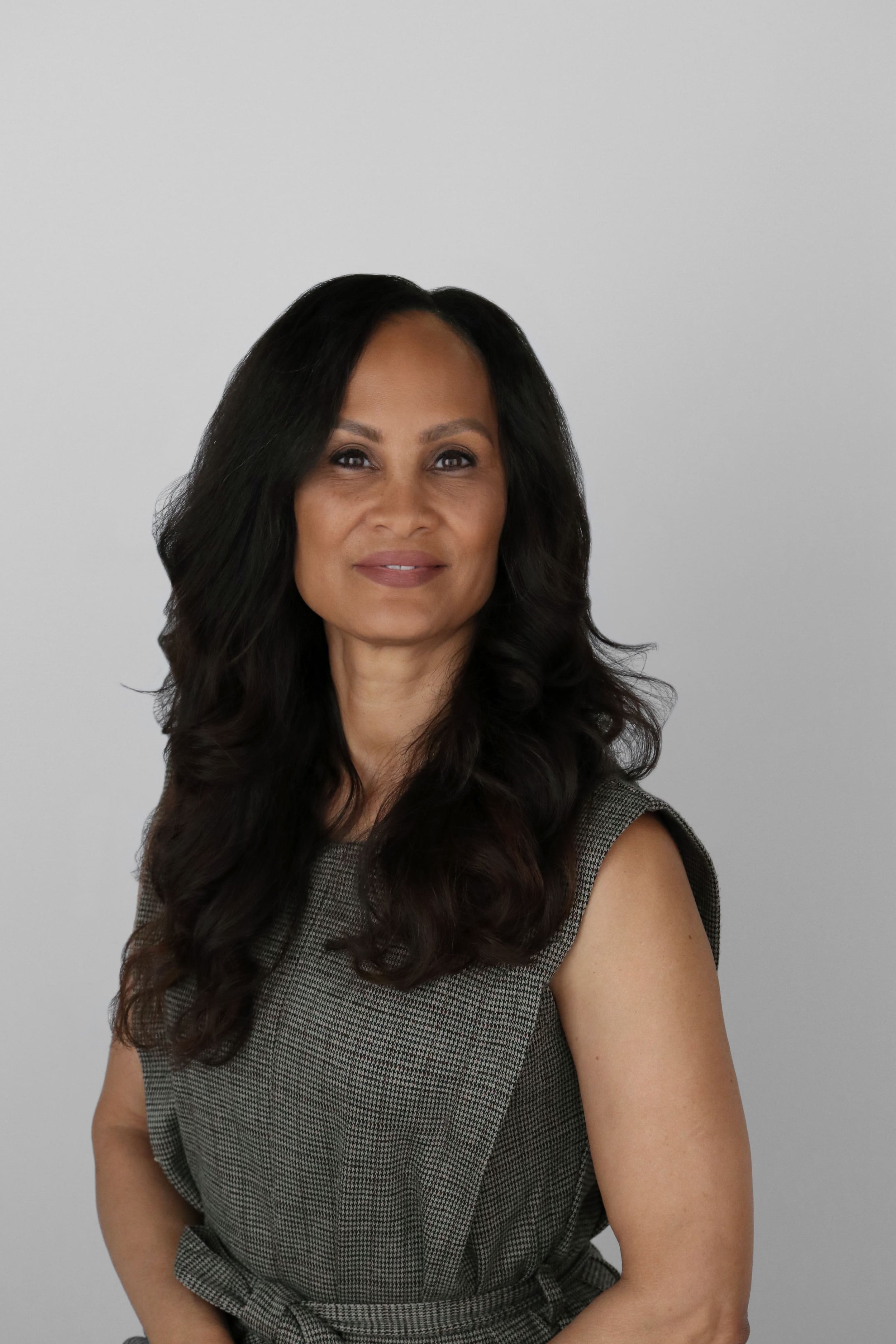
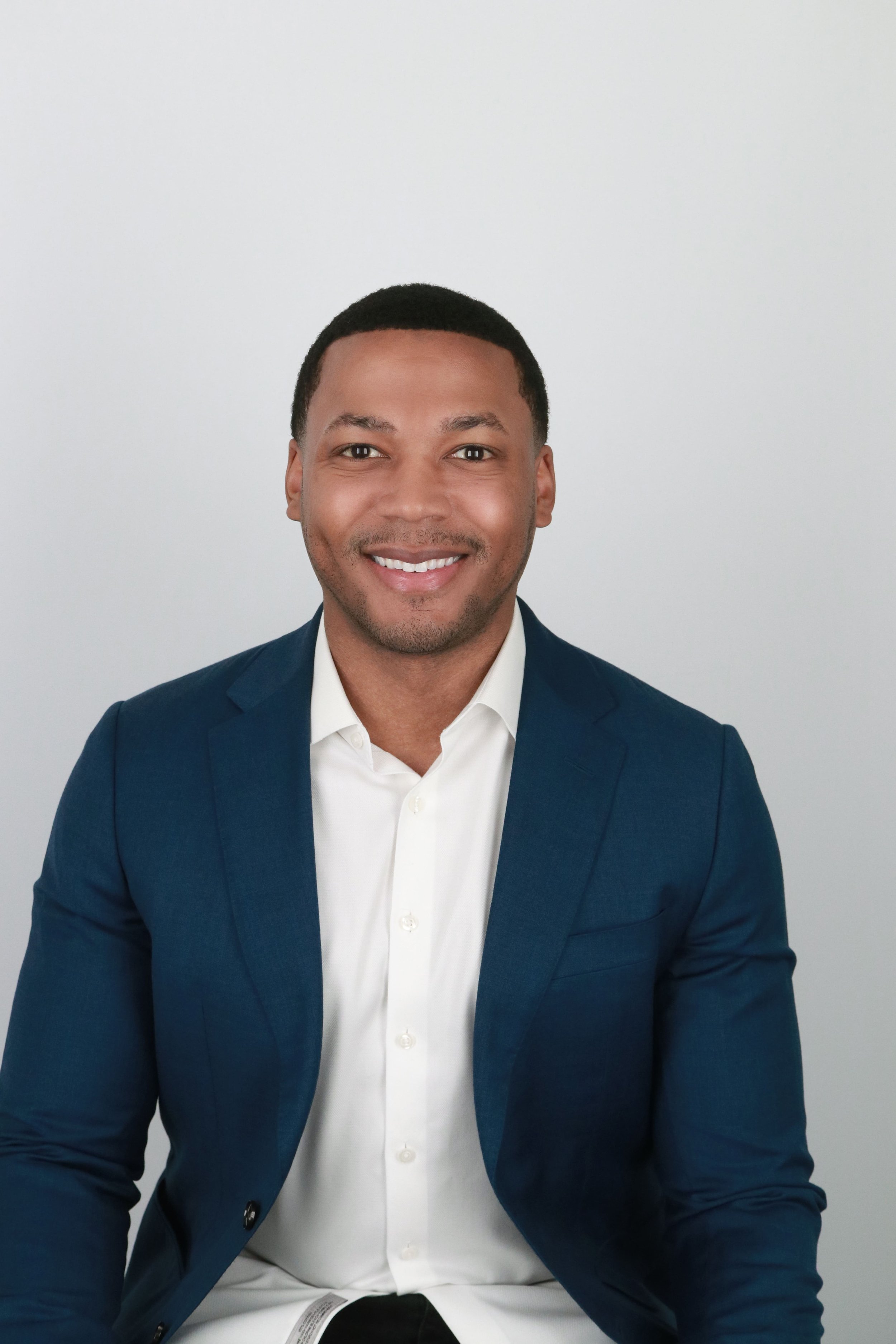
A headshot is a professional photograph that focuses primarily on a person's face and, typically, the upper portion of their chest or shoulders. The frame is tight, the subject is centered, and the goal is singular: to clearly capture the person's face, expression, and presence.
The term has roots in the entertainment and casting industry, where actors needed a standardized photo format that casting directors could quickly review. Over time, headshots became the default professional photo across nearly every industry, from LinkedIn profiles and corporate bios to real estate agent pages and author websites.
What makes a headshot a headshot isn't just the crop. It's the intent. The photo is designed to make the viewer feel like they're looking directly at you, establishing an immediate personal connection. Eye contact, facial expression, and lighting all carry enormous weight in a good headshot. A strong one communicates confidence, approachability, and professionalism within seconds.
Headshots typically fall somewhere between a tight face crop and a shot framed at the mid-chest. Anything wider than that, say, cut off at the waist or showing full arms, starts to shift toward a different category entirely.
What Is a Full Body Shot?
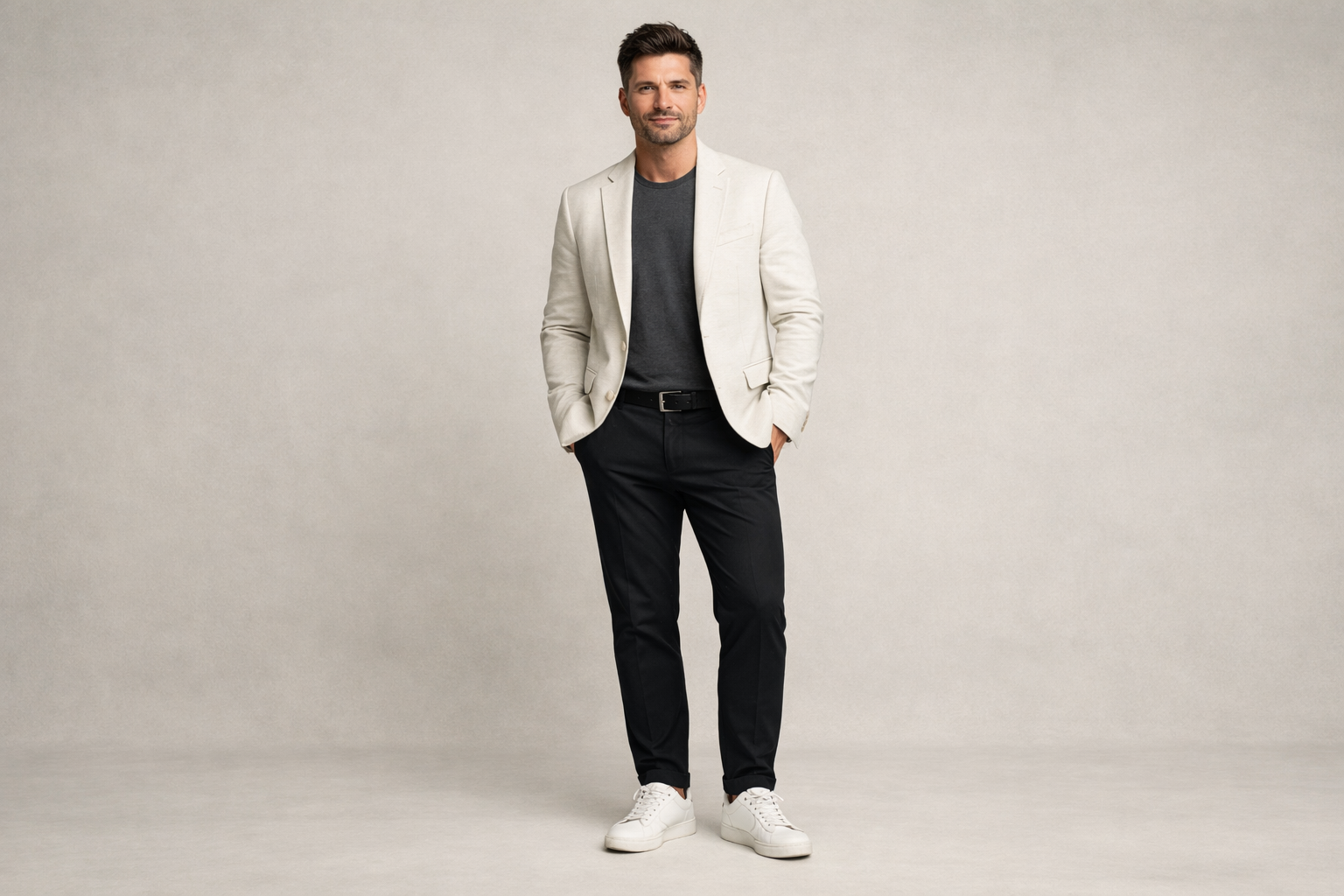
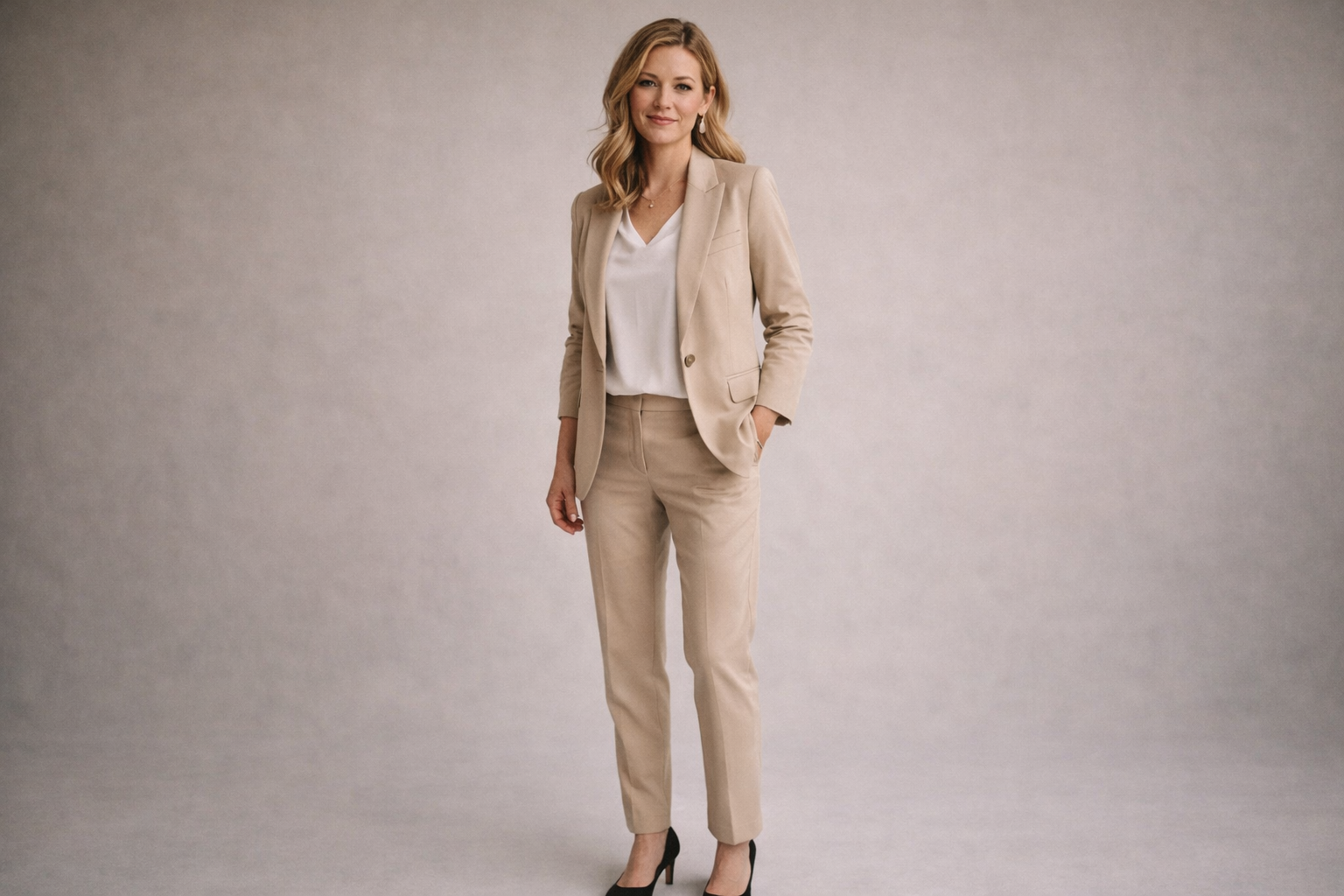
A full body shot captures the entire person from head to toe. The camera pulls back far enough that your full silhouette, posture, outfit, stance, and surroundings all come into the frame. Where a headshot narrows the focus to your face, a full body shot tells a broader story.
Think of it this way: a headshot says,"here's who I am." A full body shot says, "here's how I carry myself in the world." Body language, fashion choices, and physical presence all become part of the message. A real estate agent photographed standing confidently in front of a lakefront property sends a very different signal than the same person in a tight headshot against a plain backdrop; both are valid, but they're doing completely different jobs.
Full body shots are common in modeling, fashion, fitness, lifestyle branding, and any field where physical appearance or style is part of the professional identity. They also appear frequently in editorial content, social media campaigns, and marketing materials where visual variety matters.
One thing worth noting: a full body shot requires more planning than a headshot. The entire frame is live; your shoes, posture, outfit coordination, and the background all need to work together. There's less room to hide a wardrobe misstep or an awkward stance when the whole frame is visible.
Full Body Shot vs. Headshot: Key Differences
Knowing the definitions is one thing. Understanding how these two photo types actually differ in practice helps you make a smarter decision about which to prioritize. Here's a side-by-side look at what sets them apart.
1. Focus
A headshot concentrates entirely on the face. The viewer's attention has nowhere else to go; it lands on your eyes, your expression, and your energy. That's a powerful thing in contexts where personal trust matters.
A full body shot distributes attention across the whole frame. Viewers take in your posture, your clothing, your surroundings, and then your face. This wider visual spread is great for storytelling, but less effective when you need instant personal recognition.
2. First Impression Speed
Headshots communicate faster. When someone clicks on your profile, opens your bio, or pulls up your contact page, a strong headshot delivers a clear impression within a fraction of a second. Faces are processed quickly by the human brain; we're wired to read them.
Full body shots take a beat longer to process. They carry more visual information, which can be an asset in the right context but a liability when speed of recognition is the priority.
3. Use Cases
Headshots are the standard for LinkedIn, company websites, speaker bios, press kits, email signatures, and anywhere a professional identity needs to be communicated quickly and cleanly.
Full body shots shine in lifestyle campaigns, social media content, modeling portfolios, fitness branding, real estate marketing materials (think: agent standing in front of a Lake LBJ property), and editorial spreads. They're often used alongside headshots rather than instead of them.
4. Control vs. Context
A headshot gives the photographer tight control over lighting, expression, and background. Variables are minimized. That precision is exactly what makes them so reliable for professional use.
A full body shot introduces context, and with context comes complexity. The background matters. The outfit needs to read well from a distance. The pose has to feel natural without looking stiff. Done well, that context adds depth. Done poorly, it creates a distraction.
5. Versatility
Headshots are more versatile across formats. They crop cleanly into thumbnails, fit circular profile frames, scale well on mobile, and work in both color and black and white. They're the reliable workhorse of professional photography.
Full body shots are more format-specific. They work beautifully in landscape-oriented marketing pieces, website hero sections, and print materials, but they lose impact when cropped aggressively or squeezed into a small digital frame.
When Should You Use a Headshot?
If you're building or refreshing your professional presence, a headshot is almost always the place to start. It's the foundation of your personal brand photography.
Use a headshot when:
You need a LinkedIn profile photo. LinkedIn's algorithm and user behavior both favor profile photos that clearly show the face. A full body shot often gets overlooked in search results and connection requests.
You're featured on a company website or team page. Most businesses maintain visual consistency across staff bios, and a headshot fits that standard format.
You're submitting a speaker bio or press kit. Event organizers and journalists need a clean, high-resolution face photo, not a full-length shot.
You work in a relationship-driven industry. Real estate professionals, financial advisors, attorneys, consultants, and anyone whose business depends on personal trust benefits from a strong headshot that makes clients feel like they already know you before the first conversation.
You're writing a guest article or appearing in the media. Publications almost universally request headshots for contributor photos.
When Should You Use a Full Body Shot?
A full body shot earns its place when your physical presence, style, or environment is part of the message you're trying to send.
Consider a full body shot when:
You're in a visually driven field. Fashion, fitness, acting, modeling, and personal styling all rely on full body photography as a core content type.
You want to show context. An agent photographed standing on a dock on Lake LBJ tells a story no headshot can, it communicates where you work, the lifestyle you represent, and the environment your clients are buying into.
You're building social media content. Full body photos add visual variety to a content mix and tend to perform well on platforms like Instagram, where lifestyle imagery resonates strongly.
You're creating print marketing materials. Brochures, postcards, and signage often benefit from a full-length presence that commands more visual real estate on the page.
Your brand is built around lifestyle. If who you are is inseparable from how you live and what you wear, think fitness coaches, travel influencers, or luxury real estate specialists, full body shots reinforce that identity in a way headshots simply can't.
For most professionals, full body shots work best as a complement to a headshot library, not a replacement for one.
Types of Headshots (And Where They Fit)
"Headshot" isn't a one-size-fits-all category. There are distinct types of headshots, each suited to different professional goals and audiences.
Corporate headshots are the most common. Clean backgrounds (white, gray, or neutral), professional attire, and a neutral-to-approachable expression. These are the standards for company websites, ID badges, and LinkedIn.
Environmental headshots place the subject in a relevant setting rather than in front of a plain backdrop. A real estate professional photographed with a lakefront property in soft focus behind them, for instance, adds context without the visual complexity of a full body shot. This style works well for website bios and marketing content where brand identity matters.
Actor headshots or ceative headshots follow specific industry conventions, a tight crop, natural expression, and minimal styling. They're typically not appropriate for business use but are the gold standard in entertainment.
Social media headshots are a growing category. These are slightly less formal, often taken outdoors with natural light, and built for platforms where personality drives engagement. Think warm, approachable, and slightly more casual than a corporate shot.
Branding headshots go beyond a single photo; they're part of a broader session that captures multiple looks, expressions, and contexts to give content creators, entrepreneurs, and executives a library of images to draw from.
Which One Do You Actually Need?
Here's the honest answer: most professionals need both, but if you're starting from zero, lead with the headshot.
A strong headshot is non-negotiable for any professional who interacts with clients, partners, or employers. It's the most universally required photo type, it's the most versatile, and it carries the highest return on a single investment. Get a great headshot first.
From there, consider whether a full body shot adds something your headshot can't. Ask yourself:
Is my environment or setting part of my brand story?
Do I regularly create content for social media or print marketing?
Is my industry visually driven in a way that rewards showing my full presence?
If the answer to any of those is yes, a full body shot session, or even a few strong full-length images pulled from a broader branding shoot, is worth adding to your portfolio.
Budget-wise, if you have to choose one, choose the headshot. If you can invest in both, do it, and treat the session holistically so both photo types feel visually cohesive.
Final Thoughts
A headshot and a full body shot aren't competitors; they're tools that serve different jobs. One builds immediate personal recognition and professional credibility. The other tells a bigger story about who you are and the world you operate in. The best personal brands use both strategically and intentionally.
If you've been putting off professional photography because you weren't sure which direction to go, book your session now at Studio Pod and take the photos you’ve been meaning to update for a while.


