

When you look at good headshot examples, they all feel a little different, but the best ones share the same core idea: you look like yourself on a really good day. Your expression feels honest. The light flatters you. The background supports your role instead of fighting for attention. You can picture that person stepping right out of the photo into a meeting, set, or Zoom call.
This guide walks you through what a good headshot actually looks like, with clear examples for LinkedIn, founders, creatives, actors, and remote teams. You’ll see what works, what usually goes wrong, and how to copy the parts that fit your own goals. You’ll also see how you can recreate these looks inside a Studio Pod session without needing your own photographer or studio.
What a Good Headshot Actually Looks Like
A good headshot does three simple things:
Shows your face clearly
Matches the work you do
Feels like you, not a character you barely recognize
You want someone to glance at your photo and understand your general role, your personality, and how you show up in real life. That means clean light, a simple background, and an expression that fits your work.
Core traits of a strong headshot
Your eyes are sharp and clearly visible
Your expression feels relaxed and engaged
The lighting is soft enough to flatter your features
The background does not compete with your face
The crop works at thumbnail size, not only full screen
Retouching, if any, looks invisible and natural
Good Headshot Examples by Goal
Different jobs call for different headshot styles. An attorney, an actor, and a content creator can all have good headshots, but those photos should not look the same. The best examples match the expectations in that field while still feeling personal.
LinkedIn and Corporate Headshot Examples
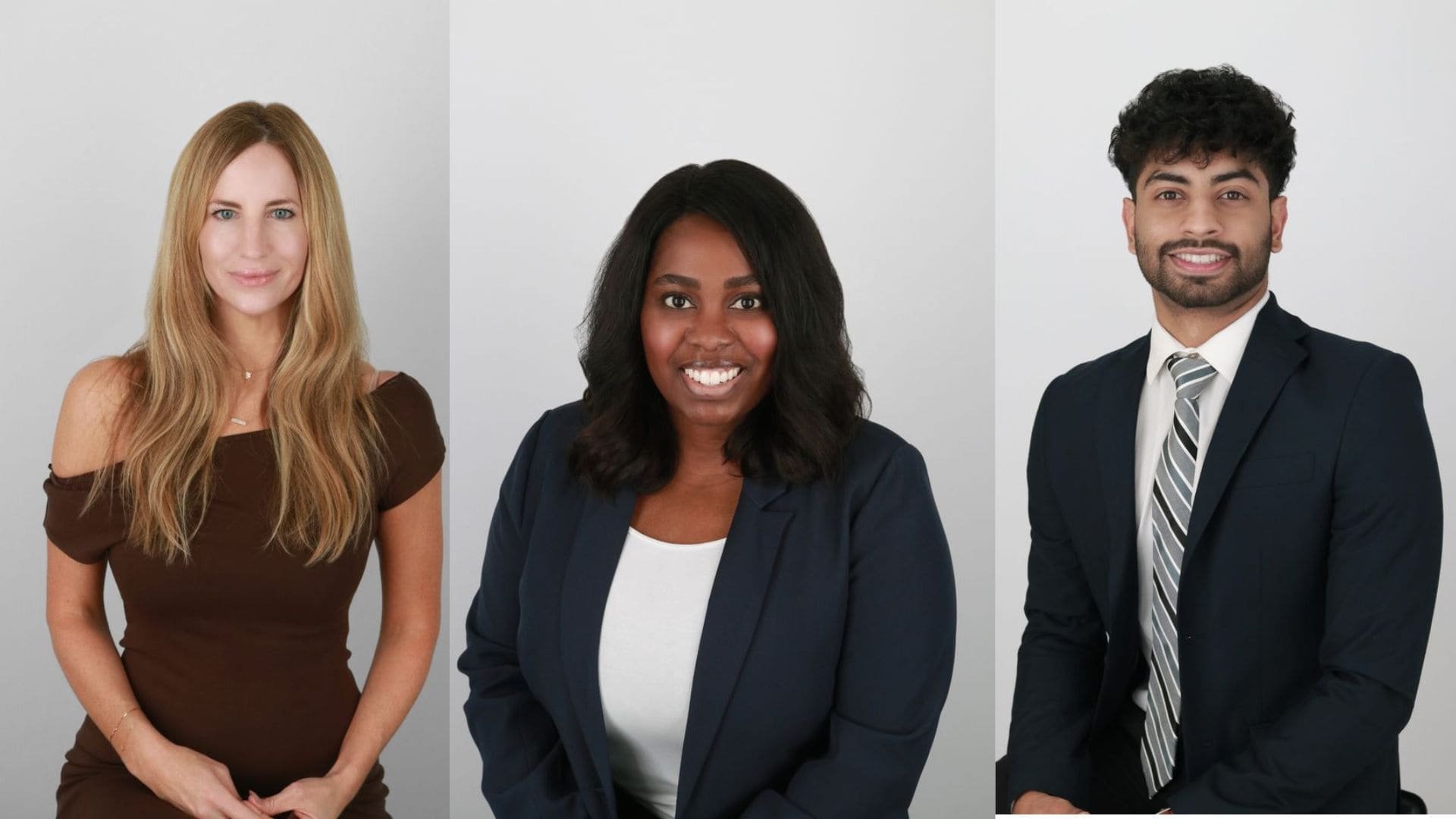
For LinkedIn and corporate directories, you want a blend of professional and approachable. People expect you to look reliable and easy to work with.
A good corporate headshot example:
Neutral or softly blurred background
Head and shoulders crop, with eyes near the top third of the frame
Soft smile or calm neutral expression
Clothing that lines up with your industry (blazer for finance, neat smart casual for tech)
Simple hair and minimal accessories
Founder and Entrepreneur Headshot Examples
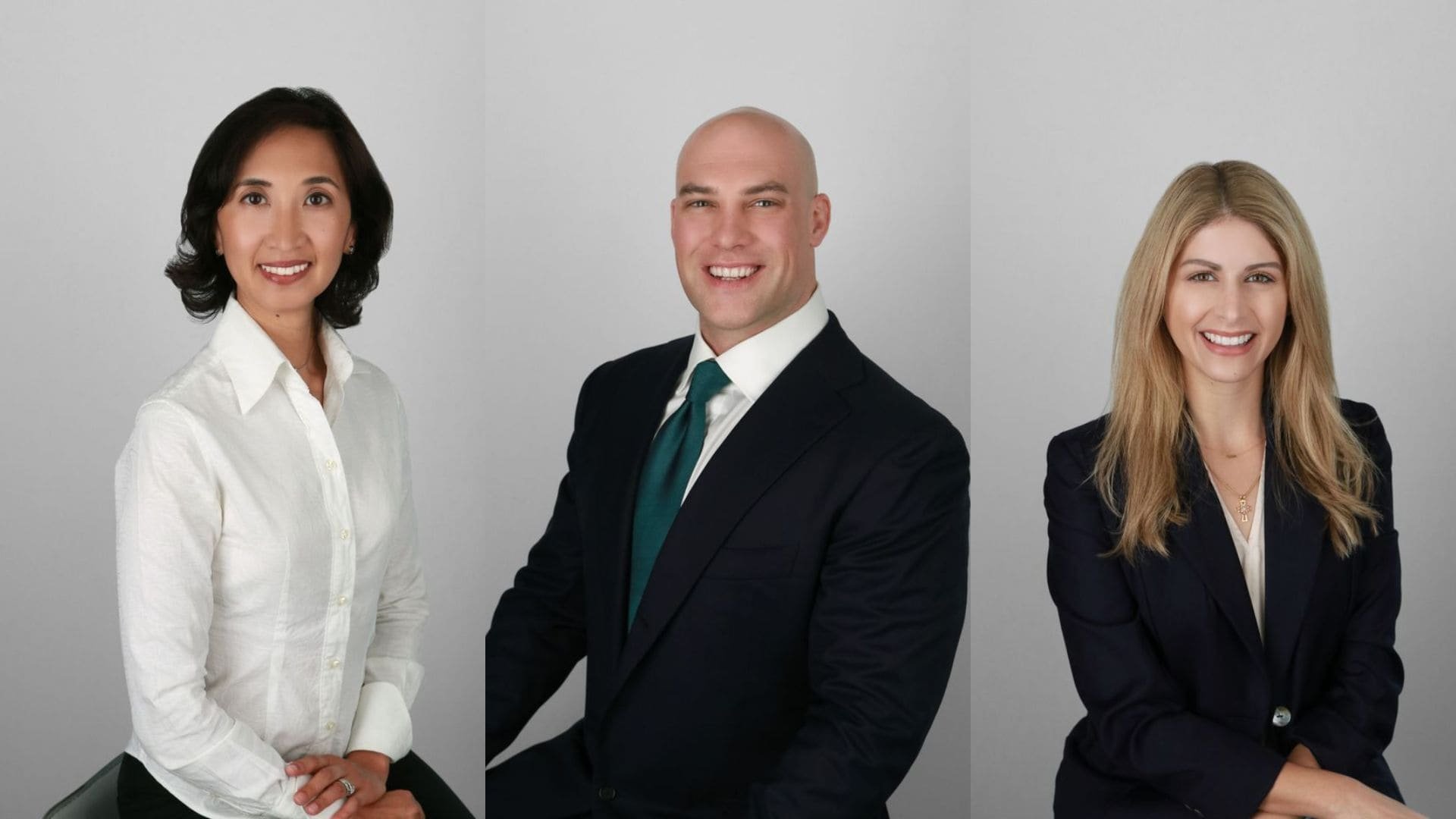
Founders and entrepreneurs often need a slightly more relaxed version of a professional headshot. Your photo appears on “About” pages, press features, and pitch decks, so it has to show both credibility and personality.
A good founder headshot example:
Background that hints at your world (workspace, soft industrial, simple textured wall)
Confident but open expression
Slight lean toward the camera, which adds energy
Clothing that fits your brand positioning (sharp and formal, or modern and casual)
Creative and Personal Brand Headshot Examples
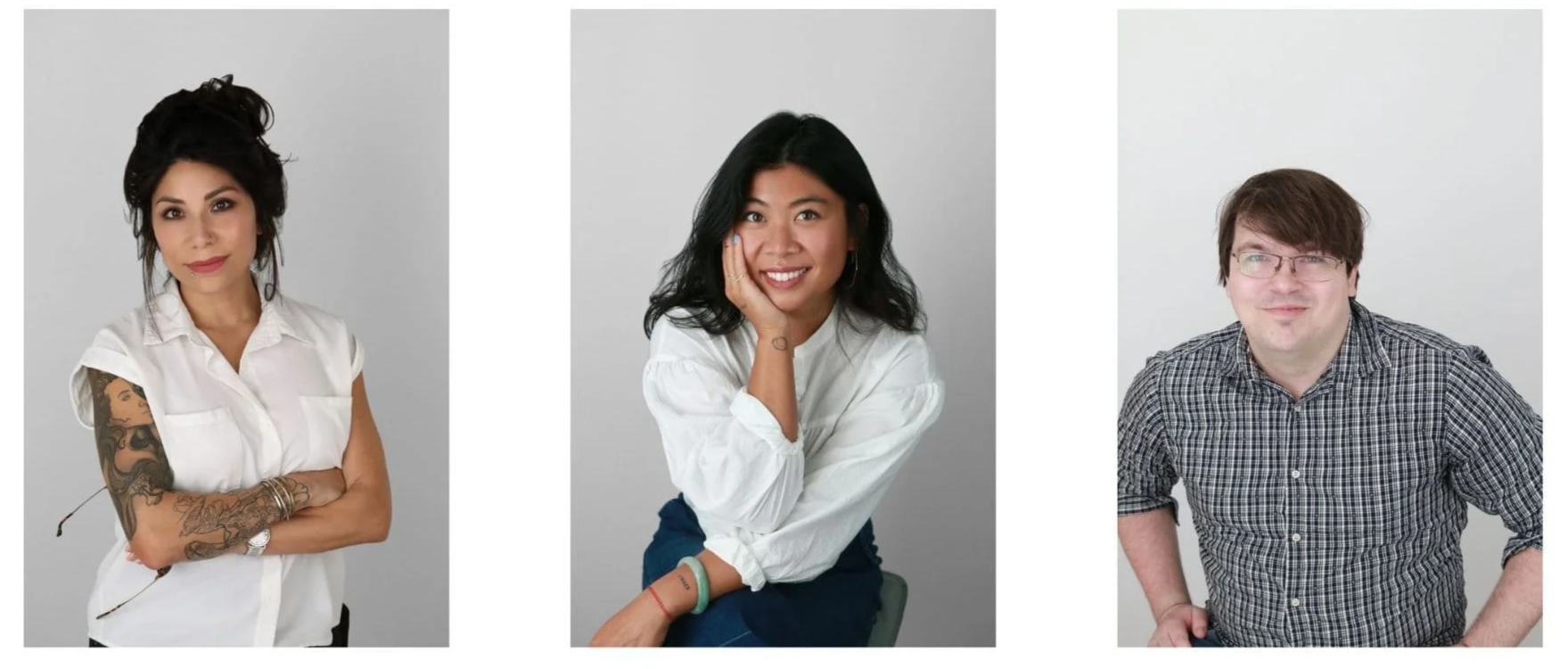
Writers, designers, coaches, and other personal brands often lean toward slightly more expressive photos. You still want clarity, but the mood can be looser.
A good creative headshot example:
A touch more color or texture in the background, still blurred
Slightly angled pose, not perfectly straight on
Expression that matches your style: playful, thoughtful, calm, or bold
Outfit with a bit of texture or pattern, without becoming busy
Actor and Performer Headshot Examples
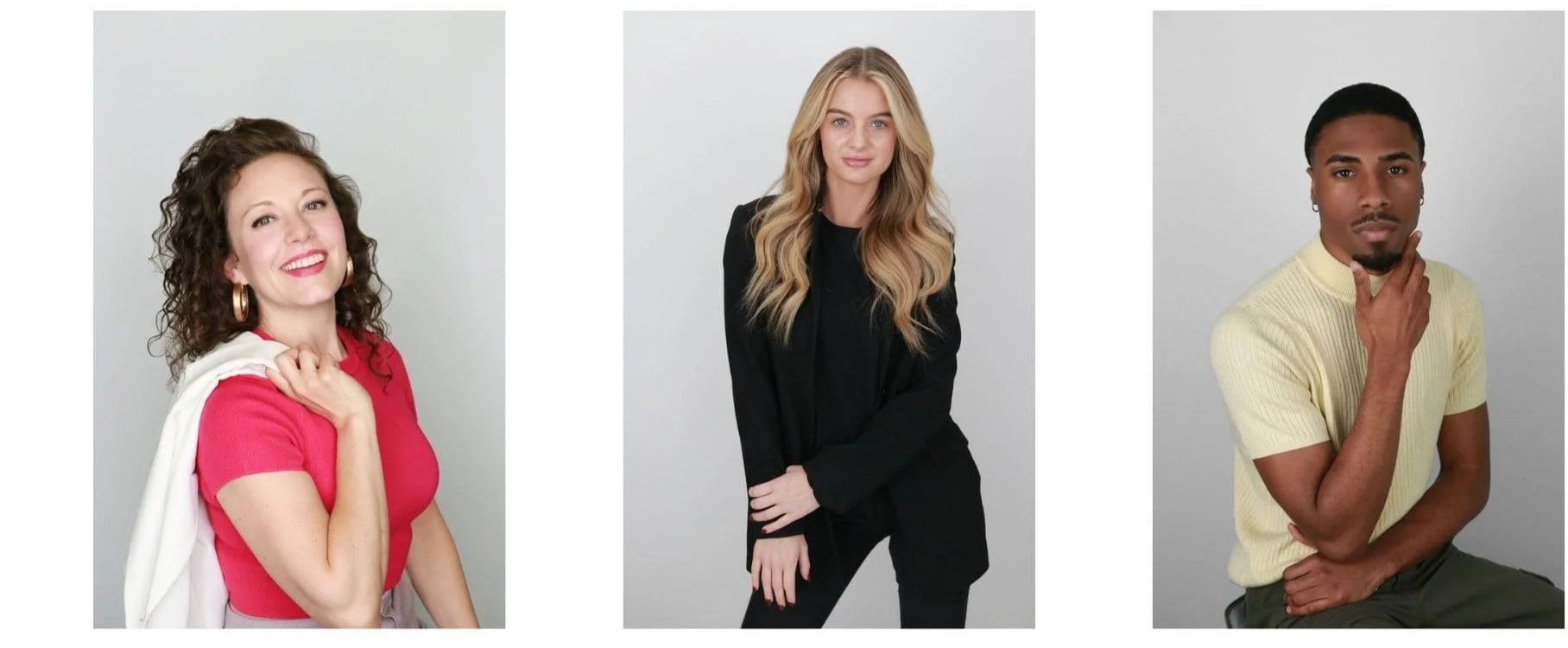
Actor headshot examples focus hard on type and expression. Casting directors read your face in seconds and decide whether you fit a role. Good actor headshots show a clear lane.
A good actor headshot example:
Strong, specific expression (friendly neighbor, sharp professional, grounded hero, etc.)
Clean, even lighting that shows your features without heavy shadow tricks
Simple clothing that supports the type you’re going for
Cropping close enough to see your eyes clearly even as a thumbnail
Remote Team and Company Directory Headshot Examples
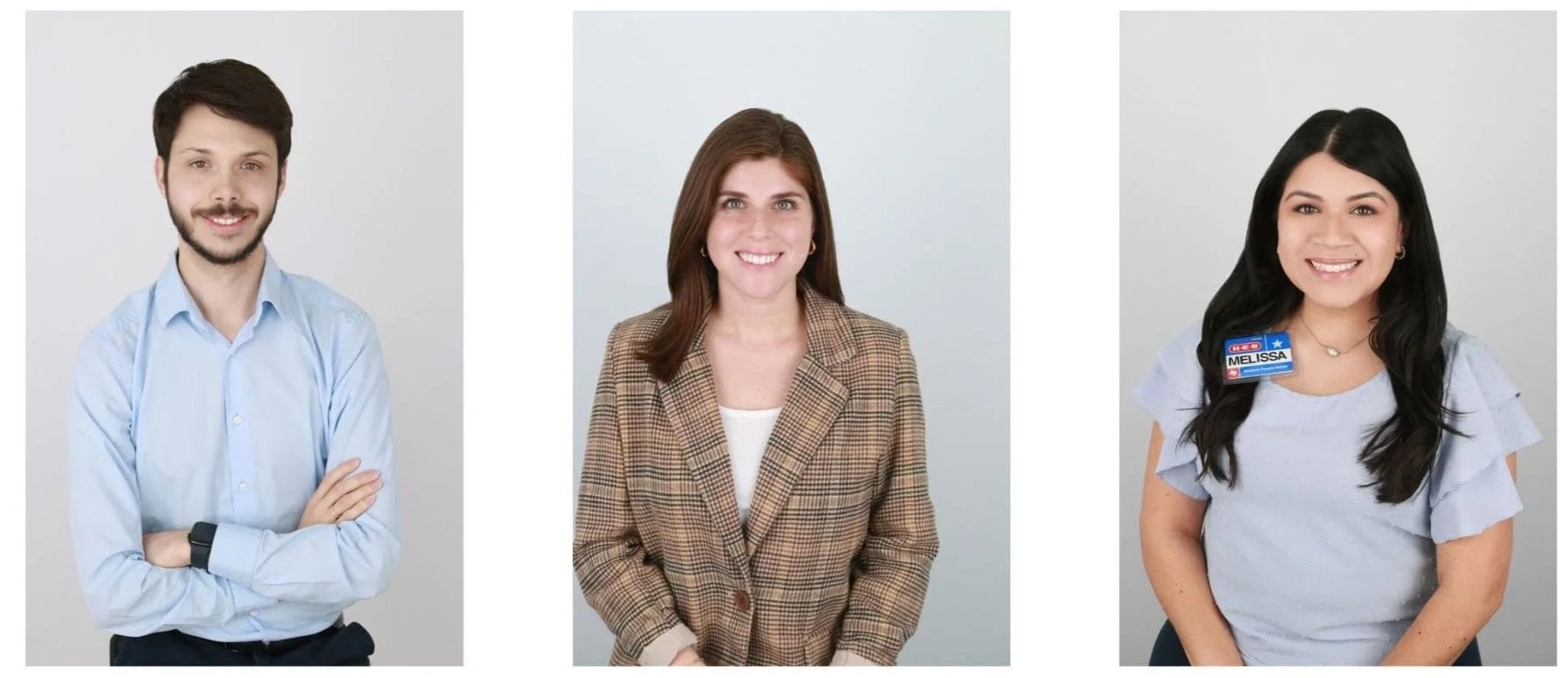
Remote and hybrid teams often want consistent professional headshot examples for internal tools and public team pages. Consistency matters more than fancy locations.
A good remote-team headshot example:
Same background style for everyone on the team
Similar lighting and framing across all photos
Individual personality in expression, within a shared visual system
Easy readability on small video call tiles and staff lists
Good Headshots vs Bad Headshots: Quick Comparison
When you compare good headshot examples to weaker ones, the differences usually sit in the same spots: expression, light, framing, background, and retouching. You do not need to be a photographer to spot them once you know what to look for.
| Element | Good Headshot Example | Weak Headshot Example |
|---|---|---|
| Expression | Relaxed, engaged, fits your role | Stiff, forced smile, blank or worried look |
| Lighting | Soft, even, no harsh shadows under eyes or nose | Dark eye sockets, shiny forehead, patchy or mixed lighting |
| Background | Clean, lightly blurred, simple lines | Busy, crooked, bright colors that pull focus away from your face |
| Framing | Head and shoulders, eyes near top third of the frame | Too wide, odd crop at chin or head, too much empty space |
| Retouching | Light skin cleanup, real texture still visible | Over-smoothed, strong filters, no pores or natural detail |
A good headshot feels easy to look at. You notice the person first, then the setting. In a weak headshot you notice lighting mistakes, awkward expressions, or clutter before you ever connect with the person.
7 Traits All Good Headshot Examples Share
If you study professional headshot examples across industries, the same traits keep showing up. These are the things to focus on before you worry about props, locations, or elaborate styling.
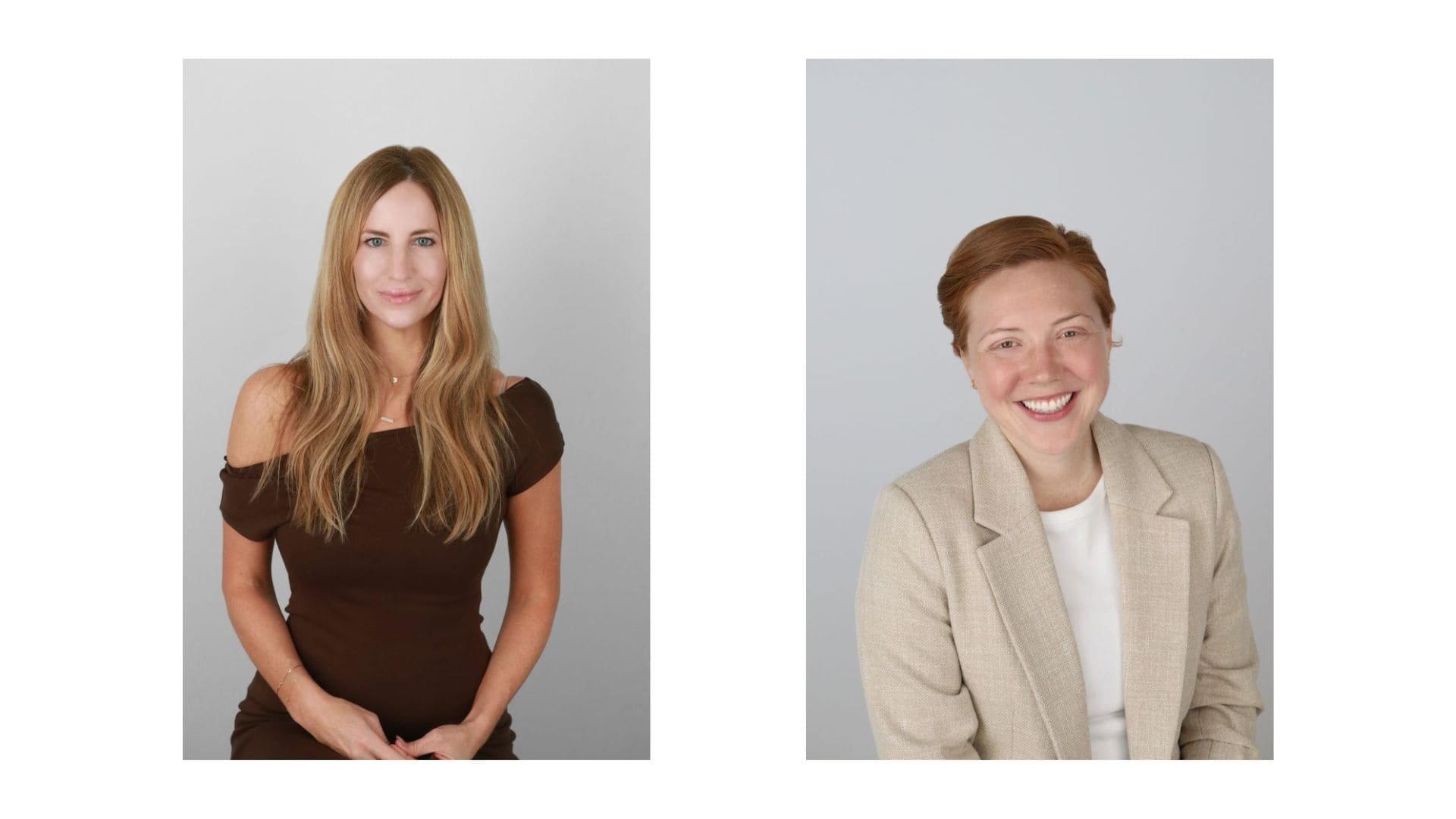
Sharp eyes: The viewer connects with your gaze first.
Relaxed face: No tension in the jaw, forehead, or mouth.
Soft, flattering light: No harsh lines cutting across your features.
Simple, supportive background: No random objects or bright shapes behind you.
Strong crop: Head and shoulders framed in a way that looks good even as a tiny circle.
Role-appropriate clothing: Your outfit matches where you want to show this photo.
Honest retouching: You look refreshed, not transformed into a different person.
Real Good Headshot Examples You Can Copy
You might not have the exact same job as these examples, but you can borrow pieces from each one. Mix background ideas, expression styles, and framing choices to build your own plan.
Example 1: Approachable Tech Lead
You work on engineering or product in a tech company. You want to look smart, reliable, and easy to talk to.
Background: Lightly blurred office or simple wall in neutral tones
Outfit: Plain crew neck or simple shirt, possibly with a casual jacket
Expression: Small, real smile; eyes engaged, no wide grin
Pose: Slight angle of the body with head turned back toward the camera
Why it works: You look like someone people feel comfortable messaging or joining on a call. Nothing in the frame feels stiff or overly formal.
Example 2: Professional but Warm Lawyer
You work in law or another client-facing role that needs trust and calm authority.
Background: Very clean, either solid or softly blurred office interior
Outfit: Well-fitted blazer, simple shirt, minimal jewelry
Expression: Calm, steady gaze; slight smile or neutral mouth
Pose: Straight posture, shoulders relaxed, chin slightly lifted
Why it works: The photo reads as organized and thoughtful. You look like someone who can handle complex work without feeling distant.
Example 3: Creative Director With Personality
You lead brand, design, or content. Your headshot shows up in agency bios and interviews.
Background: Textured wall, studio backdrop, or workspace with subtle elements
Outfit: Simple base layer plus one interesting piece (e.g., jacket, scarf, unique top)
Expression: Confident, slightly playful; relaxed eyes
Pose: Small lean toward the camera, shoulders slightly angled
Why it works: You look creative without looking chaotic. The photo supports a sense of style while staying clean.
Example 4: Commercial Actor Headshot
You want to be cast in friendly, relatable roles in ads and light TV spots.
Background: Outdoor or studio background with gentle blur and soft tones
Outfit: Solid color top that frames your face and matches your “type”
Expression: Open, friendly smile with real warmth in the eyes
Pose: Straight on or slight angle, energy forward
Why it works: Casting can immediately imagine you in everyday roles. The headshot feels welcoming and real.
How to Use These Examples Before Your Next Headshot Session
Looking at good headshot examples is helpful, but you get the most value when you turn them into a short plan.
You can do this:
Save 3–5 example images that feel close to what you want.
Note each image’s background, outfit, expression, and pose.
Circle the traits that repeat across your saved examples.
Decide where your headshot will live first (LinkedIn, company site, actor profiles, portfolio).
Pick one “main look” and one “alternate look” instead of trying to cover everything at once.
Show your examples to whoever is taking your photo or bring them into your Studio Pod session. That way you are not guessing on the day. You already know the feeling you want.
How to Recreate These Good Headshot Examples With Studio Pod
Good headshots come down to light, composition, and expression. Studio Pod is built to handle the first two for you, so you can focus on the third.
Inside a Studio Pod, the lighting is already set at flattering angles for head and shoulders portraits. You do not have to move stands, test flashes, or guess at brightness. Guided prompts on the screen walk you through small adjustments: tilt your head, soften your jaw, relax your shoulders, shift your angle. In a single 15-minute session, you can capture several looks that line up with the examples in this guide.
You might do:
A clean LinkedIn-style shot with a neutral background
A slightly more relaxed founder or creative look
A tighter crop that works well as an actor or speaker image
After your session, you review your photos and can download them right away, without waiting for a long editing process.
If you want headshots that look like the good headshot examples you keep saving, but you do not want to coordinate a full studio shoot, booking a Studio Pod session gives you an easy way to get there.
FAQs
What does a good headshot look like?
A good headshot shows your face clearly, uses soft light, keeps the background simple, and fits the kind of work you do. You look like yourself on a good day, not like a heavily filtered version.
What makes a headshot look unprofessional?
Harsh lighting, cluttered backgrounds, stiff expressions, and heavy filters can all make a headshot look weak. If your eyes are dull or the photo looks more like a party snapshot than a portrait, it will not read as professional.
Do I need more than one headshot?
You do not need dozens of photos. One main headshot is enough for most people. If you work across very different spaces (for example, corporate consulting and acting), you might want a few distinct looks.
Should headshot examples always use a blurred background?
A blurred background helps isolate your face, but it is not the only option. The key is to keep whatever sits behind you simple and supportive. If you see shapes and objects before you see your eyes, the background is too busy.
How often should I update my headshot?
Update when you noticeably change your hair, facial hair, or glasses, or when your current photo is more than a few years old and no longer feels accurate. People should recognize you quickly when they meet you.
Can I use a phone photo if it looks good?
A clean, well-lit phone photo can work for some uses, but for long-term, multipurpose headshots, a dedicated session in a space like Studio Pod gives you more control, better lighting, and more consistent results.


