

Your headshot is often the first impression someone gets of you, before a handshake, before a conversation, before they’ve read a single word of your bio. And yet most people treat it like an afterthought. The truth is, the “right” headshot isn’t universal.
In most sessions we shoot, the biggest disconnect comes from people choosing a style they personally like instead of one that fits their industry.
What works for a corporate attorney in Dallas would look completely off for a lifestyle coach in Austin. Choosing the right style comes down to your industry, your audience, and the specific trust signals you need to communicate.
Here’s how to get it right.
Why Your Industry Determines Your Headshot Style
Every industry has an unspoken visual language. When we work with clients across different fields, this is usually the first thing we have to recalibrate. What feels “professional” to them isn’t always what their audience expects.
Your audience, whether that’s a hiring manager, a potential client, or a new follower, already has expectations before they meet you. A polished, dark-background studio shot signals authority and professionalism. A relaxed outdoor shot in natural light signals approachability and creativity.
Neither is better in absolute terms. What matters is whether your headshot matches what your audience expects to see.
When your photo aligns with industry norms, it builds instant trust. When it doesn’t, something feels subtly off, even if the viewer can’t articulate why. That friction, small as it seems, can cost you a client, a job offer, or a follow-up.
The 3 Elements That Define Your Headshot Style
Before you book a photographer or pick an outfit, get clear on these three variables. They do more of the work than most people realize.
Background (Studio vs Environmental)
A clean studio background, white, gray, or dark, keeps the focus entirely on you. It reads as polished and controlled, which works well in formal industries. We see this most often with clients in finance and law, where even small distractions in the background can make a photo feel less credible.
An environmental background (a workspace, outdoor setting, or branded location) adds context and personality. It says something about where you operate and how you work. The choice should reflect your industry’s expectations, not just your personal preference.
Wardrobe (Credibility Signals)
What you wear in your headshot communicates your level of formality and your positioning within your field. A tailored blazer signals authority. In practice, clients are often surprised by how much a small wardrobe change, like switching from a casual shirt to a structured jacket, completely shifts how “senior” they look in a photo.
A smart casual look, open collar, relaxed layers, signals accessibility. In highly visual industries, wardrobe can also reflect creativity. The rule of thumb: dress for the client you want, not the Friday afternoon you prefer.
Expression (Trust Factor)
A warm, approachable smile works across almost every industry. But in sessions, we often find people either overdo it or hold back too much, and the difference between those two can completely change how trustworthy they appear.
Finance and law often favor a more composed, confident expression, professional, not stiff. Creative and personal brand roles benefit from something more open and energetic. Your expression sets the emotional tone of the first impression, so don’t leave it to chance. Work with your photographer to land the look that feels both genuine and strategically right.
Headshot Style by Industry
A headshot that works brilliantly for a creative director can make a corporate lawyer look unprofessional, and vice versa. The same photo doesn’t land the same way across every industry, and getting that wrong costs you trust before you’ve said a word.
Corporate, Finance, Law, Healthcare
These industries demand credibility above all else. This is where we’re usually dialing things back, simplifying the background, refining posture, and removing anything that could distract from a sense of competence.
So, go with a clean studio background, conservative wardrobe (dark suits, classic colors), and a composed, confident expression. Avoid anything too casual or overly stylized. Your audience is assessing your trustworthiness in seconds, and a formal, high-quality headshot reinforces that you take your work and their trust seriously.

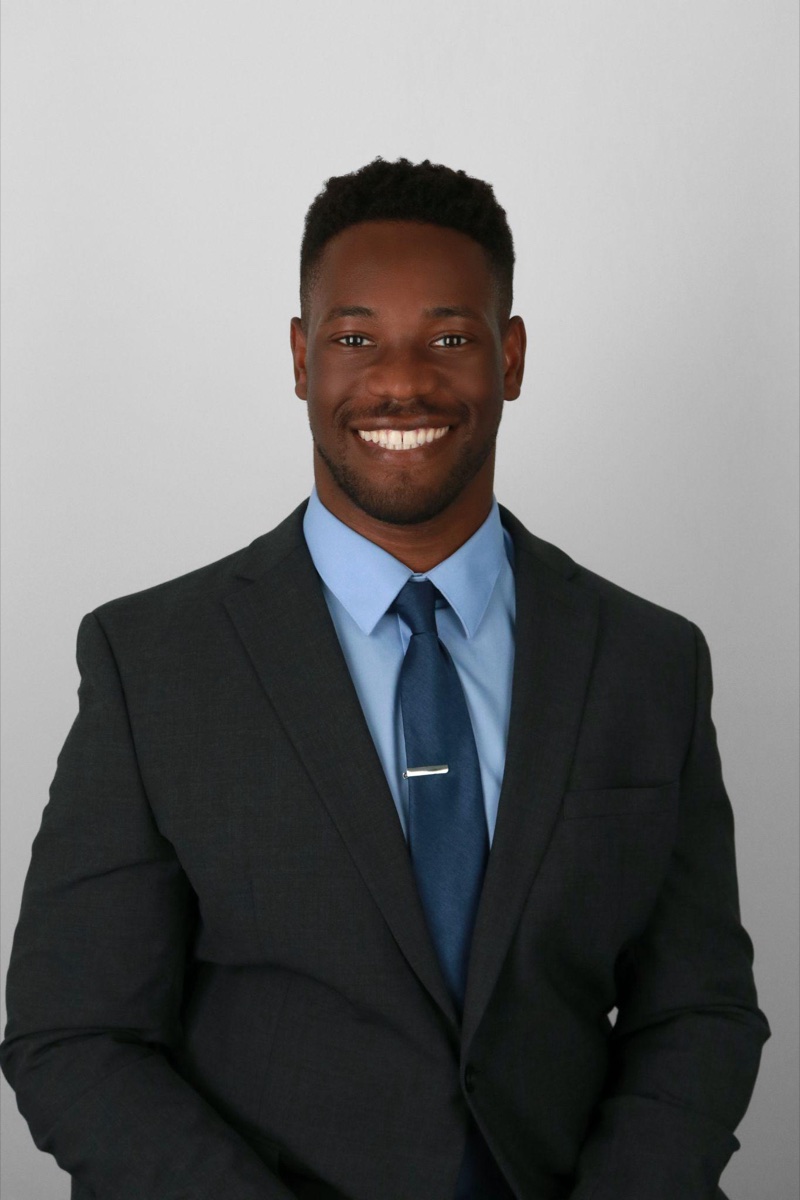
Tech, Startups, Consultants, Founders
This space sits between polished and approachable. You want to look competent without being stiff. A neutral or lightly blurred environmental background works well here. Business casual attire, a well-fitted shirt or smart jacket without a tie, tends to hit the right tone. The expression should be confident and forward-looking. You’re signaling that you’re sharp, capable, and easy to work with.

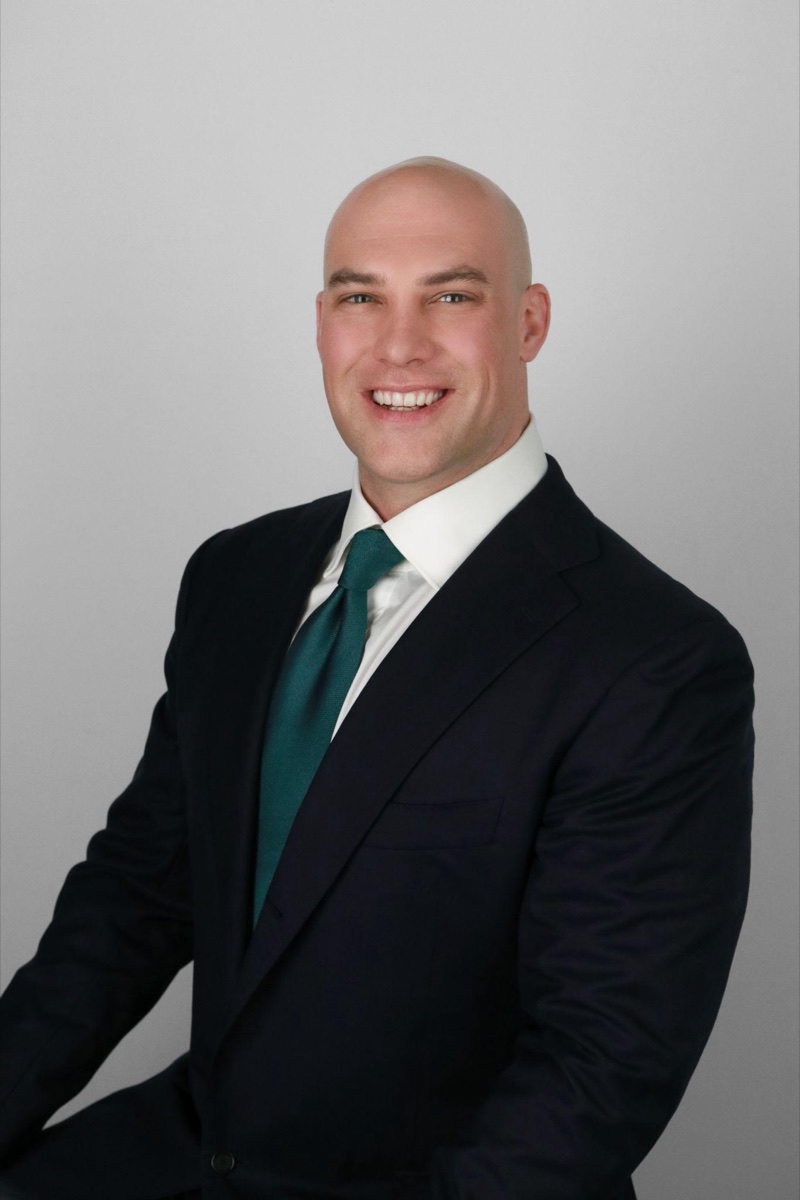
Creative Industries
Here’s where you have more latitude. Environmental shots, creative backgrounds, and bolder wardrobe choices can all work in your favor, as long as they feel intentional, not random. Your creative headshot is part of your portfolio in a way that it isn’t for other industries. Personality and visual storytelling matter. That said, clarity still wins: a strong, well-lit shot of you should always be the priority.
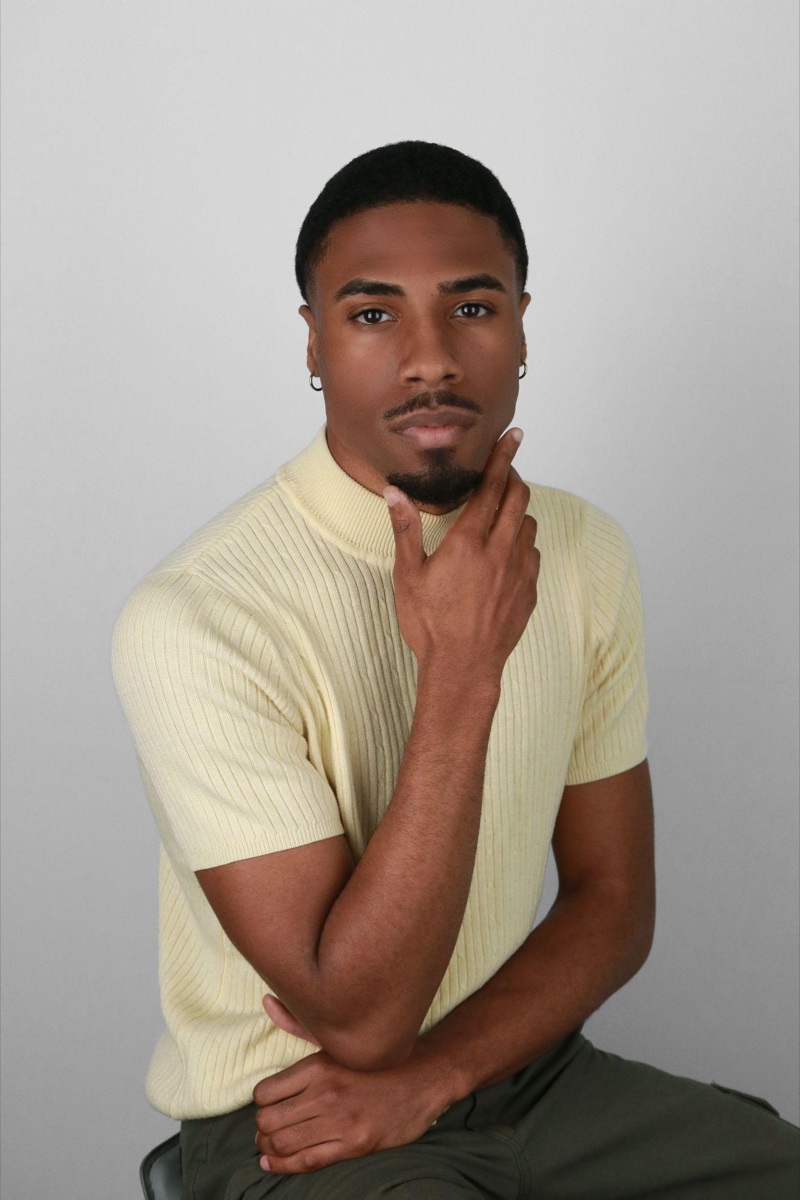

Personal Brands
Your headshot needs to feel like you, not a corporate version of you. Authenticity is the trust signal here. Warm, natural lighting, expressive body language, and a genuine smile go a long way. Location matters too: a setting that reinforces your brand (a speaking stage, a gym, an outdoor setting) can add powerful context. The goal is for someone to look at your photo and immediately feel like they know what you’re about.


How to Know If You’re Choosing the Wrong Style
A few honest signals that your headshot might be working against you. These are patterns we see all the time when reviewing outdated or mismatched headshots:
- It looks like a different industry. A finance professional with a casual beach photo, or a yoga instructor in a boardroom-stiff pose, both send mixed messages.
- The feedback is lukewarm. If people say “nice photo” but nothing more specific, it’s probably not doing the job it should.
- Your photo and your bio feel disconnected. Your written voice and your visual identity should reinforce each other. If they don’t, something’s off.
- It’s outdated. If your headshot is more than 3–4 years old, or no longer looks like you, it’s time for a refresh. Trust depends on recognition.
If any of these ring true, don’t wait to fix it. A new headshot is a low-cost, high-impact update.
A Simple Framework to Choose Your Headshot Style
Use these four questions to guide your decision. This is the same framework we use when planning sessions with clients who want their headshots to actually perform, not just look good.
- Who is your primary audience? Are they hiring managers, potential clients, social media followers, or referral partners? Picture one specific person and ask what would make them trust you on sight.
- What’s your industry’s visual norm? Look at the LinkedIn profiles of people who are successful in your field. Notice patterns in background, wardrobe, and expression. You don’t have to copy them; you just need to speak the same visual language.
- What’s your unique positioning? Are you the most experienced? The most creative? The most relatable? Your headshot should reinforce that angle without trying to be everything at once.
- Where will this photo be used? A LinkedIn profile, a speaker bio, an Instagram page, and a law firm website all have different contexts. If you need one headshot to work across multiple channels, aim for the style that best fits your primary platform.
Final Thoughts
Your photo is working for you or against you every time someone pulls up your profile, your website, or your proposal. Getting it right means understanding your industry’s expectations, knowing your audience, and making deliberate choices about every visual element.
Take the framework above, book your session, and treat your headshot like the professional asset it actually is.


