

You know that moment right before a headshot when your body forgets how to act normal? Your shoulders tense up, your smile starts feeling fake, and suddenly your hands feel like they’ve never had a job before.
If you’ve got a shoot coming up for a company bio, LinkedIn profile, or personal branding update, feeling uneasy in front of the camera is completely normal.
The good news is that most of that stress can be reduced before you even step into the studio. Let’s go over how you can do it.
Why Being Photographed Feels So Uncomfortable
Most people know their mirror face better than their photo face. That’s why headshots can feel strange at first. A mirror shows the flipped version you see every day. A camera does not. So when you look at the photo, your brain may pause for a second. It can feel unfamiliar, even when everyone else thinks it looks like you.
There’s another layer too. A headshot can feel personal. You’re trying to look approachable, capable, confident, and professional in a single frame. That pressure alone can make people tense up before the camera even comes out.
The Mistake That Makes Camera Anxiety Worse
Plenty of people do this before a shoot. They look through old photos, find the ones they hate, then start picking themselves apart. By the time they arrive, they’re already bracing for bad photos instead of giving the session a fair chance. That mindset tends to follow them into the session.
Instead, focus on the feeling you want the photo to give off. Maybe you want to look approachable. Maybe calm and confident. Maybe warm and professional. Walking in with a clear direction works far better than obsessing over details nobody else notices.
11 Ways to Feel More Comfortable Before a Headshot
These tips aren’t about pretending to be someone else. They help you relax enough for your real personality to come through naturally.
1. Stop Chasing the Idea of Being “Photogenic”
People who look good in photos usually aren’t controlling every expression or angle. They’re relaxed. That’s what reads well on camera.
You don’t need to become a different version of yourself. You just need to stop overthinking every second.
2. Wear Clothes You Already Feel Good In
A brand-new outfit can create problems you didn’t expect. Maybe the fabric wrinkles strangely. Maybe the collar sits awkwardly. Maybe you spend the whole session adjusting it.
Go with something familiar. Choose clothing that already makes you feel comfortable and confident. That comfort often shows up in posture and expression.
3. Focus on Relaxing Instead of “Perfecting” Your Smile
A forced smile usually looks forced. People can spot it immediately.
Rather than practicing expressions in the mirror for an hour, work on relaxing your face and body. Lower your shoulders. Unclench your jaw. Take slow breaths. Once the tension fades, natural expressions come more easily.
4. Arrive Early
Rushing into a studio stressed and out of breath rarely leads to strong photos.
Give yourself extra time. Sit quietly for a few minutes. Drink water. Listen to music. Let your nervous system settle before the session begins.
5. Listen to Music That Puts You in a Better Mood
Music changes energy quickly. A playlist you love can help you feel calmer, lighter, or more confident before the shoot.
The genre doesn’t matter. Pick whatever genuinely shifts your mood in a positive direction.
6. Tell the Photographer You’re Nervous
Photographers hear this constantly.
Saying “I’m awkward in photos” or “I’m nervous” actually helps. It opens the conversation and removes pressure. A good photographer knows how to guide people through that discomfort without making the session feel stiff or uncomfortable.
7. Focus on the Photographer, Not the Lens
The camera itself doesn’t matter nearly as much as the interaction happening behind it.
Talk during the session. Ask questions. Respond naturally. Many of the best headshots happen during small moments between poses, right when people stop thinking about being photographed.
8. Keep Moving Instead of Holding Frozen Poses
Stiff poses often look stiff.
Small movements make a huge difference. Shift your weight slightly. Turn your shoulders. Take a breath. Reset your posture between frames. Tiny adjustments help expressions look more natural.
9. Stop Looking for Flaws Nobody Else Notices
Most people spend far more time studying their own appearance than anyone else ever will.
The tiny asymmetries you obsess over usually aren’t what people focus on in a headshot. People notice your eyes, your expression, and the overall feeling the photo gives them.
10. Accept That the First Few Minutes Might Feel Weird
Almost nobody feels fully comfortable at the beginning of a shoot.
The opening part of the session is usually a warm-up. The photographer is learning your angles and expressions. You’re adjusting to the environment. Once that adjustment period passes, things usually become much easier.
11. Let the Photographer Guide the Session
You hired someone for a reason.
Trying to control every angle, expression, or pose at the same time usually creates more tension. Trust the direction you’re being given and focus on staying relaxed instead of constantly judging yourself.
What a Professional Headshot Photographer Actually Does
A strong headshot photographer does far more than click a button.
They adjust lighting to flatter your features. They watch body language. They notice subtle expression changes. They keep conversations flowing naturally, so you stop focusing on the camera itself.
Good photographers know how to create an environment where people loosen up without even realizing it.
How Studio Pod Helps People Feel More Comfortable on Camera
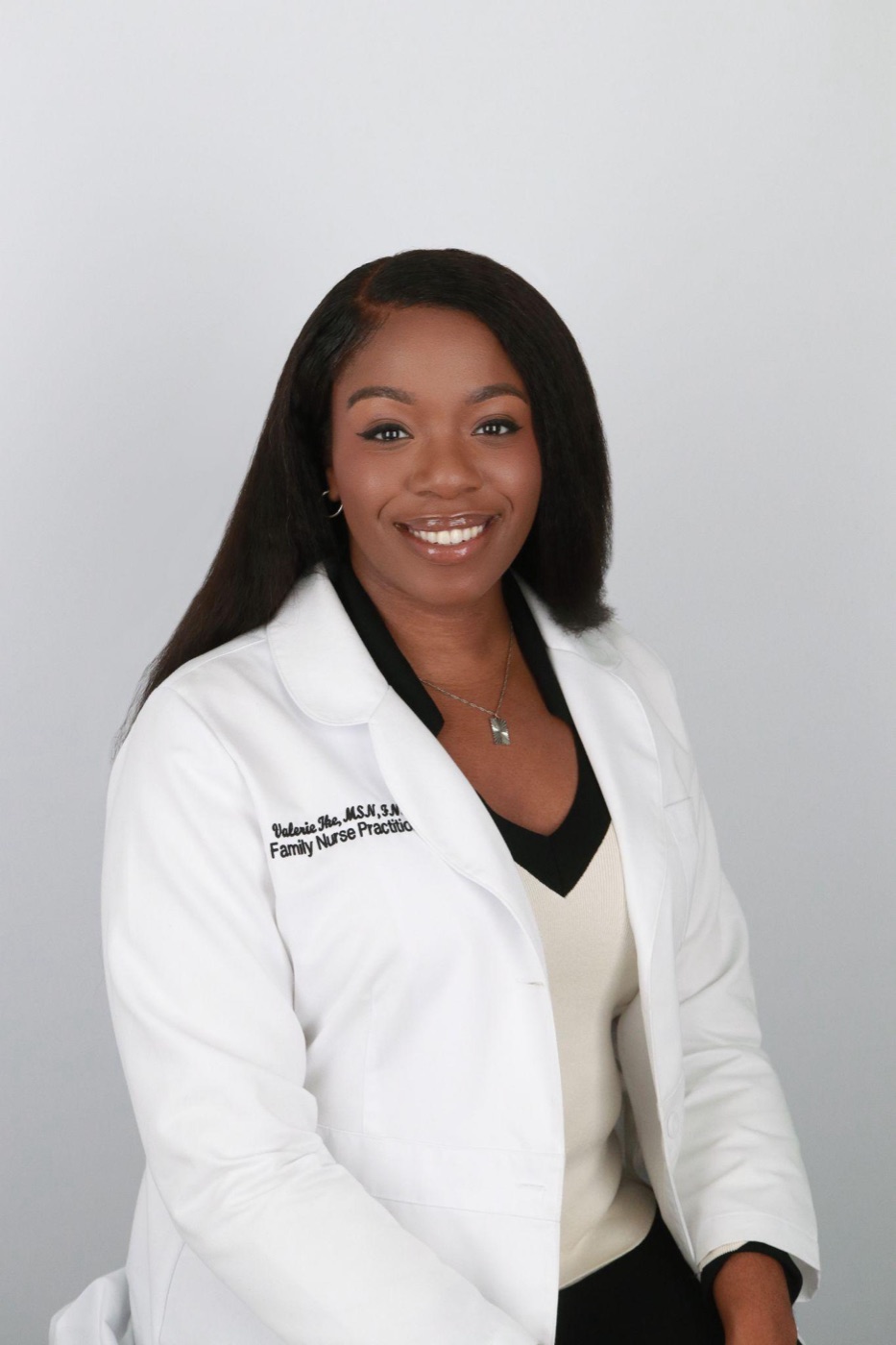
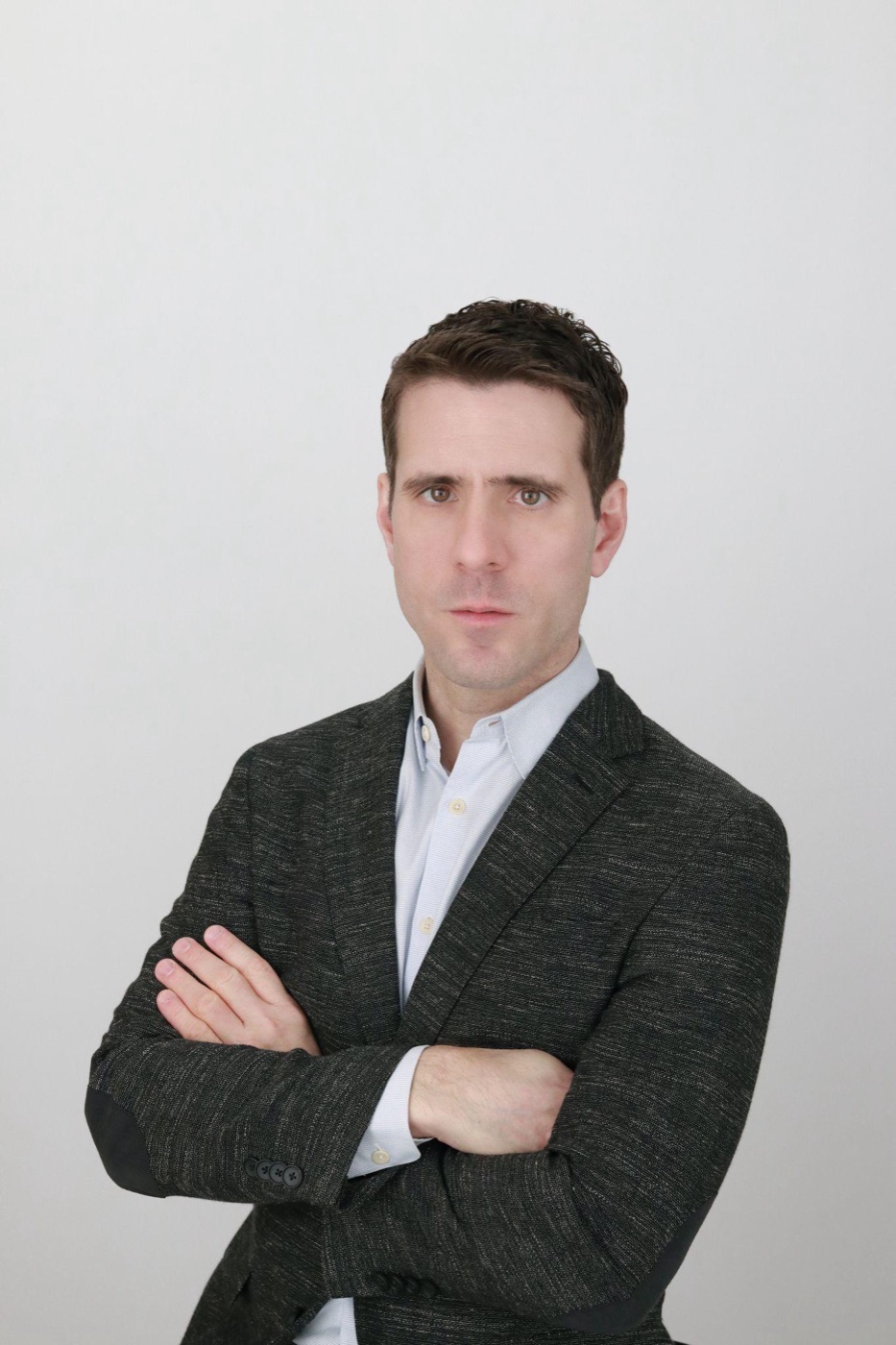
A lot of camera anxiety comes from feeling judged, rushed, or unsure about how the photos are turning out. Studio Pod removes much of that pressure by giving people more control over the experience.
Instead of standing in front of a photographer the entire time, users move through the session at their own pace inside a self-service professional studio. The setup uses studio-grade lighting and a professional camera system, so the photos still look polished and high quality without the pressure that often comes with a traditional shoot.
Final Thoughts
Camera anxiety is common, especially during professional headshots. Most people are not used to being photographed, and that discomfort can show up before the session even starts.
The good news is that a relaxed environment changes a lot. When you can slow down, see your photos in real time, and stop worrying about getting every detail perfect, the experience starts to feel much more natural.
Studio Pod was built to make professional headshots easier, faster, and less stressful for people who normally feel awkward in front of a camera. If you’ve been putting off updating your headshot, book a session with Studio Pod and try a simpler approach to professional photos.


