
The best office building amenity ideas solve a real tenant problem, fit naturally into the workday, and do not create a second job for the property team. A beautiful room can sit empty. A modest program that saves time, supports professional growth, or creates a useful reason to come downstairs can become part of the building's identity.
This guide covers 15 practical amenities for commercial office properties, from daily conveniences to scheduled lobby activations. It also includes a framework for choosing the right mix and measuring whether tenants are using it.
What makes an office building amenity useful?
Usefulness matters more than novelty. JLL's guidance on office amenities emphasizes quality and activation rather than simply adding more spaces. Research on activating office building common areas reaches a similar conclusion: programming gives shared space a reason to be used.
Before adding an amenity, ask five questions:
- Does it solve a problem tenants already have? Convenience, time savings, professional growth, health, and access are stronger foundations than novelty alone.
- Can people use it during a normal workday? The fewer schedule changes and extra trips required, the better.
- Is the operating burden clear? Staffing, booking, setup, maintenance, communication, and reporting all need an owner.
- Can the property team measure participation? Registration, completed visits, repeat use, tenant-company reach, and feedback are more useful than anecdotal enthusiasm.
- Will it still feel relevant after launch week? Some amenities should work every day. Others need a planned cadence to stay useful.
| Amenity type | Best use | Property-team consideration |
|---|---|---|
| Permanent space | Daily needs such as fitness, meetings, focus, and food | Capital cost, maintenance, access, and utilization |
| Recurring program | Wellness, learning, networking, and professional services | Calendar, vendor ownership, registration, and reporting |
| Seasonal activation | Tenant appreciation, holidays, and community moments | Promotion, turnout, staffing, weather, and cleanup |
| On-demand service | Convenience benefits used at different times | Booking, security, service standards, and tenant communication |
15 office building amenity ideas
1. Professional headshot days
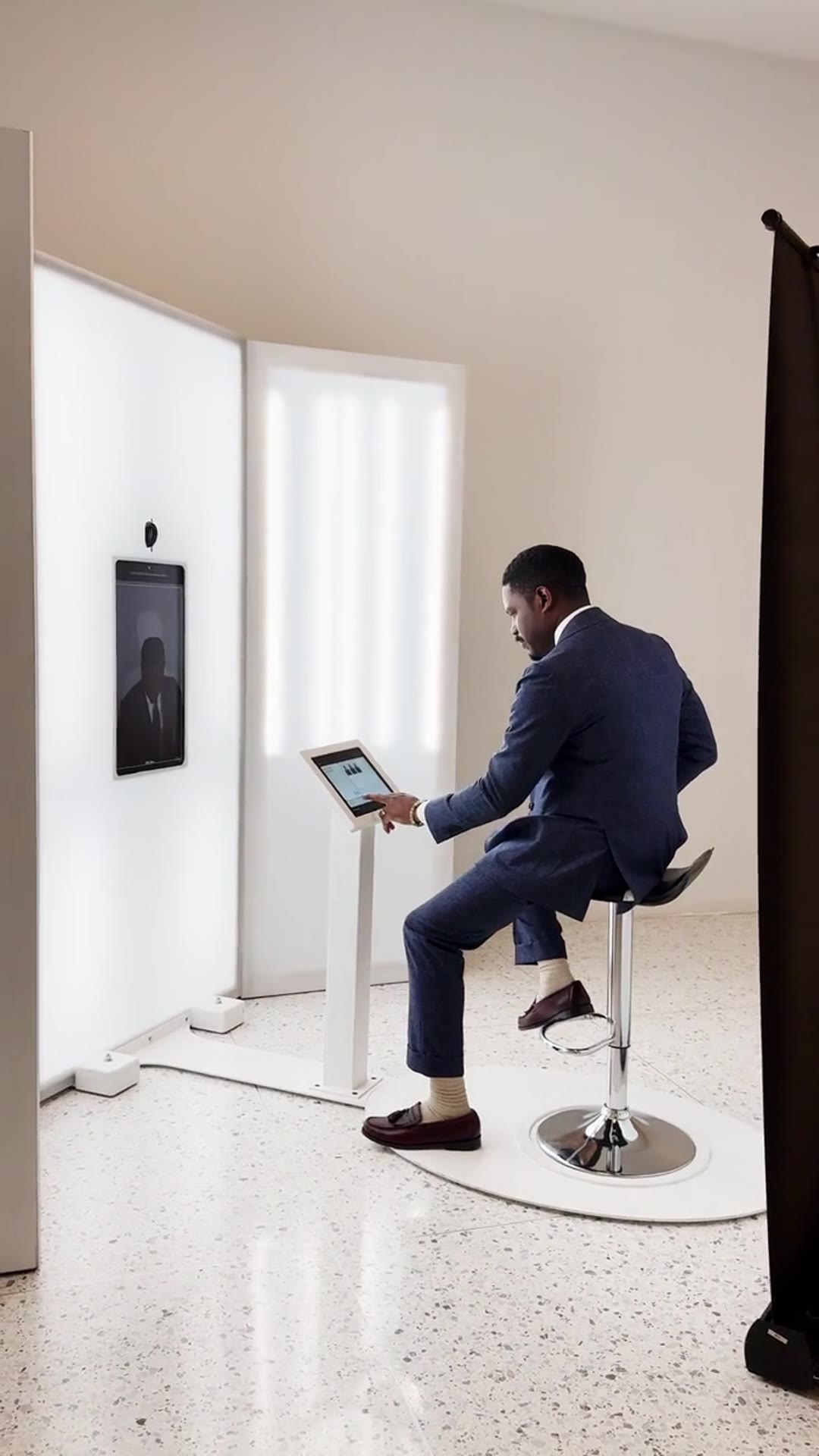
A professional headshot program gives tenants something they can use for LinkedIn, company directories, recruiting, press, speaking engagements, and personal branding. It works especially well in a lobby, conference center, tenant lounge, or other shared area because people can participate without leaving the building.
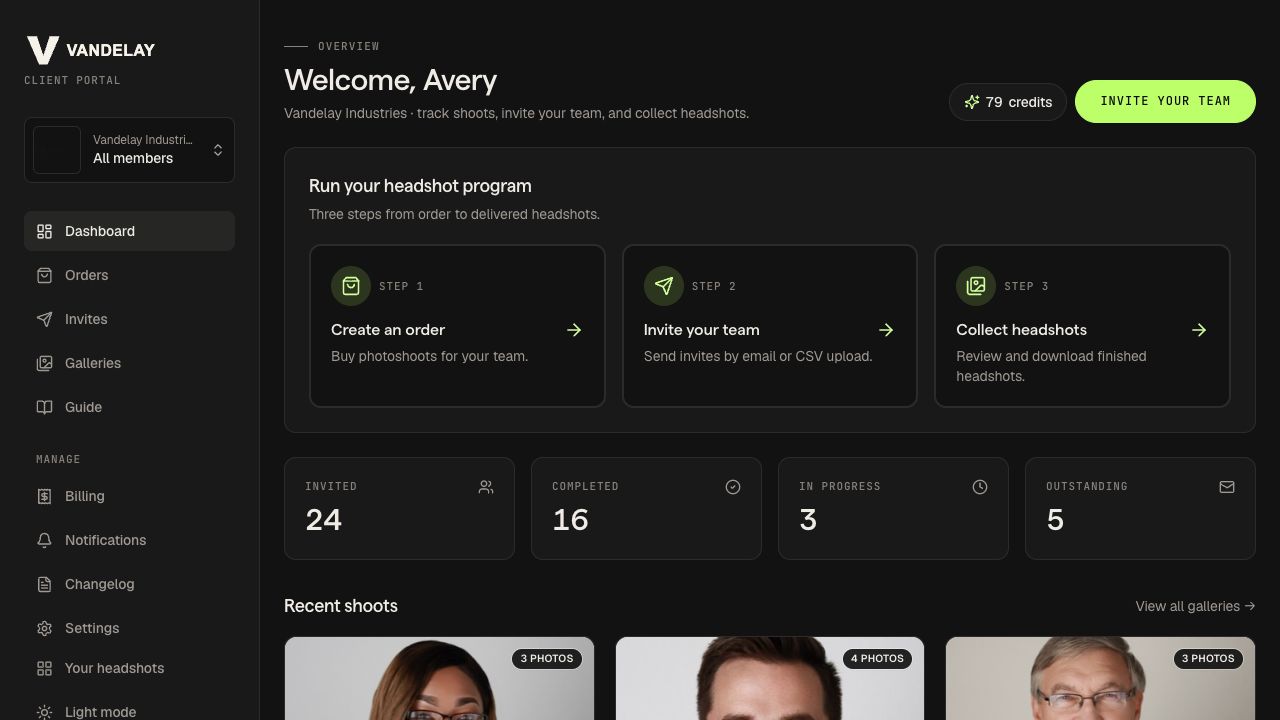
The logistics matter as much as the camera. In Studio Pod programs, the property selects the dates, tenants use a booking or QR flow, each person completes a guided session, and the finished images go to a personal gallery. The property team receives a program recap instead of managing image delivery. See how a managed tenant headshot event is structured, or use our office headshot-day planning guide to prepare the internal schedule.
2. Rotating coffee and food pop-ups
A breakfast cart, local coffee partner, seasonal snack bar, or rotating lunch vendor creates an easy reason to enter a shared space. These programs are familiar, quick to understand, and accessible to tenants who may not attend a longer event.
Choose vendors that can serve people quickly and collect reliable attendance counts. A rotating calendar also gives building communications something useful to promote without making every activation feel identical.
3. Fitness classes with a dependable schedule
A fitness room becomes more useful when tenants know what happens there and when. Yoga, mobility, strength, and short lunchtime classes can activate existing space without a major buildout.
Consistency is more important than variety at the beginning. Start with one well-attended time, track registrations and no-shows, then expand based on actual use.
4. Preventive health and wellness services
Flu-shot clinics, biometric screenings, ergonomic consultations, and short mental-health programs can save tenants a separate appointment. The strongest versions have a qualified provider, private booking, clear consent practices, and defined handling of personal information.
5. Cross-tenant networking
Multi-tenant buildings contain companies that may never meet one another. Structured breakfasts, industry roundtables, newcomer introductions, and small leadership sessions can create useful connections without turning the event into an unfocused mixer.
Give every gathering a reason to exist. A topic, shared business problem, or defined participant group usually produces better conversations than a generic invitation to network.
6. Professional-development workshops
Short sessions on public speaking, LinkedIn, cybersecurity, AI tools, personal finance, management, or presentation design offer practical value. They can also feature expertise already present within tenant companies.
Keep the format tight. A 30-minute session with a clear takeaway is easier to attend during the workday than an open-ended seminar.
7. Mobile concierge services
Dry cleaning pickup, tailoring, shoe care, car detailing, notary appointments, shipping help, and device repair all trade on convenience. These services work best when access, pricing, security, and pickup windows are clear before they are promoted.
8. Flexible meeting and presentation rooms
Bookable rooms help smaller tenants host board meetings, interviews, training, and client presentations without maintaining the space inside their own suite. Reliable Wi-Fi, video conferencing, simple booking, and clear support rules matter more than decorative features.
9. Quiet rooms and short reset spaces
Not every shared amenity needs to create a crowd. A quiet room, library-style focus area, wellness room, or private phone space can support people who need a short break from an open office.
These rooms need strong etiquette and access rules. Without them, a quiet space can quickly become another meeting room.
10. Outdoor work and gathering areas
Terraces, courtyards, and shaded seating can support work, lunch, and small events. Wi-Fi, power, shade, furniture, weather planning, and a visible calendar determine whether the space becomes useful or remains scenery.
11. Commuter support and bike services
Secure bike storage, repair days, tire checks, lockers, changing rooms, transit information, and occasional shuttle service help remove friction from the trip to work. BOMA's overview of modern tenant amenities includes transportation access as part of the broader tenant experience.
12. Community and volunteer programs
Donation drives, blood drives, school-supply collections, mentoring, and local nonprofit partnerships give tenants a shared way to contribute. Publish the result afterward so participants can see what the building community accomplished together.
13. Family-support services
Backup-care information, school-break resources, parent groups, caregiver workshops, and occasional family events recognize that the workday is connected to life outside the office. Survey tenants before building a program because needs can vary sharply by property.
14. Local markets and maker pop-ups
A small market featuring nearby food, flowers, gifts, or services can bring local character into the building. Curate the mix, manage loading and payment logistics, and avoid filling the lobby with vendors who do not match tenant interests.
15. Tenant welcome and onboarding programs
New tenants need more than keys and a building manual. A useful welcome program introduces amenities, booking systems, security procedures, neighborhood resources, property contacts, and upcoming events. It can include a welcome breakfast or a recurring orientation for new employees entering the building.
How to choose the right amenity for your property
Start with the tenant mix
A downtown tower, suburban campus, medical office building, and coworking community will not use the same program in the same way. Look at company size, industries, work schedules, existing shared spaces, and the services tenants already request.
Separate permanent investment from programming
A fitness center and a monthly class are different decisions. One creates space; the other creates a reason to use it. Evaluate the capital expense, ongoing operating cost, staff ownership, and expected participation separately.
Test before expanding
A two-day or three-day activation can reveal demand before a property commits to a longer cadence. Track which tenant companies participate, what times fill, where people drop out, and what the property team had to handle manually.
Make access obvious
Tenants should understand what the amenity is, who can use it, whether it costs anything, how to book, and what happens next. The invitation, signage, booking page, reminders, and on-site instructions should all tell the same story.
How to measure office amenity use
Attendance is only one measure. A useful property recap can include:
- Total registrations and completed visits
- Participation by tenant company
- Capacity used and no-show rate
- Repeat participation across a series
- Tenant feedback or satisfaction
- Property-team hours required
- Cost per completed participant
- Interest in another date or related program
Lincoln Property Company's tenant-engagement guidance recommends combining utilization data with direct tenant conversations. Numbers show what happened. Tenant feedback helps explain why.
Frequently asked questions
What amenities do office tenants value most?
Tenants tend to value amenities that save time, support health, improve how they work, or provide access to something difficult to arrange individually. The right answer depends on the property's tenant mix, location, shared spaces, and operating model.
How can a property manager test a new amenity?
Start with a limited activation that has a clear audience, booking method, owner, and success measure. A short pilot provides participation data and operational feedback before a larger commitment.
Do office amenities need permanent space?
No. Many useful amenities are recurring services or scheduled programs that activate a lobby, conference room, terrace, or tenant lounge for a defined period.
How often should tenant programming happen?
Choose a cadence the property team can operate consistently. One dependable anchor event and a few smaller moments can be more effective than a crowded calendar with uneven execution.
What makes a professional headshot event a tenant amenity?
It provides a practical professional benefit inside the building. A managed format also handles booking, capture, delivery, and reporting so the property team can offer the experience without producing it themselves.
Build an amenity tenants can use right away
The right amenity does not need to be the largest line in a capital plan. It needs a clear purpose, easy access, reliable execution, and a result tenants can feel or use.
Studio Pod runs managed headshot programs for office properties across Texas. The building selects the access window, and we handle the tenant flow from booking through personal gallery delivery. Explore tenant headshot events for office buildings or talk with us about a property.

.jpg)
.jpg)