
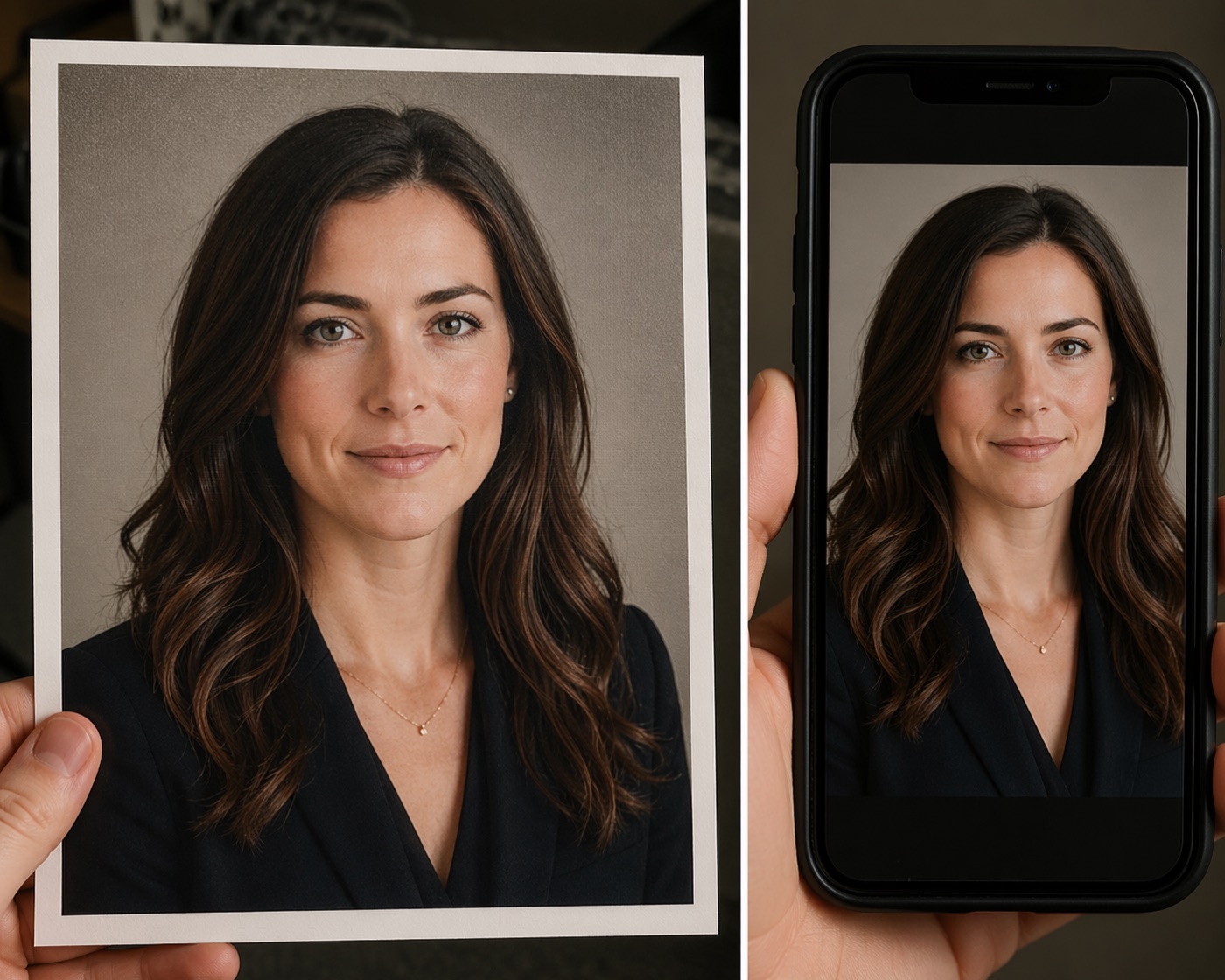
Your headshot is often the first impression you make on a casting director, a client, or a new connection scrolling through LinkedIn. So the format matters.
Should you invest in glossy 8x10 prints, stick with high-resolution digital files, or keep both in your toolkit? The answer has shifted a lot over the past decade, and if you get it wrong, you have unfortunately wasted money or missed opportunities.
Here’s a clear breakdown of printed vs. digital headshots, when each one wins, and how you can build a smart strategy around both.
What Are Printed Headshots?
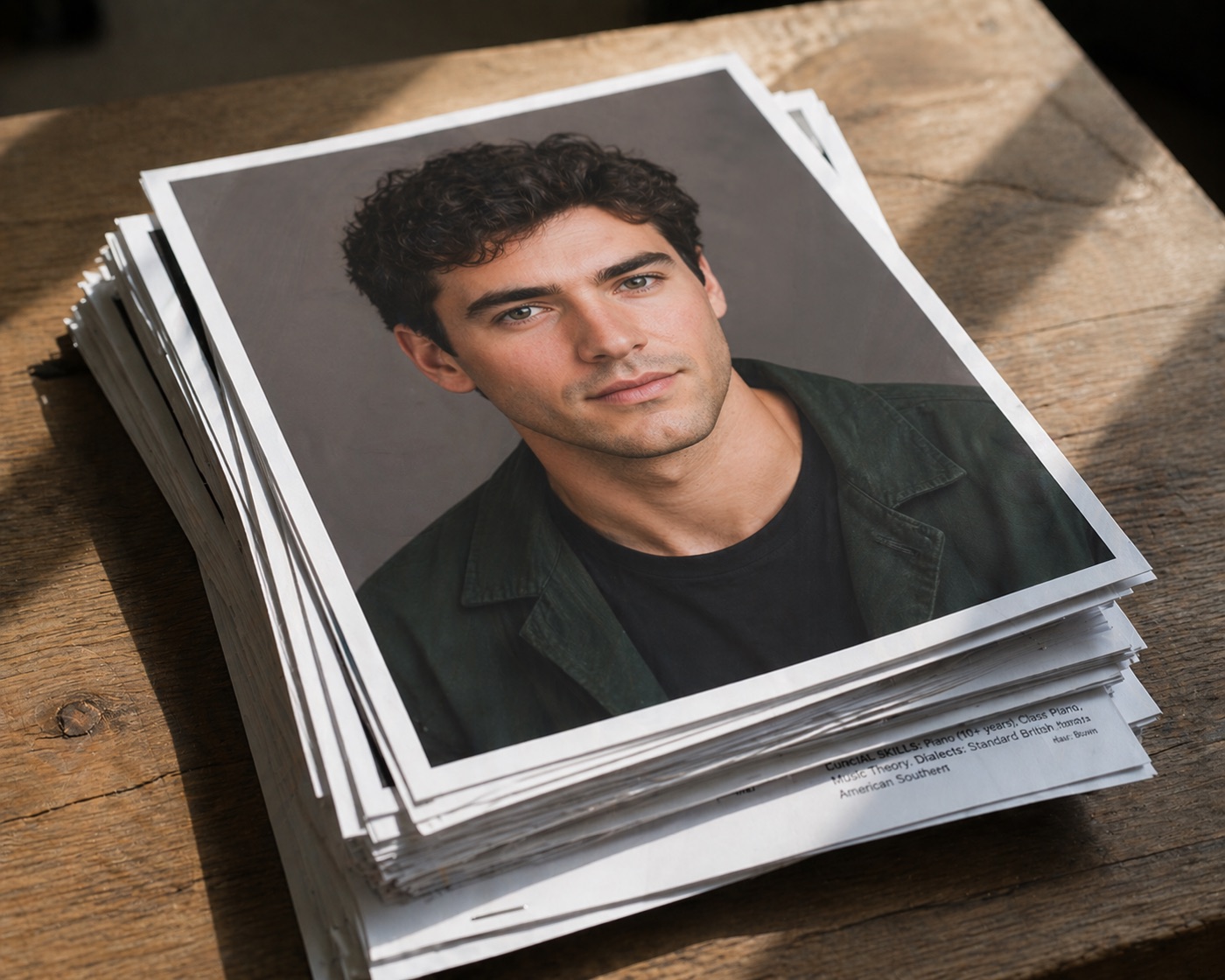
Printed headshots are physical photographs, usually 8x10 inches, printed on photo paper with your name across the bottom and your resume stapled to the back. For decades, they were the default calling card for actors, models, and performers walking into auditions.
Key Benefits
Printed headshots are useful in different ways. Specifically, they are:
- Tangible and memorable in a room full of digital clutter
- Industry-standard for in-person auditions, open calls, and agent meetings
- Easy to pass around a casting table without tech hiccups
- Professional presentations that signal you take the craft seriously
Limitations
However, you also have to keep in mind that:
- Printing costs add up fast, especially for bulk orders
- Updates require reprinting the entire batch
- Bulky to carry and easy to damage in transit
- Not usable for online submissions, which now dominate the industry
What Are Digital Headshots?
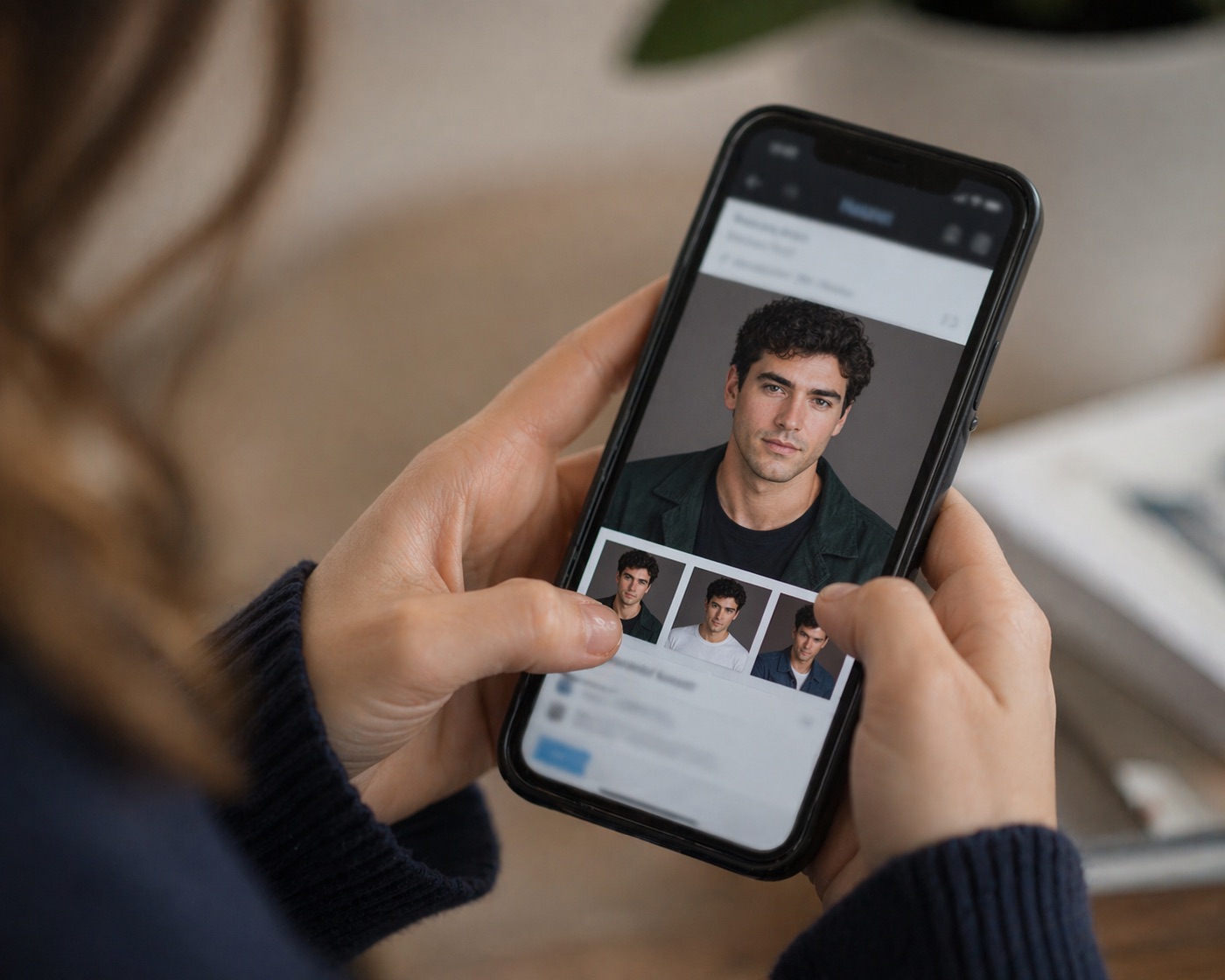
Digital headshots are high-resolution image files (JPEG, PNG, or TIFF) you can email, upload, or share across platforms. They’re the currency of modern casting and professional networking.
Common Uses
You probably come across digital headshots on a daily basis on:
- Online casting platforms
- LinkedIn, personal websites, and agency profiles
- Self-tape submissions and virtual auditions
- Email attachments for quick networking
Key Benefits
Digital headshots are insanely practical. The key benefits are:
- Instant delivery anywhere in the world
- Zero reprint costs when you need to update
- Multiple resolutions and crops from one shoot
- Easy to track versions across platforms
Limitations
However, you also have to keep the downsides in mind:
- Quality depends on the screen viewing it
- Files can be compressed or degraded when uploaded
- No physical presence in an in-person meeting
- Requires organized file management to avoid sending outdated versions
Printed vs. Digital Headshots: Key Differences
| Feature | Printed Headshots | Digital Headshots |
|---|---|---|
| Format | Physical 8x10 photo | High-res image file |
| Cost per use | $1–$3 per print | Near zero after shoot |
| Update speed | Slow (reprint required) | Instant |
| Best for | In-person auditions | Online submissions |
| Portability | Bulky | Lives on your phone |
| Industry trend | Declining | Dominant |
| Shelf life | Until you reprint | Unlimited copies |
Do Casting Directors Prefer Printed or Digital?
Most casting directors today work primarily with digital submissions. Platforms like Casting Networks and Breakdown Services have made online review the standard, and many offices have gone fully paperless since 2020.
That said, preferences vary by region and production type. Theater auditions, commercial open calls, and union events in cities like New York and LA still often ask for prints in hand.
When in doubt, always make sure to ask your agent or check the breakdown notice.
When You Still Need Printed Headshots
Don’t retire the print shop just yet. You’ll still want physical copies for:
- Open calls and cattle calls, where monitors run down a line of actors
- Theater auditions, particularly regional and Broadway-adjacent
- Agent and manager meetings, leaving a print behind keeps you top of mind
- Industry mixers and networking events where trading prints beats fumbling with phone screens
- Union workshops and showcases with traditional sign-in procedures
A stack of 20–50 prints handles most working actors’ needs for a year.
When Digital Headshots Are Enough
For many professionals, digital-only works perfectly. Go digital if you’re:
- Submitting primarily through online casting platforms
- Building a LinkedIn, corporate, or executive presence
- Auditioning via self-tape from home
- A content creator, voice actor, or remote professional
- Just starting out and watching your budget
Corporate headshots, real estate agent photos, and author bios almost never need a printed version. If your work lives online, your headshot can too.
Speed and convenience matter just as much as quality, and you don’t always need a full production shoot to update your photo. That’s where Studio Pod fits in. It’s a fully automated, professional-grade studio that lets you take your own headshots without a photographer. You walk in, choose your lighting, shoot at your own pace, and receive your images almost instantly.
Cost Comparison: Printed vs. Digital
The photography session itself costs the same either way, typically $300 to $800 for a professional shoot. The difference shows up afterward.
Printed headshots: Expect $1.50–$3 per 8x10 print from a reproduction service like Reproductions or ABC Pictures. A batch of 50 runs $75–$150, plus shipping. Reprints every time you update.
Digital headshots: Usually included in your session fee. A few retouched files, delivered once, reused forever. No recurring cost.
Over a two-year period, a working actor might spend $300+ on reprints versus $0 on digital.
Best Strategy: Use Both
So what should you actually do? In practice, the smartest move is a hybrid approach. Book one quality shoot, get your retouched digital files, then order a modest print run, 25 to 50 copies, for in-person use. Keep digitals uploaded to every casting platform you use, and carry a small stack of prints in your audition bag.
Update your headshots every 18–24 months, or sooner if your look changes. Whether you’re an actor chasing your next role or a professional building your brand, treating your headshot as both a digital asset and a physical one keeps you ready for any room you walk into.
Final Thoughts
Digital and printed headshots serve different purposes, and the strongest personal brands are ready for both. Keep your digital files updated, have a small stack of prints on hand, and you won’t get caught off guard by either kind of opportunity.
If your current headshots aren’t pulling their weight, Studio Pod makes it easy to get both formats right in a single session, so you walk away ready for whatever comes next. Book your session now!


