

One of the most common questions we hear at Studio Pod is: “Is a headshot and a portrait the same thing?”
Well, a headshot is technically a type of portrait, but the two serve different purposes in professional photography. Let me give you a small example: a headshot keeps things clean and professional. A professional portrait gives you more space to show personality and tell a bigger story.
In this blog, we’ll dive deeper into what is the difference between a headshot and a portrait so you know which one you need.
Quick Comparison: Headshot vs. Portrait
Let’s go over the basic differences between the two:
| Feature | Headshot | Portrait |
|---|---|---|
| Main Goal | Present a clear, professional identity | Show personality, story, or brand depth |
| Framing | Tight crop, usually head and shoulders | Mid-length or full body, more visual space |
| Background | Clean, neutral, or softly blurred | Styled setting or real environment |
| Lighting | Soft and even to flatter the face | Can be dramatic, directional, or creative |
| Best For | LinkedIn, company bio, press features, speaker profiles | Website banners, brand campaigns, editorials |
| Overall Feel | Polished, confident, approachable | Expressive, layered, visually engaging |
| What It Says | “This is me.” | “This is what I do and what I am about.” |
What Is a Headshot?
Make it stand out
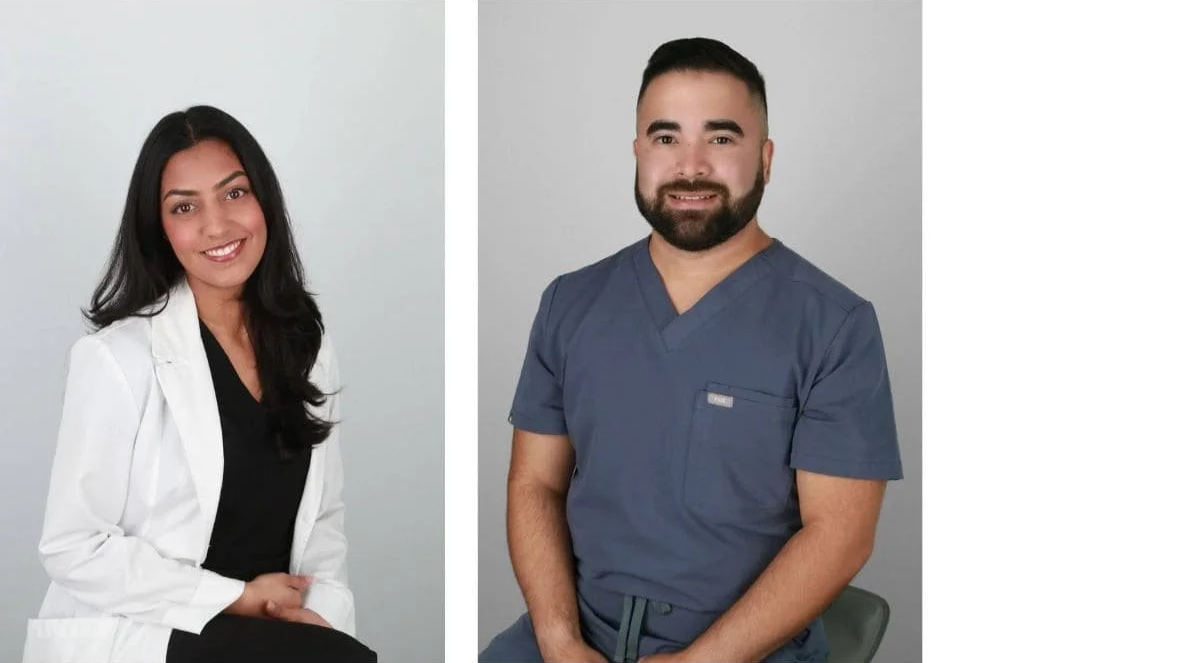
A headshot is a close-up photo of your face, from the shoulders up, in a front profile, looking straight at the camera. It carries a very simple purpose: to recognize you and understand who you are professionally.
Where Headshots Are Used
You guessed it. Headshots are used in professional settings where people need to see what you look like clearly. Think LinkedIn, company websites, speaker bios, press articles, and casting profiles.
In these photos, you should look professional, trustworthy, and friendly with a warm smile. The lighting is soft, so your face looks clear. The background is simple, so nothing distracts from you.
Why Crop Matters in a Headshot
We crop headshots tightly on purpose, and that’s for a simple reason: they need to look good even when they appear small. Think of someone seeing your photo on a phone, a website, or a conference program; your face should still be easy to recognize.
That’s why we also have to use the right camera lenses to keep your features looking natural and not stretched or distorted.
What Is a Portrait?

A portrait gives you more room to show who you are. Unlike a headshot, it is not a close photo of your face. It can show more of your body (mid-length or full-length) and include your workspace, the tools you use, or even other people. The background and the setting become part of the story it carries.
Where Portraits Are Used
Portraits are often used for personal branding sessions, website homepages, magazine features, and creative businesses.
In our experience, they work especially well for entrepreneurs, artists, and founders because they can show their personality and the world in which they work in. Picture a designer in their studio, a chef in their kitchen, a consultant in their office.
7 Key Differences Between a Headshot and a Portrait
A headshot and a portrait are both professional photographs, but they are taken with different goals in mind. Let’s understand the key differences.
1. Purpose
The main purpose of a headshot is to show who you are in a professional setting. It gives people a clear and quick impression of you.
To put it simply, a headshot introduces you, while a portrait shares more of your story.
2. Framing & Crop
Headshots are tightly cropped, usually from the shoulders up, so that the focus stays on your face.
Portraits can be mid-length, full body, or even wider shots that include your surroundings. The wider the frame, the more context you give the viewer.
3. Background
Headshots usually have simple backgrounds, like solid colors, soft textures, or a gentle blur to keep the attention on you.
Portraits tend to feature real environments, like offices, studios, or outdoor spaces. In this case, the background is part of the message.
4. Lighting
In a headshot, lighting is soft and even. This is done to flatter your features and avoid harsh shadows.
Portrait lighting can be more creative. It might be dramatic, directional, or high contrast. It all depends on the mood you want to create.
5. Mood & Expression
Headshots usually aim for a friendly, confident expression with direct eye contact.
With a portrait, there is more freedom to explore different emotions. You might look away from the camera, show a serious expression, or be photographed in action with a head side profile.
6. Where They Work Best
Headshots work extremely well in small spaces, like LinkedIn thumbnails, speaker programs, and company directories, because they stay clear and recognizable even at a small size.
Portraits shine in larger formats like website banners, magazine features, and full-screen brand images. They need space to be fully appreciated.
7. Business Impact
A great headshot helps people trust you. It makes you look professional, confident, and easy to approach.
A strong portrait does something different. It helps you stand out and shows more of your personality and brand.
Both are useful. They just serve different purposes.
When Should You Choose a Headshot?
Do you need a clean, professional photo that clearly represents you? Maybe you want to update your LinkedIn profile, add a photo to your company’s team page, or submit a speaker? Well, a headshot will do the trick for you. It will help you look polished, trustworthy, and professional without extra distractions.
When Should You Choose a Portrait?
If you want something more than just a simple professional photo, choose a face portrait. Perhaps you’re building a personal brand or updating your website, and need photos that reflect your work, space, and personality.
If you want more than just a simple professional photo, a portrait is a great choice. Maybe you are building a personal brand or updating your website and need images that reflect your work, your space, and your personality. A portrait lets people understand who you are and what you do with no guessing.
Can a Photo Be Both?
Yes, it can. In fact, we often do that at our studio.
Today, the line between a headshot and a portrait is not always strict, and modern branding sessions combine elements of both. This way, you have photos that can work for different purposes without the need for multiple photo shoots.
For example, with a modern headshot, you might have a professional, face-focused photo with a soft hint of your workspace in the background. Or you might have a slightly wider crop with an edgy headshot that still works perfectly for LinkedIn but also feels more personal.
Final Thoughts
Need something clean and professional for business? Go with a headshot.
You want to show more personality and story? A portrait is the better fit.
At Studio Pod, we shoot professional headshots every day, and we also see when a portrait is the better choice. Once you know where you will be using them, the decision becomes easy.


