

Your phone takes stunning photos. Lake sunsets, family gatherings, summer weddings. So it's natural to think, "Why can't I just use a good selfie for my headshot?"
Here's the short answer: you can. But you probably shouldn't, not if you want people to take you seriously.
A professional headshot is often the first impression you make on a potential client, a hiring manager, or a business contact before a single word is spoken. And the difference between a phone snapshot and a professional image is something most people feel instantly.
Let’s go over why your phone camera isn't enough for a professional headshot, what that difference actually is, where it shows up, and when, honestly, a phone photo might be fine.
Phone Cameras Are Good, Just Not for This
Let's be fair: modern smartphone cameras are genuinely impressive pieces of technology. The iPhone 16 Pro and Google Pixel 9 Pro can shoot in RAW format, handle low light beautifully, and produce images sharp enough to print large. For social media, travel photography, or documenting a property walkthrough, they're more than sufficient.
But a professional headshot has a very specific job to do. It needs to communicate credibility, approachability, and competence, all at once, in a single frame. That's a tall order, and it requires more than a capable sensor.
Professional portrait photography depends on a combination of controlled lighting, lens characteristics, camera settings, and post-processing decisions that smartphone cameras simply aren't built to replicate. The gap isn't really about megapixels. It's about the intent behind each piece of equipment and how everything works together to put your best face, literally, forward.
The Real Problem: Perception
Most people assume the issue with phone headshots is technical quality. Blur, grain, bad lighting. And yes, those things matter. But the deeper problem is perception, what a phone photo communicates about you before the viewer even processes what they're looking at.
It Looks Casual (Even When You Try)
There's a particular quality to phone photos that trained eyes, and even untrained ones, pick up on quickly. The slightly wide focal length that distorts facial features at close range. The flat, digital bokeh that looks almost right but not quite. The frame composition that feels a little off because you're holding the camera yourself or propping it against something.
Even when you dress up, find good natural light, and use portrait mode, there's still something that reads as casual. It's not an insult, it's just what that format signals. And in professional contexts, casual isn't the vibe you're going for.
It Lacks Depth and Presence
Professional portrait lenses, typically in the 85mm to 135mm range, do something that phone cameras physically can't replicate: they compress perspective in a way that's flattering and gives the subject a sense of weight and presence in the frame. Your face looks more like your face. The background falls away naturally. There's a three-dimensionality that draws the eye.
Smartphone lenses are wide by necessity (they need to fit inside a thin device), which means they slightly exaggerate facial features, a broader nose, a slightly flattened face. Add in the artificial bokeh that portrait mode generates, and you get something that mimics depth without actually having it. Viewers may not know why it looks "off," but they feel it.
It Doesn't Signal Investment
This one might be the most important point of all. When someone sees a phone photo used as a professional headshot, the subconscious read is: this person didn't think it was worth investing in this.
That's not a judgment about the photo's quality. It's a judgment about priorities. In any industry where trust, professionalism, and high-stakes decisions are involved, perception of investment matters enormously.
If you're asking someone to trust you with a significant decision, your headshot is one of the first signals they use to assess whether you take your work seriously.
What Professional Headshots Do Differently
A professional photographer isn't just someone with better gear. They bring a complete system to the shoot.
Lighting control is the biggest differentiator. Studio lighting or professionally directed natural light eliminates the unflattering shadows that phone cameras try to compensate for algorithmically. Real light shaping, using softboxes, reflectors, or directional daylight, gives your face dimension and warmth that no AI processing can fully fake.
Lens selection matters more than most people realize. An 85mm or 105mm prime lens renders faces with natural, flattering proportions. The background compression is real, not simulated. The separation between subject and background is optical, not algorithmic.
Direction. A good portrait photographer tells you where to put your chin, how to angle your shoulders, and when to relax your jaw. Most people don't know what they look like at their best until someone shows them. That guidance alone can be worth the entire session fee.
Post-processing at a professional level means retouching that's invisible, not the over-smoothed, plastic look of heavy filters, but careful color grading, skin tone correction, and subtle refinements that make you look like yourself on a very good day.
The result is an image that doesn't just look good. It looks like you, at your most confident and composed.
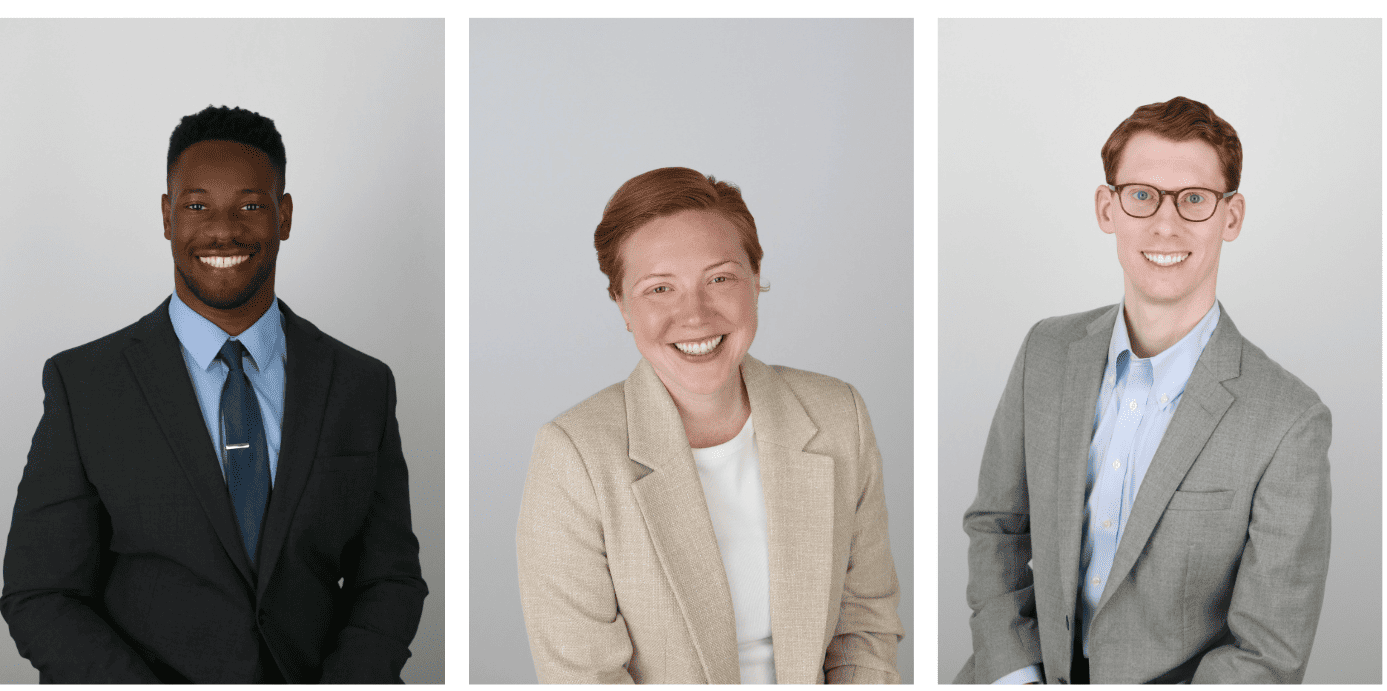
Where Phone Photos Cost You Opportunities
The costs aren't always obvious, which is part of what makes this tricky. You don't get an email saying, "We went with someone else because your headshot looked amateur." But the impact is real.
LinkedIn profile views and connection requests.Research from LinkedIn itself has shown that profiles with professional photos receive significantly more profile views and connection requests than those with informal or low-quality images. Your photo is often what gets someone to click through, or not.
Client trust before a first meeting. Buyers and sellers in high-value markets research their agents thoroughly before reaching out. If your headshot looks like it was taken at a backyard barbecue, some potential clients will move on to someone whose profile feels more polished, without ever giving you a chance to make your case.
Speaking, media, and press opportunities. If you're ever asked to contribute to an article, speak at an event, or be featured in a publication, they'll want a headshot. A phone photo can disqualify you from that kind of visibility before the conversation starts.
Your own confidence. This one's underrated. When you have a headshot you're genuinely proud of, you use it everywhere. You're more likely to update your profiles, add it to proposals, and put yourself out there. A photo you're slightly embarrassed by has the opposite effect.
When a Phone Photo Might Be Okay
Fairness requires acknowledging this: there are situations where a phone photo is perfectly acceptable, and sometimes even preferable.
If you need a quick, casual photo for a community Facebook group, a local neighborhood app, or an informal introduction, a clean, well-lit phone shot works fine. The stakes are low, and authenticity often matters more than polish in those contexts.
If you're in the early stages of building a business or brand and a professional session genuinely isn't in the budget right now, a well-executed phone photo, good lighting, neutral background, eye level, not a selfie, is better than nothing. The key is "well-executed." A blurry selfie in bad lighting is worse than having no photo at all.
Some industries and platforms also lean more casual. A creative freelancer on a community platform might actually benefit from a less formal image. Context matters.
But if you're positioning yourself as a professional in a competitive, high-trust industry? The phone photo is a placeholder, not a strategy. Get the real thing done once, and it'll work for you for years.
The Bottom Line
Your phone camera is a tool, a great one. But now you know why your phone camera isn't enough for a professional headshot.
A professional headshot is an investment in how you're perceived, and perception shapes opportunity in ways that are hard to measure but impossible to ignore.
The people who are most serious about their work tend to invest in the details others overlook. A great headshot is one of those details. It doesn't take long to get done, it doesn't need to be redone often, and it pays off every time someone looks you up.
Book the session. Get the photos. Use them everywhere. Because whether you realize it or not, people are already forming opinions based on your image.

.jpg)
.jpg)