

Your headshot is often the first impression you make online, before someone reads your website, checks your LinkedIn, or reaches out. And the rules for what makes that impression a good one have shifted significantly heading into 2026.
The stiff, over-lit, "I-clearly-just-came-from-the-DMV" corporate photo is losing ground fast. What's replacing it is more interesting, more human, and honestly? Way more effective. Understanding headshot trends in 2026 will help you make smarter decisions and walk away with photos that actually do their job.
Here's a full breakdown of what's trending, what's fading out, and how to figure out the right look for your brand this year.
Why Headshot Trends in 2026 Matter More Than Ever
In 2026, your headshot is a business asset. It appears on your LinkedIn profile, company page, and speaker bios. It’s often the first thing people see.
And people are paying attention. LinkedIn reports that profiles with professional photos get up to 21 times more views and 9 times more connection requests. As visual content continues to dominate, that gap keeps growing.
The type of headshot also matters. Outdated photos signal neglect. Over-edited, stiff images can feel unapproachable or fake. A current, natural headshot builds trust and helps turn viewers into real opportunities.
What looks “professional” has changed. Remote work and personal branding have shifted expectations. A photo that worked a few years ago can now feel outdated. Staying current helps your image match how people expect professionals to show up today.

The Top Headshot Trends for 2026
1. Natural Expressions & Relaxed Posing
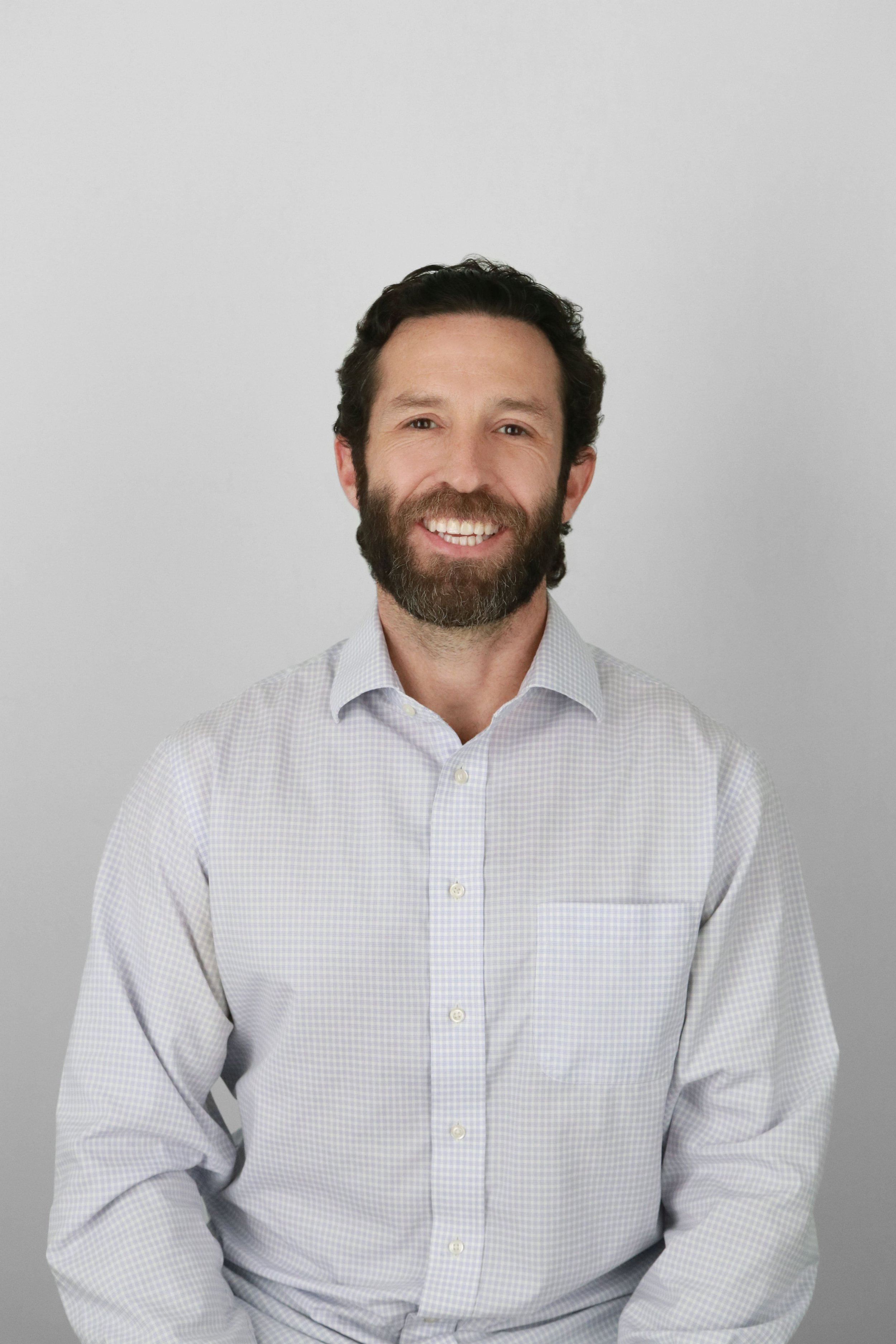
The stiff, shoulders-back, neutral-face headshot is on its way out. In 2026, photographers are working harder to capture subjects in a more natural state, mid-laugh, mid-conversation, slightly turned, visibly at ease. The goal is a photo that looks like someone caught you at your best, not one that looks like you posed for a school picture.
Relaxed posing also extends to body language. Slight leans, crossed arms (done right, this reads as confident rather than closed-off), and natural hand placement are all showing up more frequently in professional images. The overall effect is approachability without sacrificing authority.
2. Minimal Retouching (Goodbye Over-Editing)
Heavy skin smoothing, eye brightening, jaw slimming, these editing techniques were standard practice for years. In 2026, they're starting to feel as dated as HDR photography or Instagram's old Valencia filter.
Minimal retouching is now a deliberate creative choice. Clients are actively requesting that photographers leave in the laugh lines, the natural skin texture, and the small details that make a face look like a real person's face.
3. Environmental & Story-Driven Headshots
The blank white or grey backdrop is no longer the default. More professionals are opting for environmental portraits, photos taken in spaces that reflect their actual work or life. An architect photographed in their studio. A chef near their kitchen. A real estate professional framed against a skyline or a property they love.
These story-driven headshots add immediate context to who you are and what you do. They communicate personality and specificity in a way a clean studio shot simply can't. And because they're more visually interesting, they tend to be more memorable.
4. Dark, Neutral & Brand-Aligned Backgrounds
When studio shots are used, the color palette has shifted. Bright white and cool grey are giving way to deeper, moodier tones, charcoal, slate, warm black, and deep navy. These backgrounds give headshots a more distinctive look and often photograph better against a wide range of complexions.
Beyond aesthetics, brand-aligned backgrounds are a growing priority. Companies are now thinking about headshots as part of a cohesive visual identity, choosing background colors that match or complement their brand palette. This makes sense: if all your team photos land on the same About page, they should look like they belong together.
5. Multi-Purpose Branding Sessions
The one-photo-and-done headshot session is becoming obsolete. In 2026, most professionals who invest in photography are booking what's known as a personal branding session, a longer shoot that produces a variety of images for different platforms and use cases.
This approach is more cost-effective per image and gives you a usable content library instead of a single photo.
6. Personal Branding Over "Corporate Look"
Perhaps the most significant stylistic shift: the rise of the personal brand headshot over the traditional corporate portrait. Even professionals working within large organizations are opting for imagery that reflects their individual personality, not just their job title.
This shows up in wardrobe choices, lighting, and overall energy, with some professionals leaning toward edgy modern professional headshots that feel more personal and less tied to the traditional corporate look. The question being asked isn't "do I look professional?" but rather "does this look like me, and does it reflect the kind of professional I am?"
AI Headshots vs Real Photography in 2026
With AI-generated images everywhere, real photos stand out more than ever. Their limitations have become harder to ignore, and more people in professional settings have become surprisingly good at spotting them.
They have a few telltale characteristics: an uncanny smoothness to the skin, slightly off proportions in background elements, hands and teeth that don't quite look right, and a certain sameness in expression that's hard to pin down but easy to feel.
There's also a trust dimension. If a client or partner figures out your headshot was AI-generated, the reaction is rarely neutral. It raises questions about what else might be curated or inauthentic.
That said, AI tools have their place. For quick internal use, placeholder images, or low-stakes contexts where budget is a real constraint, they're a practical option. But for anyone whose image is a meaningful part of their professional brand, founders, executives, client-facing professionals, real photography remains the clear choice in 2026.
What Makes a "Good" Headshot in 2026 (Checklist)
Not sure if your current headshot is holding up? Here's a quick checklist to evaluate it against current standards:
The basics:
The photo was taken within the last 2–3 years
It looks like you do right now (same hair, similar age, recognizable)
The resolution is high enough for both print and digital use
Your face is well-lit and clearly visible, no harsh shadows across the eyes
The feel:
Your expression reads as natural and approachable, not forced
Your body language conveys confidence without stiffness
The photo feels like you, not a generic stock photo version of a professional
The context:
The background is clean, intentional, or story-driven, not distracting or accidental
Your wardrobe aligns with how you'd actually show up with a client or at a speaking gig
The overall color palette fits your personal or company brand
The editing:
Retouching is minimal and natural-looking
Skin texture is preserved
No obvious digital manipulation of facial features
Platform fit:
You have at least one cropped version suitable for LinkedIn and profile photos
You have at least one wider shot suitable for website headers or press use
All your active platform photos are consistent with each other
If you checked off most of these, you're in good shape. If a few made you wince, it might be time to book a session.
How to Choose the Right Headshot Style for Your Brand
Not every trend applies equally to every professional. The right headshot style depends on who you are, who your audience is, and what you want them to feel when they first see your face.
If you're a founder or executive: Think beyond the traditional corporate portrait. Environmental shots, editorial lighting, and images that show some personality will serve you better than a standard studio photo.
If you're building a personal brand: Consistency across platforms is your priority. Book a branding session that gives you variety, close-ups, medium shots, and different expressions, so you're not using the same image everywhere. Your headshot should match the energy of your content and your overall brand identity.
If you're a corporate team or marketing department: Consistent style, consistent lighting, and a background that aligns with your visual identity will make your About page, pitch decks, and press materials look cohesive and intentional. Brief your photographer on your brand colors and guidelines before the shoot
If you're a client-facing professional in a trust-based industry: Warm lighting, a genuine expression, and an approachable environment tend to perform best here. A real estate professional photographed against a relevant property or architectural backdrop, for example, immediately communicates expertise and local presence.
When Should You Update Your Headshot?
A good working rule in 2026: update your headshot every two to three years, or whenever there's a significant change in your appearance or professional identity. That includes:
A notable change in your hair (length, color, or style)
Significant changes to your overall appearance
A major career transition or rebrand
Moving into a higher-visibility role (speaking engagements, media features, executive leadership)
Launching a new business or repositioning your personal brand
Final Thoughts
Headshot trends in 2026 are really about how people see you.
With so many AI-generated images out there, people can tell when something feels off. And when a photo feels real, it stands out right away.
The best headshots are the ones where you look like yourself on a good day, relaxed, confident, and comfortable.
At the Studio Pod, we help you get headshots that actually feel like you and match how you want to show up, so you feel comfortable from the start.


